
Balancing Electrolytes and Gut Health on a Low-Carb Plan
When embarking on a keto diet, many focus on macronutrient ratios primarily. However, the balance of electrolytes plays a crucial role in gut health and overall wellness. The human body relies on sodium, potassium, calcium, and magnesium to maintain fluid balance and neurological functions. A deficiency in these essential minerals can lead to symptoms like fatigue, cramps, and gastrointestinal disturbances. Consuming adequate electrolytes is critical for those on a low-carb plan. When carbs decrease significantly, the body’s insulin levels drop, promoting the excretion of sodium and fluid loss. Increasing your intake of low-carb, electrolyte-rich foods can help alleviate these issues. Foods such as leafy greens, nuts, and avocados are excellent sources. Additionally, supplementation may be necessary to meet daily needs, especially during the adaptation phase. Monitoring your body’s response during this transition can ensure a harmonious balance, allowing you to maintain your digestive health alongside your ketogenic journey. Proper hydration and mineral intake not only improve gut health but also enhance metabolic efficiency and physical endurance, essential for thriving on a low-carb diet.
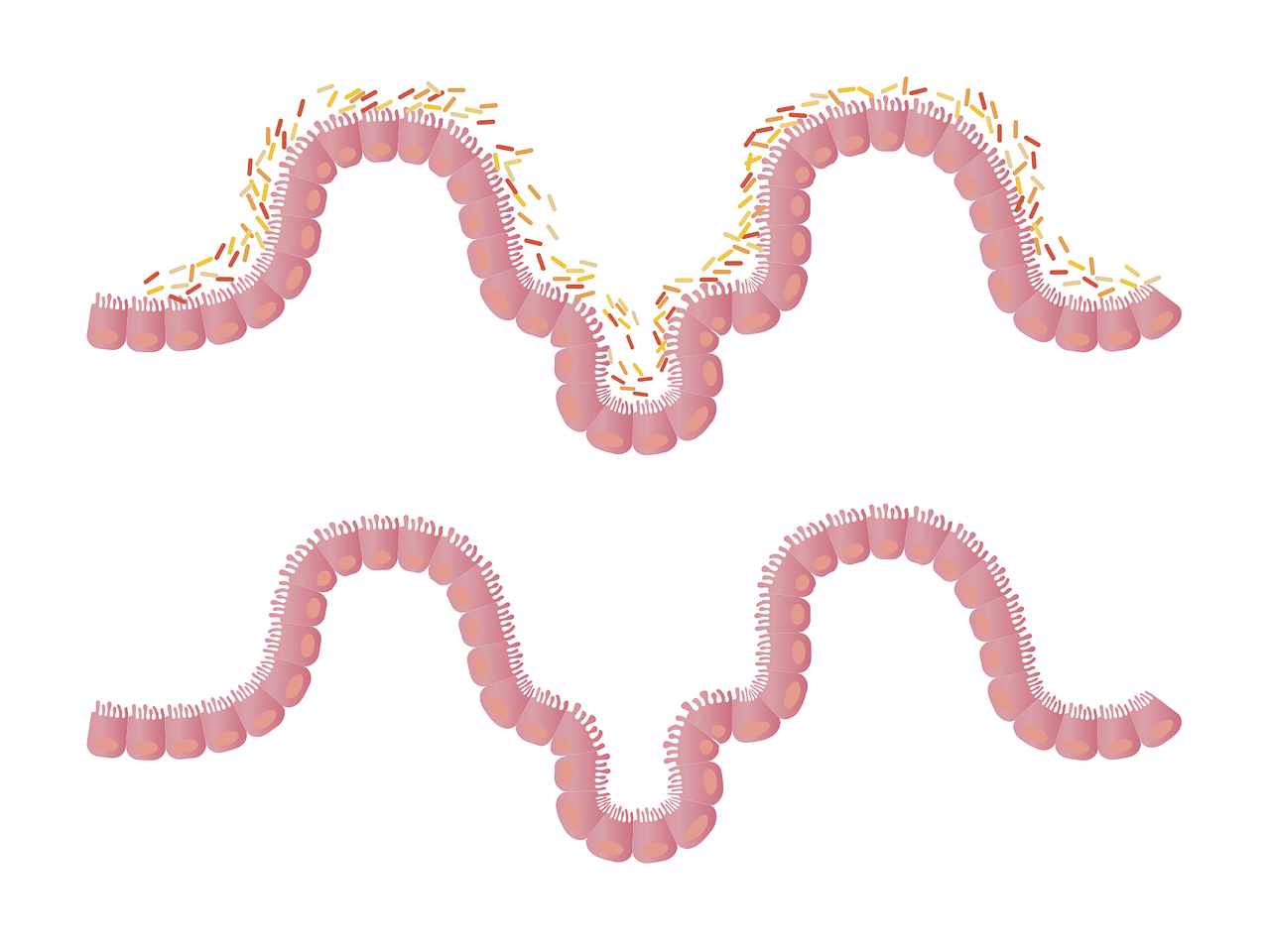
Understanding the relationship between gut health and electrolytes is essential for any ketogenic diet adherent. The gut microbiome plays a vital role in digestion and overall health, influencing nutrient absorption and mineral balance. Disruption in gut flora can exacerbate electrolyte imbalances, leading to issues such as bloating, constipation, or diarrhea. A well-balanced diet rich in fiber from non-starchy vegetables helps promote a healthy gut microbiome. Incorporating fermented foods can also enhance gut health by providing probiotics, which can help diversify intestinal flora. When on a low-carb diet, it’s crucial to ensure these fiber sources are included. Striking the right balance of fibers aids in maintaining regular bowel movements and gut comfort. Foods like sauerkraut, kimchi, and even yogurt can be great additions. This not only provides beneficial bacteria but also aids in digestibility and electrolyte absorption. Furthermore, including adequate hydration alongside electrolyte intake can support kidney function, ensuring excess minerals are effectively excreted. Therefore, managing your gut health while balancing electrolytes is key to thriving on a ketogenic diet, ensuring that nutritional goals are achieved safely and effectively.
To further support gut health, consider utilizing specific dietary strategies within your keto plan. Focus on whole foods rather than processed options, as the latter can contain additives that negatively impact gut bacteria. Emphasizing natural foods, particularly low-carb vegetables and high-quality protein sources, can enhance nutrient density. Foods high in antioxidants may reduce inflammation and support gut integrity. Incorporating omega-3 fatty acids from fish or flaxseeds can also play a role in enhancing gut health. Furthermore, hydration is another pivotal factor; drinking sufficient water assists in digestion and nutrient transport within the body. A well-hydrated individual experiences better gut motility, which can reduce constipation risk. Electrolytes and hydration work in tandem, especially within a ketogenic framework where water weight loss is common. Electrolyte management, therefore, becomes paramount for maintaining energy levels and overall health. Monitoring changes in your body during the low-carb transition, such as energy dips or digestive discomfort, can provide vital insights. Adjusting your intake based on these reactions can lead to a more balanced experience on your keto journey.
Maintaining Electrolyte Balance
Electrolyte balance can significantly affect energy levels and performance during a low-carb lifestyle. Creating a well-rounded meal plan that considers electrolytes is imperative. Including sources high in sodium, magnesium, and potassium can help mitigate symptoms related to the keto flu, a common occurrence for those new to this dietary approach. Foods such as olives, pickles, and bone broth are delicious ways to enhance sodium intake. Magnesium-rich foods include spinach, pumpkin seeds, and certain dairy products. These minerals play an essential role in energy production and muscle contraction, crucial for anyone engaging in physical activity. Additionally, maintaining potassium levels can prevent muscle cramps and support cardiovascular health as well. Opting for potassium-rich foods like avocados and mushrooms can help meet daily recommendations. Tracking your nutrient intake, especially during the initial stages of a keto diet, provides awareness of potential deficiencies. There are numerous tools and apps available to help track macronutrient and electrolyte intake effectively. Consulting with a healthcare provider before making significant dietary changes is always wise to ensure that you address your individual health needs adequately.
Incorporating supplementation may also assist in achieving and maintaining electrolyte balance. Many find that taking electrolyte powders is a quick and effective solution, especially during workouts or periods of heightened physical exertion. These supplements are designed to deliver essential minerals rapidly, ensuring you remain hydrated and energized. However, it is essential to choose high-quality supplements that do not contain unnecessary sugars or fillers. Look for those that align with a ketogenic lifestyle, providing the necessary electrolytes without adding carbs. In addition to hydration and electrolytes, consider including a focus on post-digestive health. This ensures that food is permeable and the gut remains healthy, aiding nutrient absorption. Engaging in a diet low in refined carbohydrates helps minimize inflammation in the gut. Furthermore, proper fermentation supports the balance of gut microbiota, enhancing overall health. Balancing electrolytes while ensuring gut health must be approached systematically. Everyone’s body responds differently, and they should listen to their own signals when adjusting dietary choices. Maintaining flexibility and awareness in your approach will help navigate this low-carb lifestyle successfully.
Final Thoughts on Keto and Gut Health
Ultimately, balancing electrolytes and gut health on a keto diet requires a multifaceted approach. It’s vital to prioritize hydration and include electrolyte-rich foods consistently. This aids in mitigating many side effects associated with starting a ketogenic lifestyle. Recognizing the strong link between gut health and electrolyte balance can facilitate better dietary choices. A healthy gut microbiome will enhance nutrient absorption, while balanced electrolytes ensure bodily functions operate efficiently. Furthermore, regular physical activity supports overall metabolism while promoting digestive health. Engaging in exercise can stimulate movement, promoting bowel regularity and helping prevent constipation. It is essential to adopt personalized strategies that fit your lifestyle and preferences. As you refine your diet and habits, keep track of how your body responds. This awareness will assist in tailoring the perfect low-carb dietary approach for you. Make adjustments where necessary to optimize both electrolyte levels and gut health. In doing so, you’ll cultivate an effective ketogenic lifestyle that enhances overall well-being and improves the quality of life.
Overall, embarking on a low-carb diet can yield numerous benefits, but it is crucial not to overlook the role of electrolytes and gut health. Establishing a comprehensive strategy that incorporates balanced nutrition, hydration, and an understanding of individual needs will lead to better health outcomes. Focus on incorporating a variety of low-carb foods while ensuring your body receives adequate minerals. Do not hesitate to seek guidance from healthcare professionals or nutrition experts when making changes to your diet. Engaging with the community can offer support, information, and a wealth of resources. Stay informed about the best practices, and always listen to your body’s needs. Maintaining a healthy relationship with food while pursuing a ketogenic lifestyle ensures long-term success. By addressing electrolyte balance and gut health, followers of low-carb diets can enjoy higher energy levels, improved digestion, and overall wellness. This holistic approach will facilitate achieving dietary goals while enhancing both physical and mental health, making the ketogenic journey rewarding and sustainable.