
Analyzing HIIT’s Impact on Blood Pressure and Heart Rate
High-Intensity Interval Training (HIIT) has emerged as a popular workout method among fitness enthusiasts. This training involves short bursts of intense exercise followed by periods of rest or lower-intensity activities. Unlike traditional steady-state cardio, HIIT can significantly enhance cardiovascular fitness levels in a shorter time frame. Recent studies suggest that incorporating HIIT into your routine may positively affect blood pressure and heart rate regulation. Participants often experience increased aerobic and anaerobic capacity along with metabolic adjustments. This adaptability contributes to improvements in overall health markers, including blood pressure levels. Reducing hypertension is a crucial goal for many, and HIIT offers an engaging solution to achieve that. Moreover, its efficiency allows individuals with busy schedules to fit in effective workouts. As people strive for better health management, understanding HIIT’s specific impacts becomes vital. Elevated heart rates during HIIT workouts stimulate various physiological responses. These adaptations can promote enhanced heart efficiency over time, leading to better health outcomes. Evaluating these effects offers insights into how HIIT can serve as a versatile fitness method for all age groups.
The health benefits associated with HIIT go beyond increased cardiovascular fitness. Beyond just enhancing aerobic capacity, this regimen can influence heart rate variability (HRV), an essential marker of overall heart health. A study revealed that participants practicing HIIT had significantly better HRV compared to traditional cardio participants. Improved HRV indicates a well-functioning autonomic nervous system, crucial for stress management and overall health. Moreover, HIIT can produce cardiovascular adaptations, including improvements in stroke volume and cardiac output, fostering healthier blood pressure levels. By consistently engaging in HIIT, individuals can witness these favorable changes over time. With each interval, there is a cardiovascular response encouraging blood vessels to adapt by becoming more flexible. Furthermore, HIIT can contribute to better weight management, often leading to lowered blood pressure levels. As individuals lose excess weight, their cardiovascular systems may improve, thereby positively influencing blood pressure levels. The combination of dynamic exercises also adds variety and enthusiasm to workouts, helping maintain adherence to fitness routines. Therefore, integrating HIIT into exercise regimens can offer a multifaceted approach to cardiovascular health.
How HIIT Compares with Traditional Cardio
Understanding how HIIT compares with traditional longer-duration exercises forms a crucial aspect of evaluating its benefits. Traditional cardio exercises, such as jogging or cycling, maintain moderate intensity over extended periods. In contrast, HIIT focuses on maximum effort during short bursts, followed by recovery periods. This fundamental difference can lead to improved health outcomes. Evidence shows that participants performing HIIT may reduce systolic and diastolic blood pressure more effectively than those engaged in moderate-intensity workouts. The significant impact on cardiovascular health attributes to the high exertion levels experienced during interval training. Moreover, HIIT’s time-efficient nature allows people to squeeze workouts into hectic lifestyles. Shorter session durations mean individuals can benefit from rigorous training without sacrificing time. Increased engagement during HIIT also promotes motivation, making it easier to stick with the exercise routine. Furthermore, the ideal implementation of HIIT significantly influences positive results. Proper recovery between intervals allows for maximum cardiovascular efficiency and effectiveness. In summary, this innovative approach benefits various individuals seeking cardiovascular improvement across varying fitness levels.
Moreover, the social aspects of engaging in HIIT can also enhance its effectiveness. Many individuals find themselves drawn to the camaraderie of group HIIT classes, offering an additional support system while exercising. Group settings can consequently amplify motivation during workouts, leading to better overall results. Participating in these dynamic, fast-paced sessions enables friends and family members to bond while pushing each other towards their fitness goals. Additionally, this social aspect can help reduce feelings of isolation often associated with individual exercise routines. HIIT’s adaptability allows trainers to create diverse workouts, ensuring participants continually engage and challenge themselves. A varied workout program targets different muscle groups, preventing exercise monotony and boosting motivation. Furthermore, enhancing cardiovascular fitness provides not only physical benefits but mental wellness as well. HIIT can unleash endorphins that foster positive mental health. Users often leave HIIT sessions feeling accomplished after pushing their limits through various intervals. Consequently, individuals often report increased feelings of happiness and achievement, leading to overall satisfaction with fitness journeys. As a result, HIIT’s holistic benefits extend beyond physical improvements, delivering vast psychological advantages.
Precautions and Considerations
When adopting a HIIT regimen, individuals must consider specific precautions. Although HIIT boasts numerous benefits, it is essential to acknowledge that not everyone may be suited for this type of training. Those with pre-existing cardiovascular conditions, such as hypertension, should consult with their healthcare providers before transitioning into high-intensity exercises. Gradually incorporating HIIT into regular workouts can benefit individuals new to this approach. Starting with lower-intensity intervals can help adjust and build cardiovascular endurance. Following a structured plan offers a safer transition into more demanding sessions. Additionally, individuals should be mindful of proper form, as risk of injury can raise during high-intensity bouts. Adequate warm-up and cool-down periods are vital in minimizing injury risk. As workouts peak during HIIT, engaging in proper stretching can also facilitate muscle recovery. Furthermore, adequate hydration during exercise is crucial, given the intensity of sessions. Participants are encouraged to listen to their bodies, taking breaks when needed. Monitoring heart rates during workouts can also prevent overexertion and promote safe exercise practices.
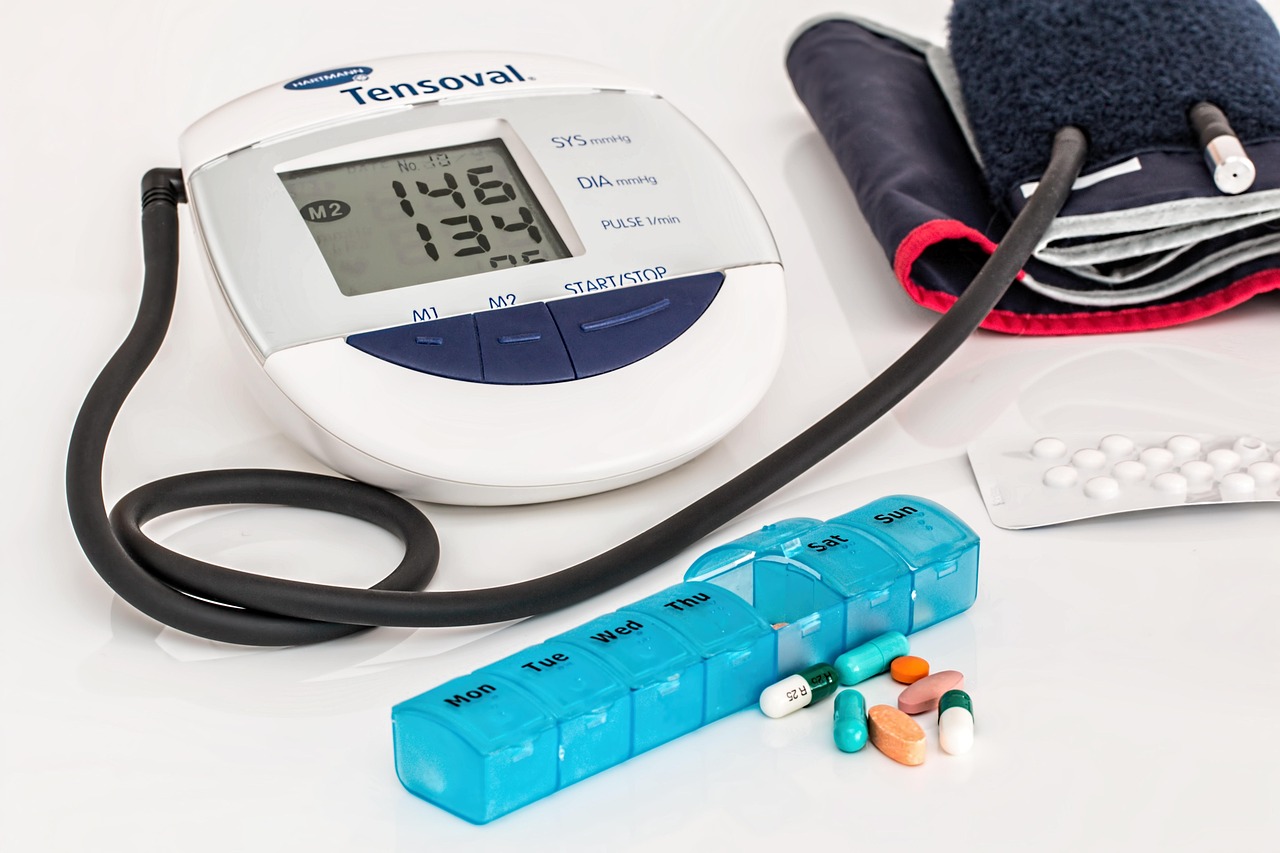
Ultimately, heart health is an essential consideration when engaging in physical activity, particularly with HIIT. Regular monitoring of blood pressure before, during, and after workouts can help track progress and personal safety. Maintaining documentation allows individuals to observe changes over time, facilitating better understanding of their health journey. Setting realistic goals, both short and long-term, can keep motivation levels high as individuals witness improvement over time. Combining HIIT with a comprehensive approach to cardiovascular health also fosters overall wellness. Proper nutrition and adequate rest are vital components of any fitness program. Fueling the body with nutrient-rich foods boosts energy and performance during workouts, while proper recovery allows the body to adapt and rebuild. Additionally, engaging in other forms of exercise outside HIIT can provide balanced workout regimens, ensuring varied muscle engagement. Striking a balance between intensity and recovery becomes essential to achieving optimal cardiovascular health. In summary, engaging in HIIT can positively influence blood pressure and heart rate, but responsible practices contribute to significant outcomes.
Conclusion: Embracing a Healthier Lifestyle
As our understanding of HIIT continues to evolve, it becomes evident that this training method offers compelling benefits for improving blood pressure and heart health. Consequently, individuals looking to incorporate HIIT into their routines can optimize results by understanding its unique effects. Committing to regular HIIT sessions, while considering personal fitness levels and increases gradually, fosters a sustainable path towards better cardiovascular health. Alongside appropriate precautions, understanding the bigger picture of overall wellness shapes long-term success in fitness endeavors. As individuals gain insight into their own bodies and health metrics, empowering choices lead to improved quality of life. With the flexibility and enjoyment that HIIT offers, more people are motivated to stay active. It is truly remarkable that such an effective strategy exists, allowing people to engage in fitness while improving their well-being effectively. Therefore, by combining interval workouts with the fundamental principles of health improvements, individuals around the world can embrace longer, healthier lives through elevated heart efficiency and regulated blood pressure. The benefits of HIIT serve as a powerful motivator for self-improvement and healthier living.
This comprehensive exploration of HIIT’s impact emphasizes its significance in today’s fitness landscape. The transformative potential of HIIT is marked by its ability to combine efficiency with engaging workouts, presenting an effective training regimen. Individuals of all fitness levels can potentially benefit from this regimen. As exercises evolve and adapt, embracing innovative methods leads to remarkable health outcomes. Researchers and health professionals continue exploring the boundaries of HIIT, ensuring that its benefits are accessible to broader populations. The ongoing evolution of fitness techniques can inspire healthier lifestyle choices, urging individuals towards proactive health management. As more people engage in HIIT sessions, the community surrounding this type of training expands. Social support and motivation become critical components in fostering commitment, allowing individuals to achieve their fitness goals collectively. Through consistent effort and dedication, many individuals experience noticeable changes in their health markers and cardiovascular capabilities. HIIT’s unmatched ability to promote fitness and well-being continually inspires broader audiences. Changes can result in better overall health, reflected in improved heart rates and blood pressures, thus supporting long-term health objectives. Adopting HIIT provides a pathway to revitalized health and a more vibrant lifestyle.