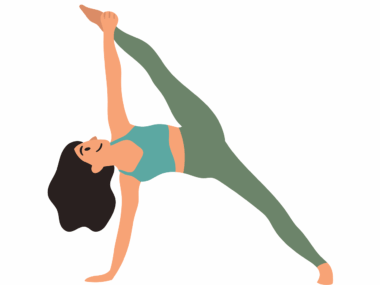
Dynamic Yoga: Energizing Body and Mind
Dynamic Yoga, often referred to as “flow” yoga, is a powerful practice that emphasizes movement, breath, and alignment. This yoga style is distinguished by its focus on sequencing poses to create a vigorous workout. Practitioners flow from one pose to another, which helps to build strength and stamina. The practice attracts both beginners and seasoned yogis due to its accessibility and dynamic qualities. It cultivates flexibility while challenging participants both physically and mentally. Flow yoga promotes cardiovascular health, as it can raise the heart rate compared to more static forms of yoga. Additionally, it encourages mindfulness through synchronization of breath with movement. This aspect of concentration can lead to a meditative state, often described as a ‘moving meditation’. Incorporating various poses such as downward dog, warrior poses, and mountain pose, Dynamic Yoga can be adapted to fit various skill levels. Moreover, the beauty of this practice lies in the diversity of movements, offering something unique for every participant. Over time, regular practitioners report higher energy levels, improved focus, and reduced stress overall.
Benefits of Dynamic Yoga
The benefits of Dynamic Yoga extend beyond merely strengthening the body. Firstly, it includes enhancing flexibility and coordination, as participants engage various muscle groups through dynamic flows. This can lead to improved posture, crucial for overall physical health in everyday life. Secondly, the cardiovascular benefits are significant. As the body heats up, heart rate increases, promoting better circulation and oxygen delivery throughout the body. This can lead to increased energy levels and metabolism improvement. Furthermore, effect on mental clarity is noteworthy. The rhythmic nature of Dynamic Yoga helps calm the racing mind, reducing anxiety and mental clutter. Practitioners often emerge from sessions feeling rejuvenated, centered, and more focused, which can positively affect productivity. Additionally, this practice can enhance body awareness; individuals become more in tune with their physiological responses, leading to healthier lifestyle choices outside of yoga. Lastly, Dynamic Yoga fosters community; whether in studios or online classes, practitioners cultivate a sense of belonging and support among peers. This collaborative aspect enhances motivation and commitment, making it a beneficial practice for many.
Key Poses in Dynamic Yoga
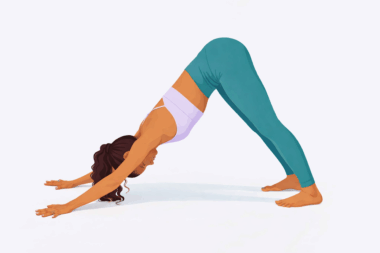
Several key poses form the foundation of Dynamic Yoga, contributing toward the flow and energy that defines this practice. Firstly, the Downward-Facing Dog pose (Adho Mukha Svanasana) is essential for warming up. It stretches the spine, hamstrings, and calves while invigorating the body. Secondly, the Warrior I (Virabhadrasana I) pose focuses on strength and stability. It opens the hips and chest while building lower body endurance, crucial for many activities. Warrior II (Virabhadrasana II) follows, further enhancing flexibility and stamina, emphasizing the extension of arms, gaze, and grounding. Subsequently, the Plank pose helps in constructing core strength, vital for stability in yoga and daily activities. Afterward, the Upward-Facing Dog (Urdhva Mukha Svanasana) enhances back strength while stretching the abdomen. Finally, culminating with the Child’s Pose offers a resting phase, facilitating recovery and reflection. In essence, these poses foster energy flow and mindfulness, all while maintaining fundamental alignment principles. Each of these poses plays an integral role in sustaining the dynamic essence of the yoga practice providing balance and deepened experience.
Creating a personal practice of Dynamic Yoga at home is achievable and rewarding. Start by carving out a specific space that promotes serenity, free from distractions. Gather essential items like a yoga mat, blocks, and straps to enhance your practice. Next, develop a routine that suits your daily schedule. It may involve setting aside a minimum of 30 minutes each day for practice. Begin warming up gently before transitioning into more intense flows. Utilize online resources or join virtual classes that demonstrate various flows tailored for different levels. Consistency is key; aim to practice at least three times a week to fully experience the physical and mental benefits. Listening to your body is crucial, so modify poses as needed. Gradually, you may integrate more challenging sequences as flexibility and strength increase. Additionally, incorporating breathing techniques such as Ujjayi breath can significantly enhance your practice by fostering concentration and energy flow. Keep a journal to reflect on your progress, noting any shifts in strength, flexibility, and mental clarity. Through this methodical approach, embarking on a rewarding Dynamic Yoga journey is attainable.
Dynamic Yoga is also highly adaptable, making it suitable for diverse age groups and fitness levels. Adjusting poses and sequences can accommodate beginners, allowing them to explore the practice without feeling overwhelmed. It fosters inclusivity; experienced yogis can intensify and deepen their practice by incorporating advanced sequences. Classes often cater to varied abilities, creating a cohesive community where all feel welcome to participate. Group settings inspire collaboration, promoting energy exchanges and encouraging support among practitioners. Another incredible aspect of Dynamic Yoga is its versatility; sessions can be adapted to emphasize strength, flexibility, or relaxation. Teachers can modify flows based on student needs, ensuring each class is enriching and rewarding. Additionally, this style can accommodate therapeutic focuses, providing relief for individuals dealing with stress or physical conditions. Instructors skilled in anatomy can facilitate appropriate adjustments to optimize safety and efficacy. Alternatively, practitioners can opt for solo sessions when preferred, incorporating personal music choices to complement the practice. Thus, Dynamic Yoga thrives on adaptability, making it a well-rounded option for nearly everyone seeking a holistic approach to well-being.
Conclusion
Dynamic Yoga empowers individuals to nurture both body and mind, offering numerous benefits. Its energetic flow promotes physical strength while fostering mental wellness, achieving a union between body and spirit. Practitioners often report heightened energy levels and reduced stress, invaluable in today’s fast-paced environment. As an evolving practice, Dynamic Yoga continuously adapts to meet individual needs and preferences. This flexibility ensures that participants can cultivate their desired outcomes, whether focusing on fitness, mindfulness, or general well-being. Moreover, the social aspect inherent in classes enriches the experience making Yoga a shared journey. For those interested in commencing this fulfilling practice, exploring local studios or reputable online platforms is encouraged. Learning from experienced instructors can enhance understanding and immerse you in the culture of Yoga. As you embark on this enriching journey, remember the core principles of patience, consistency, and self-compassion. Embrace the journey of personal transformation that Dynamic Yoga offers, deepening your connection to self while unlocking your inner potential and creativity. Consequently, it becomes more than just exercise; it becomes a lifestyle transformation that positively impacts daily living.