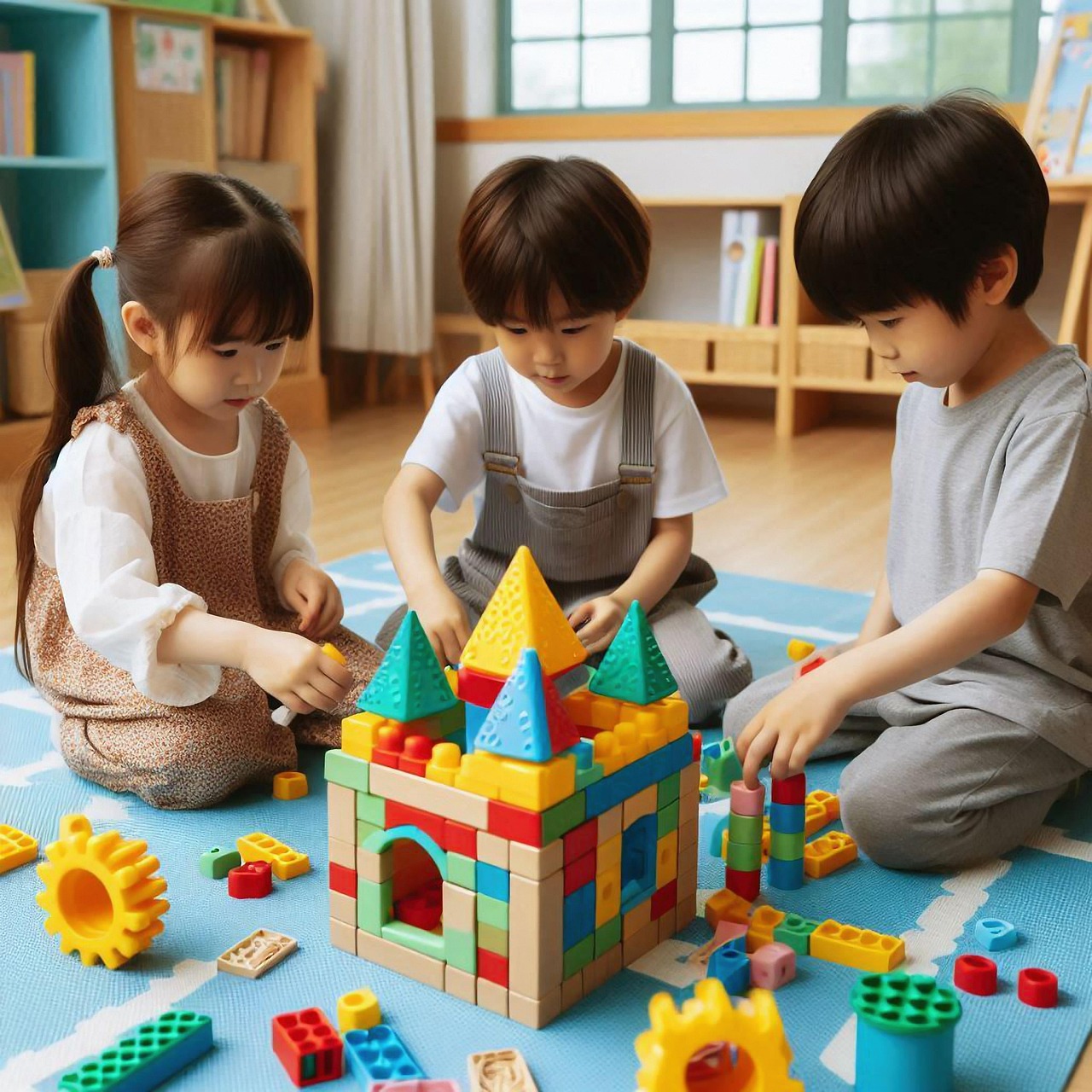

Community Programs That Help Prevent Childhood Obesity
Childhood obesity is a growing concern that requires urgent community intervention. Various community programs address this pressing issue through innovative strategies. One effective approach is providing children with opportunities for physical activities through organized sports leagues. These leagues encourage participation in various sports, ensuring that kids remain active and engaged. Additionally, schools can collaborate with local organizations to facilitate these programs, fostering an inclusive environment for all. Community health fairs can also play a significant role, offering resources and knowledge about healthy eating habits. Nutritional workshops and cooking demonstrations provide families with practical skills to prepare nutritious meals, promoting healthier lifestyle choices. Organizations can partner with local gyms to offer free or discounted fitness classes specifically designed for children. Furthermore, communities can create safe and accessible play areas to encourage outdoor play for children of all ages. Parents can participate in fitness events alongside their kids, creating a supportive atmosphere that promotes healthy habits. Therefore, the combination of sports leagues, healthy eating initiatives, and accessible recreational facilities is vital in combating childhood obesity.
Partnerships with Local Schools
Schools are pivotal in the fight against childhood obesity due to their unique access to children every day. Implementing programs that educate students about nutrition and fitness is crucial. Many schools now offer physical education classes that focus on various physical activities, fostering a love for movement. Additionally, integrating nutrition education into the curriculum helps children understand the importance of healthy diets. Schools can collaborate with local farmers to provide fresh produce options in cafeterias. Programs like farm-to-school initiatives can enhance children’s palates with fresh vegetables and fruits that are both appealing and beneficial. After-school programs can also include sports, gardening, and cooking classes to engage students. Furthermore, schools should work with parents by organizing workshops that equip families with the knowledge required to make healthier choices at home. Parental involvement is essential to strengthen what children learn in school. By creating a culture of health within the school environment and involving families, schools play a critical role in preventing childhood obesity. Overall, these combined efforts not only create healthier school environments but also positively impact children’s long-term health.
In addition to schools, community centers are vital hubs for addressing childhood obesity. These centers provide a variety of services tailored to families, often hosting sports programs and recreational activities for children. Programs offered at community centers typically include dance classes, swimming lessons, and team sports, encouraging kids to be active in a fun way. Additionally, these facilities often have trained staff who can guide children on proper exercise techniques. Another crucial component is educational workshops that inform families about maintaining a balanced diet. By offering nutrition education sessions, families can learn how to plan meals that support healthy growth. Community centers can also provide cooking classes where families participate together, making healthy food enjoyable and approachable. Another benefit is the establishment of active family nights, where families come together for fun, active challenges, promoting teamwork and bonding. Access to these facilities must be affordable, ensuring that all families in the community can participate. Thus, community centers play a significant role in engaging kids, providing resources, and empowering families to adopt healthier lifestyles.
Another effective strategy for combating childhood obesity is through summer camps focused on health and fitness. These camps offer children immersive experiences centered around physical activities and healthy living. During the camp, kids engage in various sports, from soccer to swimming, discovering activities that they enjoy. They learn the importance of staying active and developing teamwork skills, which can influence their lifestyle choices when they return home. Many camps also incorporate nutrition education into their programs, where children learn how to make healthier food choices. Cooking classes at summer camps introduce them to cooking techniques and healthy recipes that they can share with their families. Additionally, by providing meals that align with healthy eating practices, camps demonstrate the importance of nutrition. These experiences can have a long-lasting impact on children’s attitudes toward health and fitness. Parents often notice significant changes in their children’s behaviors, with an increased interest in being active. Summer camps help foster habits that will lead to a healthier future, serving as essential tools in the effort to prevent childhood obesity and promote lifelong wellness.
Promoting Safe Outdoor Spaces
Access to safe outdoor spaces is critical for children’s physical activity and engagement with their environment. Communities must prioritize the development and maintenance of parks, playgrounds, and recreational areas. Creating inviting spaces encourages play, exercise, and social interaction among children. Open fields for sports, walking trails, and playgrounds promote a variety of activities, keeping children engaged. Community-led initiatives can organize events in parks, such as family fun days that include games and physical activities. Furthermore, neighborhoods can implement programs that build awareness around the importance of play. Safety features, like well-maintained equipment and proper lighting, enhance these areas, ensuring everyone feels secure while enjoying them. Community organizations can partner with schools to organize regular outdoor activities that bring children and families together, fostering a sense of community. Additionally, encouraging walking or biking as modes of transportation to parks promotes healthier habits. In turn, these spaces can become vibrant hubs of activity where children build friendships, stay active, and learn the importance of outdoor engagement. Promoting safe outdoor spaces is essential in developing active lifestyles that reduce the risk of childhood obesity.
Fundraising events play an integral role in supporting community programs aimed at preventing childhood obesity. Fundraisers not only raise essential funds but also raise awareness about the issue. Schools, community centers, and local organizations can host various events like fun runs, bake sales, and fitness challenges. These activities encourage community involvement while promoting a healthier lifestyle. For instance, a community fun run can motivate families to participate together, emphasizing health and fitness. Additionally, sponsors can contribute resources or funding, amplifying the reach of these community programs. Engaging local businesses to sponsor these events enhances community ties and instills a sense of responsibility towards public health. Furthermore, hosting health fairs during these events brings together organizations that offer resources and information about nutrition and fitness. By fostering community spirit, fundraising activities also create a platform for discussions around childhood obesity, motivating more people to take action. Volunteers play a crucial role in executing these events and spreading messages about healthy habits. Therefore, through fundraising events, communities can actively rally around the cause and enable impactful programs to flourish.
Finally, social media can serve as a powerful tool for increasing awareness and promoting initiatives aimed at preventing childhood obesity. Community programs can utilize platforms like Facebook, Instagram, and Twitter to share information about events and resources readily available to families. Social media campaigns can raise awareness about the importance of maintaining active lifestyles while promoting healthy eating habits among children. Communities can engage influencers and health advocates to spread positive messaging, showcasing success stories that inspire others. Additionally, these platforms allow for real-time interaction between families and program organizers, fostering dialogue concerning children’s health. Sharing tips from nutritionists and fitness experts can further enhance the community’s knowledge and practices around health and wellness. Engaging challenges, such as family fitness challenges, can create a friendly competition to motivate families to be active together. By harnessing the power of social media, communities can cultivate a virtual network that promotes healthy behaviors and provides ongoing support. Ultimately, leveraging social media can amplify the reach of community programs, enhancing their potential to make a positive impact in preventing childhood obesity.