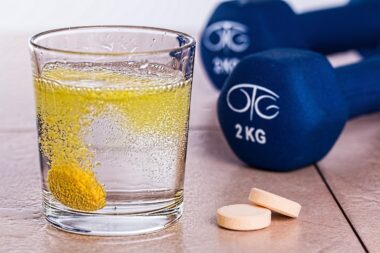

Hydration and Muscle Building: Post-Workout Strategies
Post-workout nutrition plays a crucial role in muscle recovery and growth, with hydration being a vital component. Dehydration can hinder muscle repair and overall performance, making it essential to replenish fluids after exercise. Water is the most important nutrient for recovery, but sports drinks can also contribute beneficial electrolytes. Aim to hydrate adequately before, during, and after workouts to optimize performance. Depending on the intensity of your workout, it is crucial to implement a post-workout hydration strategy. The amount of fluid needed can vary greatly according to several factors, such as body weight, workout duration, and climate. Aim for at least 500-700 ml of water within the first hour post-exercise to start the rehydration process. In extreme cases, consider integrating electrolyte-rich beverages to combat mineral loss due to sweating. This not only helps restore hydration but also supports better recovery efficiency. Additionally, tight muscles can indicate dehydration, which emphasizes the importance of consistent fluid intake. Ultimately, effective hydration strategies can support muscle building, enhance recovery, and promote optimal performance moving forward.
Along with hydration, proper nutrition post-workout is vital for muscle building and recovery. Consuming a balanced meal rich in protein and carbohydrates can maximize muscle repair. Protein provides the necessary amino acids needed for muscle synthesis. Carbohydrates help replenish glycogen stores that are depleted during workouts. Optimal post-workout nutrition should include a combination of both these macronutrients. Aim for a protein intake between 20-40 grams alongside about 40-60 grams of carbohydrates within 30 minutes after exercising. This time frame is often referred to as the ‘anabolic window,’ where muscle uptake of nutrients is heightened. For best results, opt for high-quality protein sources like lean meats, dairy products, or plant-based options. Pairing these with complex carbohydrates such as brown rice, quinoa, or sweet potatoes can enhance recovery further. Further, consider adding healthy fats, although they shouldn’t be the focus immediately post-exercise. Consider exploring different nutrient combinations to find what works best for your body. Tracking your intake can also lead to better hydration and nutrition strategies tailored specifically for your personal goals.
The Role of Electrolytes
Electrolytes such as sodium, potassium, and magnesium play essential roles in muscle function and hydration. When you engage in rigorous exercise, these minerals are lost through sweat, and restoring them post-workout is crucial for recovery. Electrolyte depletion can lead to muscle cramping, fatigue, and decreased performance levels. Including an electrolyte-rich beverage can significantly improve post-exercise recovery and hydration. This can be particularly beneficial for athletes and individuals performing high-intensity training sessions. Many sports drinks contain a blend of these essential minerals that aid in rehydration. However, check labels to avoid excess sugars and artificial additives. Alternatively, consider natural sources of electrolytes, such as coconut water or homemade electrolyte drinks, using fruits with sodium capability like oranges or bananas. A well-planned post-workout nutrition strategy that considers electrolytes will yield better performance results and enhanced recovery efficiency. Incorporating these into your post-workout meal or snack can keep muscle function optimal and assist in faster recovery after strenuous workouts. Lastly, strive to consciously balance hydration and electrolyte levels continually throughout your fitness journey.
Beyond hydration, it’s also essential to prioritize recovery for muscle building. Techniques including stretching, foam rolling, and proper sleep play significant roles in muscle repair. Stretching can increase flexibility and help alleviate tension in muscles after intense workouts. Foam rolling serves to release muscle tightness and enhance blood circulation, promoting quicker recovery times. Sleep is often underestimated in its benefits; quality rest allows the body to recover and rebuild muscle tissues appropriately. It’s advisable to aim for at least seven to nine hours of sleep each night to support these processes. Additionally, including activities such as yoga or meditation can enhance relaxation and improve mental focus, which contributes to better workout performance. Emphasis should always be placed on recovery as part of muscle building. Without proper recovery mechanisms, even optimal hydration and nutrition will not yield the desired results. Building in recovery days into your exercise routine allows muscles to heal and grow stronger. All of these recovery strategies combined ensure that you are ready for your next workout and minimizes the risk of injury.
Strategies for Better Hydration
To ensure you are properly hydrated, it’s essential to establish effective hydration strategies. Keep a water bottle handy throughout the day to encourage regular fluid intake, even outside workout sessions. Additionally, tracking your water consumption can provide better insights into how much you actually drink. This helps in adjusting your intake accordingly to meet needs based on your activity levels. Other fluid sources, such as herbal teas, broths, and fruits, can also contribute positively to hydration. An easy way to gauge hydration status is through urine color; pale yellow typically indicates proper hydration levels. Conversely, darker urine signifies a need for increased fluid intake. Additionally, leverage technology by setting reminders or using apps reminding you to hydrate. If you struggle with plain water, infusing it with fruit or herbs can enhance flavor and make drinking more enjoyable. Incorporating these small yet effective strategies into your daily routine will ensure that hydration becomes a consistent part of your nutrition. Ultimately, better hydration practices will support your muscle-building efforts through improved recovery, muscle function, and overall performance.
As you tailor your hydration and nutrition strategies, consider your unique body needs and workout styles. Everyone’s body reacts differently to exercise and retains fluid in diverse ways, implying that rigorous adjustments may be beneficial. Pay attention to how your body feels during workouts and how it recovers afterward. This encompasses watching for signs of dehydration, such as dizziness or hunger. Continuously adapting your hydration and nutrition approach can lead to more effective muscle building and recovery. Consult with a registered dietitian or nutritionist if you need assistance in developing personalized strategies. They can help you analyze your current intake and provide insights into optimization of both hydration and post-workout nutrition for muscle development. Investing in expert advice grants you the necessary tools to achieve your fitness goals and elevates your understanding of the relationship between hydration and muscle building. This ensures that you are making informed decisions that directly impact your physical performance and recovery. As you forge ahead in your fitness journey, implementing tailored tips and strategies will enhance your overall muscle-building experience.
Conclusion
In conclusion, effective post-workout strategies focusing on hydration and nutrition are critical components of muscle building and recovery. Prioritizing fluid intake allows for optimal muscle function while reducing recovery time after intense workouts. Implementing strategies such as balanced nutrient composition and electrolyte replenishment can lead to significantly favorable outcomes for your muscle-building pursuits. Remember the importance of varying your hydration and nutritional intake based on personal needs, workouts, and environmental factors. This ensures that you can maintain peak performance levels while sustaining muscle growth and repair in the long run. Tailoring your post-workout routine with hydration at its core enables a foundation of success for future workouts. Moreover, integrating additional recovery techniques will further support your overall fitness goals. Make hydration and nutrition a conscious part of your training regimen. This holistic approach will help you harness the full potential of your workouts. Ultimately, staying hydrated and well-nourished allows you to build muscle effectively while enhancing your overall well-being and performance as an athlete or fitness enthusiast.
By mastering hydration and post-workout nutrition, you are investing in your lifelong fitness progress and muscle-building journey. Always keep in mind that consistency leads to results. Incorporate these tips into your routine, and adapt them as necessary to achieve optimum health and performance. Over time, the positive impacts of proper hydration and nutrition will become evident, aiding in muscle development and enhancing overall training efficiency. Stay committed to your hydration strategies, enjoy the benefits of proper nutrition, and allow them to harmonize your workout regimen. By doing so, you will find yourself enjoying better workouts and a more fulfilling journey toward your fitness aspirations.