
Nutrition Strategies to Lower Cholesterol for Better Training
Cholesterol management is a crucial aspect of cardiovascular health, and a balanced diet can play a significant role in this. To effectively lower cholesterol levels while ensuring peak training performance, focus on incorporating whole foods rich in nutrients. One key strategy is to increase the intake of soluble fiber found in oats, legumes, fruits, and vegetables, which can help reduce LDL cholesterol. Additionally, adding heart-healthy fats, such as avocados, nuts, and olive oil, can further support cardiovascular health. These healthier fats are not only filling but also offer benefits in lowering cholesterol levels. Beyond dietary changes, staying physically active, engaging in regular cardiovascular exercises, can significantly improve heart health. It’s also important to remain hydrated, as proper hydration supports overall metabolic functions. Another beneficial approach is to limit processed foods high in trans fats and added sugars, which can negatively impact cholesterol levels. Always consult with a healthcare provider before making significant changes to your diet to ensure they align with your individual health needs and training goals. Making informed nutritional choices will not only enhance athletic performance but also contribute to long-term cardiovascular health.
The importance of dietary balance cannot be overstated, especially for those involved in cardiovascular training. Incorporating a variety of food groups helps in obtaining necessary vitamins and minerals essential for bodily functions. Fruits and vegetables should be prominent on your plate; aim for at least five servings daily to ensure adequate fiber and antioxidants. Foods rich in omega-3 fatty acids, such as fatty fish, flaxseeds, and walnuts, also help improve heart health by reducing inflammation and lowering cholesterol. Moreover, adding whole grains like brown rice, quinoa, and whole-wheat bread can further enhance your training diet. These foods are packed with nutrients that help maintain energy levels throughout workouts. Additionally, lean proteins like chicken, turkey, and plant-based sources, such as beans and lentils, are vital for muscle recovery post-exercise. It’s advisable to monitor portion sizes to avoid overeating; small, frequent meals instead of large ones can help manage this effectively. Lastly, don’t forget to limit sodium and sugar intake, as they can lead to weight gain and increased cholesterol levels. Embracing these practical dietary strategies can lead to significant improvements in cardiovascular fitness.
Smart Snacks for Nutritional Success
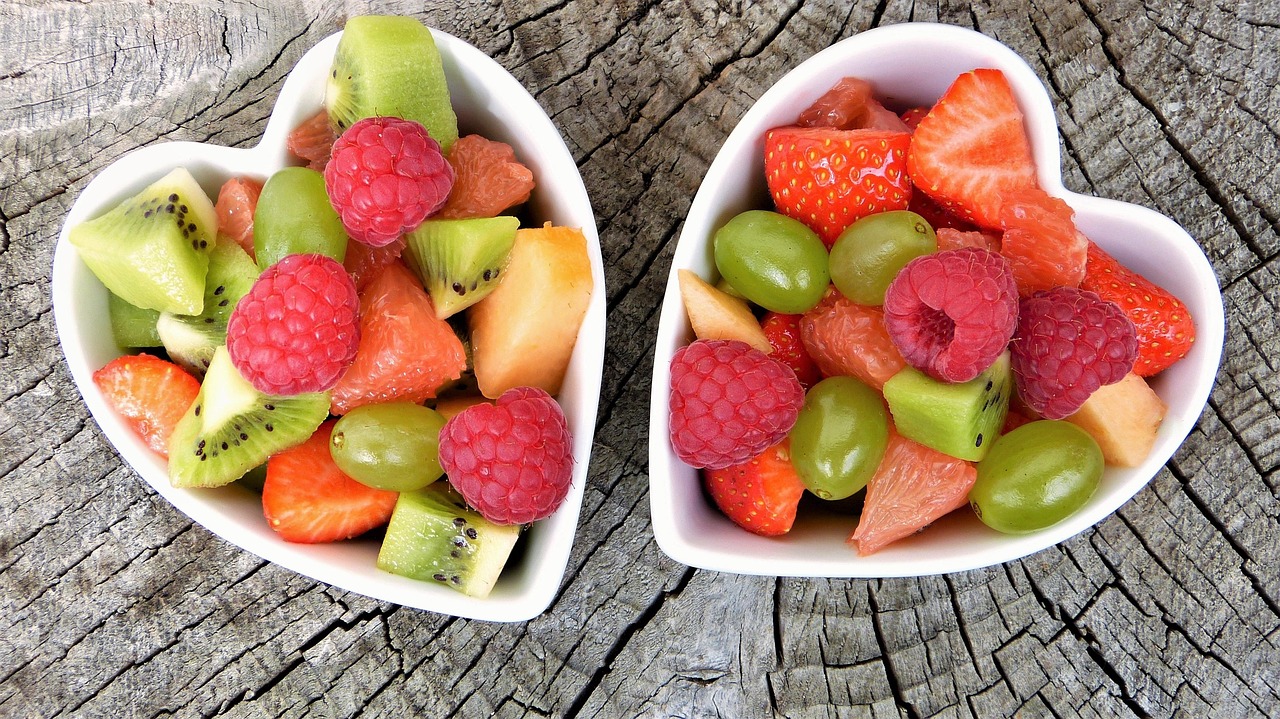
Choosing the right snacks can significantly influence your cholesterol levels and overall performance in cardiovascular training. Opt for snacks that provide energy without unnecessary fats or sugars. Some excellent choices include fresh fruits, raw vegetables with hummus, or low-fat yogurt with mixed nuts. These options are not only satisfying but also contribute to nutrient intake while avoiding high-calorie pitfalls. When selecting snacks, consider portion control to prevent excess caloric consumption, which can lead to weight gain. Whole grain crackers or rice cakes topped with avocado or nut butter offer a good mix of complex carbohydrates and healthy fats. Also, incorporating chia seeds or flaxseeds into smoothies can provide additional omega-3 fatty acids. Being mindful of the nutritional quality of your snacks will enable better performance during workouts and assist in cholesterol management. Avoid snack foods that are high in processed sugars or unhealthy fats, as these can lead to spikes in energy followed by crashes. Building a habit of preparing healthy snacks in advance can make it easier to stay on track with your nutrition goals.
Hydration is often overlooked yet is fundamental to a successful nutrition strategy for lowering cholesterol. Water is essential for digestion, nutrient absorption, and overall metabolic processes that keep your body running smoothly. Aim to drink adequate amounts of water before, during, and after workouts to maintain optimal hydration levels. Dehydration can negatively affect performance and recovery, leading to increased fatigue and potentially impacting cholesterol levels. In addition to plain water, you can incorporate herbal teas or infused water for variety. Electrolyte-rich beverages can be beneficial during intense cardio sessions; however, make sure to choose those without added sugars. Monitoring your fluid intake can help maintain performance consistency throughout your training sessions. Keeping a reusable water bottle handy can serve as a reminder to drink more water during the day. It’s important to listen to your body’s thirst signals, as they can guide you in fulfilling hydration needs. By ensuring proper hydration, you not only support your overall health but also create an optimal environment for effective cardiovascular training and improved cholesterol management.
The Role of Meal Timing
Understanding meal timing can also be a pivotal strategy in enhancing your nutrition for cardiovascular training. Consuming meals around your training schedule can maximize energy use and optimize recovery. It’s beneficial to eat a carbohydrate-rich meal about one to three hours before your workout to fuel your performance. Consider options like oatmeal with berries or a banana with nut butter, which provide the necessary energy for an intense workout. Post-exercise, aim to consume a meal rich in both protein and carbohydrates within 30 to 60 minutes to aid in recovery and replenish glycogen stores. Foods such as a protein smoothie with spinach, banana, and protein powder can be both nutritious and delicious. Spacing meals evenly throughout the day can help manage hunger levels and maintain stable energy levels. Regular eating patterns also reduce the risk of overindulgence later—a common pitfall for those with hectic schedules. Overall, meal timing can enhance training efforts and significantly influence cholesterol levels and overall health when properly managed alongside exercise.
Implementing mindful eating practices can be advantageous for both cardiovascular training and cholesterol management. Mindfulness brings attention to the eating experience, encouraging deeper awareness of hunger cues and food choices. This approach helps prevent mindless snacking or overeating, both of which can hinder your training goals. By taking the time to savor each bite, you can become more attuned to your body’s nutritional needs. Keeping a food journal can also provide insights; noting what and when you eat helps identify patterns and can highlight areas needing improvement. Focusing on the quality of food over quantity is essential; emphasize whole, unprocessed foods that nourish your body. Avoid distractions while eating, such as watching TV or scrolling on your phone, as these can lead to consuming more than needed. Practicing gratitude for the food you eat can promote a healthy relationship with it. Additionally, involving all your senses during mealtime can heighten satisfaction and enjoyment. By incorporating mindful eating habits, you can support better cholesterol levels while enhancing your training performance.
Supplements and Their Impact
While a balanced diet should be the cornerstone of your nutrition strategy, some supplements can aid in cholesterol management and overall cardiovascular health. Omega-3 fatty acids, found in fish oil supplements, promote heart health and can lower triglyceride levels. It’s critical to consult with a healthcare professional before adding any supplements to your regimen, particularly if you have existing health conditions or take medications. Plant sterols and stanols, found in certain fortified foods and supplements, have been shown to help reduce cholesterol absorption in the intestine. Magnesium and Coenzyme Q10 supplements may promote cardiovascular health and optimize energy production during training. However, supplements should not replace nutrient-rich foods, as whole foods offer a complex array of vitamins and minerals that supplements alone cannot provide. Conduct thorough research on any supplement to understand its effectiveness and potential side effects. A well-rounded approach that combines smart dietary choices, regular physical activity, and appropriate supplementation can lead to lasting improvements in cholesterol management and athletic performance.
In conclusion, a well-thought-out nutrition strategy is essential for lowering cholesterol and effectively supporting cardiovascular training. Focus on eating a variety of whole, nutrient-dense foods that promote heart health and support training performance. Incorporate regular physical activity and mindful hydration practices, ensuring you stay active and hydrated to help manage cholesterol levels. Pay attention to meal timing, aiming to eat optimal pre- and post-workout meals to maximize energy levels and recovery. Mindful eating practices further enhance your connection with food, streamlining your journey towards healthier habits. Don’t forget that while supplements can complement your diet, they should not replace healthy, whole food choices. Consistency is key, and making gradual lifestyle changes will not only improve your cholesterol levels but will also enhance your overall health and fitness. Always consult with professionals for personalized advice tailored to your unique health needs. By implementing these strategies, you can transform your diet, lower your cholesterol, and optimize your performance in cardiovascular training, paving the way for a healthier you.