
Understanding the Anatomy Involved in Diaphragmatic Breathing
Diaphragmatic breathing is a foundational technique in various relaxation practices. The diaphragm is a dome-shaped muscle located at the base of the chest cavity. It plays a crucial role in respiration, separating the thoracic cavity containing the lungs from the abdominal cavity. Proper engagement of this muscle is essential for efficient breathing. As you inhale, the diaphragm contracts and moves downward. This movement decreases the pressure in the thoracic cavity, allowing the lungs to expand. During this process, the lower lungs fill with air, promoting optimal gas exchange. Along with the diaphragm, other muscles support breathing, including intercostal muscles between the ribs. These muscles assist in expanding the rib cage, contributing further to lung expansion. Mastery of diaphragmatic breathing can lead to improved oxygenation of blood, reducing stress and enhancing relaxation. Many people practice diaphragmatic breathing to control anxiety and develop greater mindfulness. It allows individuals to reconnect with their bodies, fostering a sense of calm and well-being. Understanding the diaphragm’s anatomy empowers practitioners to make conscious adjustments in their breathing patterns, ultimately improving their overall health.
The mechanics of diaphragmatic breathing involve the complex interplay of various muscles. The diaphragm contracts during inhalation, while the abdominal muscles relax to allow the diaphragm to move freely. This creates a vacuum effect, drawing air into the lungs more effectively than shallow chest breathing. As you practice this technique, you may notice increased movement in your abdomen, as opposed to your chest. This is indicative of proper diaphragmatic engagement. Additionally, activating the diaphragm fully encourages the expansion of the lower lobes of the lungs, where the airway is largest. With deeper breaths, you not only enhance oxygen intake but also eliminate more carbon dioxide, promoting healthier lung function. Regular practice can help you build lung capacity over time. Furthermore, various techniques aid in achieving optimal diaphragmatic breathing, such as visualizing your breath expanding your belly like a balloon. This imagery can help reinforce the correct mechanics during practice. Pairing breath work with mindfulness can deepen relaxation responses. Thus, both physical and mental benefits derive from itself. It fosters a connection to bodily sensations and awareness, leading to enhanced physical health and emotional balance.
To further enhance your understanding of diaphragmatic breathing, it’s essential to recognize the physiological changes that occur during this practice. As you inhale with the diaphragm, changes in blood chemistry occur. Oxygen levels rise while carbon dioxide levels decrease in response to increased surface area and lower pressure in your lungs. This shift can stimulate parasympathetic nervous system activation, directly affecting relaxation responses. By regularly incorporating diaphragmatic breathing into your routine, you may notice reduced heart rate and equally lower levels of stress hormones. Research suggests that consistent practice may have long-term benefits, including lower blood pressure and improved digestive function. Additionally, this technique is valuable in managing symptoms related to stress and anxiety disorders. It aids in developing awareness of the body’s reaction to stressors and offers an alternative response through mindful breathing choices. Practicing diaphragmatic breathing can also serve as a bridge in enhancing focus and mental clarity. As you manage stress through controlled breathing, attention to the present moment improves. Consequently, this attention can enhance productivity and foster better decision-making capabilities in daily life.
Implementing Diaphragmatic Breathing Techniques
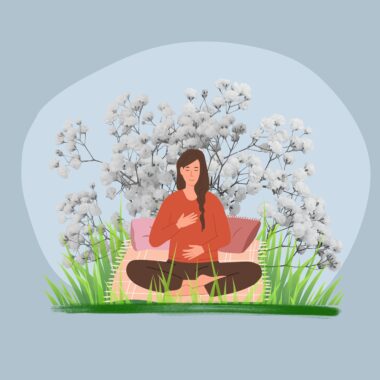
Incorporating diaphragmatic breathing into your daily regimen is easier than many may think. Start by finding a comfortable position, whether sitting or lying down. It can be helpful to place one hand on the chest and the other on the abdomen. This positioning encourages awareness of your breathing. Breathe in deeply through your nose, ensuring the diaphragm descends. You should notice your belly rise under your hand while your chest remains relatively still. Inhale for a count of four, perhaps holding briefly before exhaling slowly through pursed lips. Maintain a focus on feeling the abdominal wall contract as you release the air. Gradual progress is essential, so remember not to rush the process. Gradually increase the duration of each inhale and exhale as you become more comfortable with the rhythm. Practicing for just a few minutes daily can yield considerable benefits, especially when integrated into mindfulness or meditation practices. Consistency is critical, as it allows your body to adapt to this beneficial pattern of breathing. Consider setting reminders to help establish this practice as a habit in your daily routine.
Many individuals experience difficulty in mastering diaphragmatic breathing initially. However, persistence and patience are integral to overcoming these challenges. You might encounter feelings of lightheadedness or discomfort as your body adjusts to the deeper oxygen intake. These sensations can be attributed to increased oxygen levels and altered carbon dioxide levels in the bloodstream. It’s important to breathe slowly and steadily, rediscovering the rhythm that feels natural to you. Breathing exercises may also serve as supportive tools, allowing you to practice throughout the day. Simple techniques, such as box breathing or counting breaths, can reinforce your capacity to utilize the diaphragm effectively. Incorporating movement can also facilitate diaphragmatic engagement. Activities like yoga or tai chi often emphasize breathing and can enhance coordination between movement and breath. As you cultivate this new skill, it can positively influence not just physical well-being, but mental clarity as well. Your upgraded breathing technique can also affect emotional state, promoting calmness and reducing anxiety in stressful situations. Celebrate your progress, regardless of how minor it may seem. The journey itself can significantly enrich your overall quality of life.
In conclusion, the anatomy of diaphragmatic breathing presents a fascinating intersection of physical and mental wellness. Understanding how the diaphragm operates within the body underscores the importance of refining this breathing technique. It is essential to recognize that mastering diaphragmatic breathing is not merely a matter of technique; it also encompasses a holistic approach to health and wellness. Engaging various muscle groups and promoting mindful breathing cultivates resilience against stressors. This contribution plays a vital role in overall well-being, especially in our fast-paced modern world. The benefits extend beyond immediate relaxation; they enhance lung efficiency, boost mental clarity, and improve emotional regulation. Investing time in practicing diaphragmatic breathing can yield lasting advantages, leading to profound lifestyle changes. Additionally, exploring the interconnectedness between breathing and emotions opens pathways for deeper self-awareness and mindfulness. This process is gradual, but the rewards are substantial. As more individuals embrace this practice, communities foster interconnectedness, enhancing collective well-being. With dedicated practice, diaphragmatic breathing can transform not only individual health but also overall societal wellness. Taking steps towards your health through this skill may lead to better outcomes in numerous areas of life.
For those looking to explore additional resources on diaphragmatic breathing, numerous possibilities exist. Books, documentaries, and reputable websites provide an abundance of information to deepen your understanding. Engaging with qualified instructors can further enhance your experience through personalized guidance and practice. Online courses and virtual workshops have become more accessible than ever, allowing you to integrate these techniques into your lifestyle from home. Consider joining community groups focused on mindfulness or breathing techniques. Connecting with others presents opportunities to share experiences and learn from diverse perspectives, enriching your practice. Exploring forums and platforms dedicated to health and wellness can also yield valuable insights. Remember to prioritize your journey in learning diaphragmatic breathing by embracing patience. Everyone’s experience differs; find what resonates best for you personally. Engage consistently with the material and practice actively, allowing yourself room for growth. Celebrate small victories as you increasingly incorporate diaphragmatic breathing into your life. Over time, you will begin to notice how natural and beneficial it becomes. Ultimately, your exploration of diaphragmatic breathing is a gift to yourself. It grants you the means to reduce stress, enhance health, and cultivate a balanced lifestyle.
Understanding diaphragmatic breathing is not only about the mechanics; it is about creating a lifestyle rooted in wellness. As you explore this technique further, reflect on the changes you experience both physically and mentally. If needed, take time to journal these insights, noting shifts in mood, energy, and overall well-being. This practice not only reinforces your commitment but also creates a touchstone you can revisit during challenging moments. Awareness of the breath creates a bridge between sensations within the body and your mental state, enhancing your self-regulation abilities. Through each practice session, strive to approach progress with curiosity rather than judgment. Acknowledge that mastering diaphragmatic breathing is a journey, not a race, where every breath counts. As your confidence builds, challenge yourself with longer sessions and even incorporate visualization techniques. Imagining waves or calm skies can help deepen your relaxation experience. Reassessing your technique as you go along will ensure that you maintain effective engagement of the diaphragm. Enjoy the learning process for its own sake, and trust that your commitment to diaphragmatic breathing will foster both personal and communal wellness.