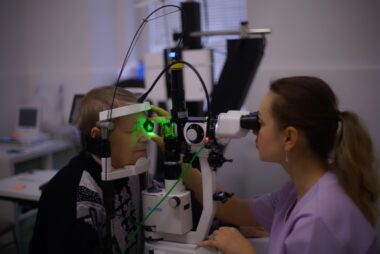

The Role of Vitamins in Preventing Eye Diseases
Eye health is vital for overall well-being, and the prevention of eye diseases is essential. Vitamins play a significant role in maintaining this health and preventing conditions such as cataracts and age-related macular degeneration (AMD). Studies have shown that certain vitamins can positively impact eye function. For example, vitamin A is crucial for vision and helps prevent night blindness. Other vitamins like C and E serve as antioxidants, protecting the eyes from oxidative stress caused by free radicals. Proper intake of these vitamins can help mitigate the risk of developing serious eye problems. Having a balanced diet rich in these nutrients is integral to support eye health. Foods such as carrots, spinach, nuts, and citrus fruits are excellent sources of essential vitamins. Consuming a varied diet ensures that your eyes receive the necessary nutrients to function optimally. Supplements may also be beneficial in some cases where dietary restrictions exist. Regular eye examinations paired with a nutritious diet can contribute greatly to long-term eye health, making it a priority for everyone to consider their vitamin intake as part of their health regimen.
One vital vitamin for eye health is vitamin C, known for its powerful antioxidant properties. Vitamin C helps in reducing the risk of cataracts and may slow the progression of AMD. It is found in foods like oranges, strawberries, and bell peppers. Incorporating these foods into one’s diet can boost vitamin C levels naturally. Moreover, vitamin E is significant for protecting cells in the eyes and body from damage. Final findings suggest that it might lower the risk of developing cataracts and AMD. Nuts, seeds, and whole grains are excellent sources. Additionally, the carotenoids lutein and zeaxanthin, found in leafy green vegetables, play a protective role in eye health. These pigments filter harmful blue light and reduce the risk of eye diseases. A Supplement regimen focused on eye health often contains these vital nutrients, making them an essential consideration for everyone, particularly those at risk for eye diseases. By emphasizing a diet rich in these vitamins, individuals can support ocular health effectively and enhance their overall quality of life through improved vision.
Importance of Omega-3 Fatty Acids
Besides vitamins, omega-3 fatty acids are important for maintaining eye health and preventing diseases. They play a role in preventing dry eye syndrome, which can be debilitating. Omega-3 fatty acids are found in fatty fish like salmon, walnuts, and flaxseeds. Regular consumption of omega-3-rich foods has been linked to decreased risk of developing AMD. They are believed to help support retinal health and visual function. Additionally, these fatty acids promote eye lubrication, reducing discomfort and dryness. For those who may not consume enough omega-3 in their diet, supplements like fish oil or algal oil can be a practical alternative. Visiting an eye care professional can provide insights on proper dosages and recommendations for incorporating omega-3s into one’s lifestyle. A comprehensive approach, combining a balanced diet with omega-3 supplements, may greatly enhance overall eye function. As evidence continues to accumulate regarding the benefits of omega-3s, it becomes increasingly important to consider these factors within a broader framework of general health and nutrition.
Many people overlook the potential of B vitamins in protecting eye health. Vitamins such as B6, B9 (folate), and B12 are essential for reducing the risk of developing eye diseases. They help reduce homocysteine levels, a substance linked to increased risk of AMD. By lowering homocysteine, it can potentially slow the advancement of AMD in susceptible individuals. B vitamins can be found in various foods such as whole grains, beans, and eggs. Incorporating these foods into daily meals can effectively increase intake. For those with dietary restrictions, B vitamin supplements are readily available and may be a suitable option. Maintaining a balanced intake of B vitamins is essential not just for eye health but for maintaining overall vitality and wellness. Regular examinations and eye testing should accompany dietary efforts, ensuring a holistic approach to eye health. Those curious about their nutritional status may consider consulting a healthcare provider for tailored solutions. Eye health is a multifaceted endeavor that requires diligent attention to vitamin and nutrient intake.
Antioxidants for Eye Protection
The health of the eyes is closely related to the body’s ability to combat oxidative stress. This necessitates a robust intake of antioxidants. Beyond vitamins, minerals like zinc also play a critical role. Zinc aids in transporting vitamin A from the liver to the retina, essential for maintaining vision quality. Foods such as oysters, beef, and beans are rich in zinc, and supplementation can be considered if dietary intake is inadequate. Another powerful antioxidant is beta-carotene, which can be found in colorful fruits and vegetables. This nutrient converts to vitamin A in the body and plays a direct role in maintaining healthy eyesight. Emphasizing colorful produce in one’s diet not only provides a variety of nutrients that promote eye health but also enhances overall nutrition. By being conscious of incorporating antioxidants into meals, individuals can significantly mitigate the potential threats posed by oxidative stress and reduce their risk of developing eye diseases over time.
Furthermore, staying hydrated is often overlooked in the conversation about eye care. Adequate hydration helps maintain optimal eye moisture, reducing the risk of dry eyes. Drinking sufficient water throughout the day can improve overall eye comfort, especially for those in arid environments or who spend prolonged hours in front of screens. Regular breaks during screen time, along with staying hydrated, can alleviate discomfort and protect ocular health. Consuming water-rich foods such as cucumbers and watermelon can also boost moisture levels in the body. Implementing adequate hydration and nutritional strategies forms a solid foundation for comprehensive eye care. Continuous research into the relationship between hydrating properly and eye health is essential. Furthermore, integrating proper hydration protocols alongside nutritional goals can elevate overall eye health. It promotes not only comfort but enhances visual acuity and efficiency in daily tasks. Together, these practices create a sustainable approach to eye health, ensuring longevity of visual function and reducing the risks associated with eye diseases.
Consultation with Healthcare Professionals
In conclusion, vitamins and other nutrients play a crucial role in preventing eye diseases and supporting overall vision health. Individuals should be proactive in assessing their nutritional habits and ensuring they are incorporating a variety of eye-healthy foods into their diets. For those unsure about their vitamin levels, consulting with a healthcare provider or a nutritionist can yield personalized approaches to eye health. They can assist in determining specific vitamin requirements based on lifestyle, age, and existing health conditions. As eye diseases become increasingly prevalent in society, understanding the link between nutrition and eye health is imperative. Awareness can significantly influence the choices individuals make regarding their diets and supplement intake. Regular eye examinations, combined with a balanced diet rich in vitamins, omega-3s, antioxidants, and adequate hydration, provide a powerful approach to preserving vision health. Ultimately, prioritizing eye care means embracing a holistic view of health that integrates well-being with practical nutrition strategies for a brighter, healthier future.
Incorporating these principles into daily routines can lead to substantial improvements in both mental and physical health, marking a new era in preventative care. The integration of nutrition, particularly in the realm of eye health, reflects a broader understanding of how the elements of a balanced diet significantly benefit vision comprehensively. Staying informed and vigilant about eye care practices is essential, as is building a strong foundation of nutrition for a healthier living. While vitamins are vital, remembering their synergistic effects with other dietary components can amplify their effectiveness. Consistency in these habits over the long term enhances not only eye health but overall well-being. Engaging approaches to eye care can create a robust lifestyle, grounded in health awareness and proactive management of one’s wellbeing. As research continues to discover the intricate relationships between diet and various aspects of health, maintaining a committed perspective on nutrient intake will be paramount. Everyone should actively seek knowledge to make informed decisions about their nutrition, ensuring that their visionary health is prioritized and sustained effectively.