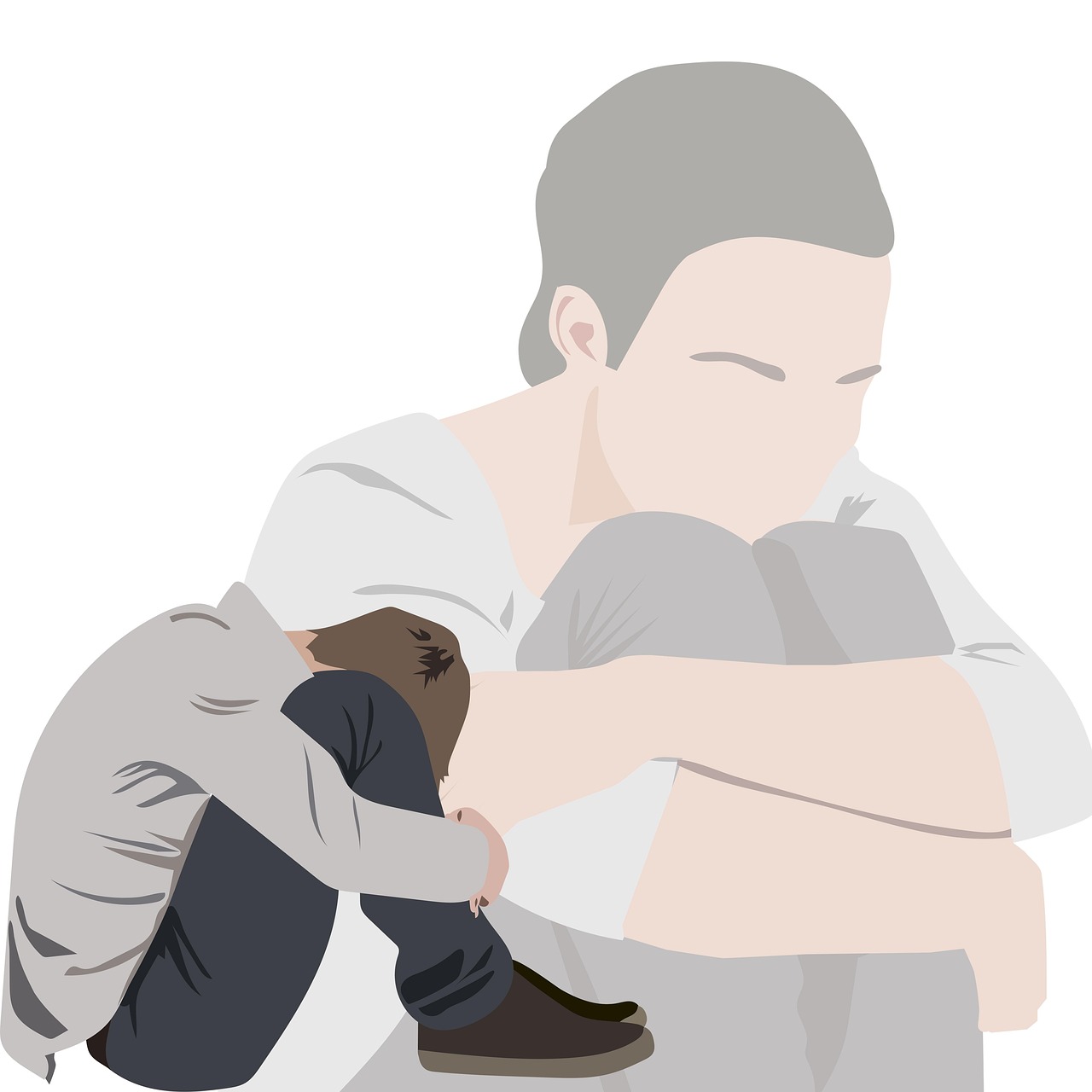

The Role of Therapy in Healing from Loss
Losing a loved one can be an incredibly isolating experience, leaving individuals to grapple with overwhelming emotions. The path to healing is often fraught with challenges, and that’s where therapy plays a pivotal role. Through therapy, individuals can express their feelings in a safe space, which is crucial for processing grief. Therapists trained in grief counseling provide essential support, allowing individuals to work through complex emotions such as anger, guilt, and sadness. Furthermore, therapy helps individuals develop coping strategies tailored to their needs, making the grieving process more manageable. Support groups, another aspect of therapy, can also facilitate connection. Sharing experiences with others who understand can provide comfort and validation. It is important to recognize that everyone’s grieving process is unique, and therapy acknowledges that. Professional therapists can guide individuals in finding meaning after loss, promoting emotional resilience. This is essential for moving forward while cherishing the memories of those who have passed. Healing through therapy is not linear, and setbacks may occur, but consistent support fosters readiness to embrace life again.
In therapy, various techniques are employed to aid in the coping process. Cognitive Behavioral Therapy (CBT) is particularly effective as it helps individuals identify and alter negative thought patterns associated with grief. By recognizing these cognitive distortions, clients learn to replace them with healthier perspectives. This re-framing fosters a more positive outlook on life, allowing people to navigate their feelings of loss without being overwhelmed by despair. Mindfulness practices, often included in therapy, also cultivate presence, enabling individuals to experience grief fully rather than avoiding it. For many, art or music therapy serves as a creative outlet, facilitating expression when words are insufficient. Meanwhile, journaling is encouraged as a reflective practice to document emotions and track progress. Ultimately, these techniques empower clients to regain control of their emotional states. In addition, therapists may introduce psychoeducation, helping clients understand the nature of grief. By learning about the stages of grief and acknowledging its non-linear aspects, individuals can normalize their experiences. Knowing that what they’re feeling is common can reduce feelings of isolation that often accompany loss.
Support Networks and Their Impact
Support networks play an invaluable role in the healing process after a loss. While therapy provides professional guidance, friends and family can offer emotional and practical support. Understanding the importance of shared grief amongst loved ones cannot be overstated. Conversations with those who have experienced similar losses can validate feelings and foster a sense of community. Additionally, creating spaces for open dialogue about the deceased allows individuals to share memories and celebrate their lives. Establishing rituals such as memorial services or regular meet-ups can provide structure in chaotic emotional landscapes. These actions help reinforce bonds between grieving loved ones, allowing for collective healing. Providing companies and faith groups also create environments where individuals feel safe expressing their hearts and their pain. Ultimately, there is strength found in shared experiences, and these networks help individuals feel less isolated in their grief. At the same time, it’s crucial to recognize when professional help is needed to prevent overwhelming feelings of sorrow from leading to prolonged despair or depression. Combining personal support with therapy creates a holistic approach to coping.
Grief is a complex multifaceted process that can trigger various reactions, both emotional and physical. Therapy can help individuals understand that experiencing physical symptoms is normal during such a challenging time. Many people report changes in eating habits, sleep disturbances, and fatigue while grieving. Recognizing these symptoms provides opportunities for therapeutic discussions and is an essential component of the healing journey. Through therapy, clients learn coping mechanisms that can mitigate these physical manifestations. Implementing self-care routines is emphasized, encouraging clients to prioritize their well-being despite emotional turmoil. Healthy eating, regular physical activity, mindful practices, and relaxation exercises can significantly improve overall quality of life during grief. Furthermore, understanding the ‘fight or flight’ response triggered by grief allows individuals to manage anxiety better. Therapists teach grounding techniques to help individuals remain present. Increasing awareness of the body’s responses to stress and grief fosters resilience and empowerment. It is essential to reassure clients that feeling overwhelmed does not mean failing in their grief journey. Each step taken in therapy moves individuals closer to honoring their loved ones while reclaiming their own life.
Finding Meaning After Loss
Another essential component of therapy in coping with grief is finding meaning in the aftermath of loss. Individuals often wrestle with profound questions about purpose and existence following a bereavement. Therapy can guide individuals in exploring their relationship with mortality and how it shapes their values and priorities. Engaging in reflective conversations allows clients to connect memories of their loved ones to future aspirations, fostering a sense of continuity. Creating legacies or engaging in activities that honor the deceased can also be therapeutic. Some choose to volunteer for causes that were important to their loved ones, while others might pursue hobbies or interests they shared. This process not only pays tribute to the deceased but can also aid in personal growth. Grief can lead individuals on transformed journeys, discovering new paths and deeper connections with life. Therapists often encourage clients to journal about their reflections during this meaningful exploration, providing a safe space for thoughts and feelings. Ultimately, cultivating these practices helps forge a renewed sense of identity while honoring the values that loved ones represented.
The journey of healing after loss is continuous, and the role of therapy evolves throughout this process. As time passes, clients may find themselves facing unique challenges such as anniversaries or special dates that trigger memories of loss. This is where ongoing therapy can provide vital support, allowing clients to navigate these moments with grace. Therapeutic sessions offer a structured place to prepare for emotional responses experienced during these times, equipping clients with coping strategies tailored specifically to each situation. Engaging in reflection and planning can reduce anxiety about facing such milestones. Similarly, therapy continues to help individuals recognize changes in their grief journey over time. It promotes the understanding that it’s okay to feel different as healing progresses. Therapy also aids in constructing new narratives surrounding loss, recognizing it as a part of life rather than remaining trapped in despair. Clients may develop their voices to share their stories, which can inspire others experiencing similar losses. Moreover, therapy emphasizes the importance of self-compassion, reinforcing that grief evolves and lessons can be learned as individuals gather strength and insight from their experiences.
Conclusion: Embracing a New Chapter
In conclusion, the role of therapy in coping with grief and loss is profoundly impactful. It provides individuals with essential tools to navigate the turbulent emotions associated with loss while fostering community connections. Through therapeutic interventions, individuals learn not only to process their grief but also to find meaning and purpose amidst sorrow. Embracing new ways to honor loved ones can empower clients to reclaim their lives in vibrant ways. The journey, while deeply personal, is where therapy shines brightest, ensuring that individuals are not navigating their paths alone. Professional support is invaluable as clients learn to adapt their coping strategies during significant life transitions. Ultimately, therapy reinforces that grief is not just an end, but an invitation to redefine one’s existence. Moving forward with hope and resilience allows individuals to cherish memories of their loved ones while continuing to grow and thrive. Embracing change and adapting to life without a loved one requires courage, and therapy stands as a beacon guiding individuals along this nuanced journey toward healing. It’s never too late to seek help, and every step taken toward healing is meaningful.
Through therapy, individuals can begin to reconstruct their lives beyond grief. Understanding the cyclical nature of grief and recognizing that healing is an ongoing journey gives clients hope. As therapy fosters personal development, it enables individuals to discover inner strengths. Cultivating supportive environments equipped with self-love and acceptance can enhance emotional well-being in the aftermath of loss. It’s crucial to remind clients that progress may be slow and nonlinear, reinforcing that each person’s timeline is unique. Establishing patience with oneself creates space for healing. Celebrate small victories in therapy, and recognize that growth happens in myriad unseen ways, paving the prospect of a fulfilling life again. Therefore, selecting a therapist who resonates with one’s experiences fosters a safe, open environment for growth. Finding the right therapeutic fit maximizes the healing potential during challenging times. Grief is not only about loss but also about valuing the intertwined memories that linger and evolve over time. Thus, therapy can be instrumental in achieving balance, nurturing identity, and fostering connections as individuals work toward forging their new lives. The journey to healing ultimately transforms one’s perspective on life.