
Avoid These Postpartum Fitness Mistakes for Long-Term Success
Postpartum fitness is a critical aspect for new mothers aiming to reclaim their health and body after childbirth. Many women make common mistakes that hinder their progress and lead to frustration. One significant error is rushing into an intense workout routine without allowing the body adequate recovery time. After childbirth, especially if there were complications like a cesarean, the body needs to heal. Engaging in high-impact activities too soon can result in injuries or prolonged discomfort. Always prioritize gentle exercises like walking or pelvic floor strengthening. Another mistake is neglecting nutrition. Many postpartum women try to lose weight quickly and forget to fuel their bodies with essential nutrients. Focus on a balanced diet rich in whole foods to support overall wellness and recovery. Consider consulting a nutritionist if unsure about meal planning. Building a supportive community is vital, and many mothers overlook this. Connecting with others provides motivation and accountability for your fitness journey. Understanding these common pitfalls can pave the way to sustainable fitness success for mothers. By embracing gentle practices and nourishing oneself, achieving long-term fitness goals becomes a reality.
Another huge mistake postpartum mothers often make involves setting unrealistic goals. After giving birth, many women feel immense pressure to look a certain way quickly. However, fitness is not just about appearance but overall health and well-being. Setting achievable and gradual fitness goals fosters a more positive relationship with your body and most importantly, mental health. A smart approach includes tracking progress in small, incremental steps. This helps maintain motivation and reduces stress. Be patient with yourself; remember, creating lasting change takes time. Additionally, some new mothers overlook core and pelvic floor strengthening, focusing only on weight loss. It’s crucial to strengthen these areas to support overall stability and prevent future issues. Incorporate exercises designed specifically for postpartum recovery, such as Kegels and abdominal bracing. These foundational exercises are essential before advancing to higher-intensity workouts. It’s also a mistake to ignore hydration. Many women forget to drink enough water, especially while breastfeeding. Staying hydrated is key to overall recovery and can also aid in weight loss. Make it a habit to carry a water bottle around to ensure you remain hydrated throughout the day.
Consistency is Key
One of the most significant mistakes is inconsistent efforts in postpartum fitness routines. Many women start strong but quickly fall off track, often due to various responsibilities such as caring for a newborn or balancing work. Creating a flexible schedule that accommodates your lifestyle is crucial. Aim for short workouts if time is limited; even 10-15 minutes can be effective in maintaining consistency. Involving your baby can make workouts enjoyable and void of guilt. This not only keeps you active but also allows for bonding time. Another error is failing to listen to your body’s signals. Overtraining or ignoring fatigue can lead to setbacks or burnout. Always tune into how you feel physically and mentally. Modify workouts based on energy levels; it’s okay to take breaks when needed. It’s vital to acknowledge that every mother’s postpartum journey is unique. Comparing yourself to others can lead to disappointment. Focus on personal progress instead of societal expectations or ideals. Celebrate small victories generously, whether it is completing a workout or simply feeling more energized. This positive reinforcement can greatly boost your motivation and enjoyment of physical activity.
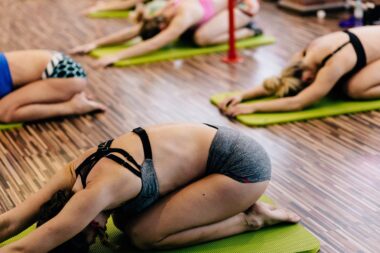
Additionally, some women mistakenly overlook their mental health during the postpartum period. Fitness is not solely a physical endeavor, and emotional well-being plays a significant role in success. Postpartum depression or anxiety can severely impact motivation and physical activity levels. Seeking professional help or connecting with a support group is crucial for addressing these issues. Practicing self-care and prioritizing mental health should also be integral to your fitness journey. Integrating mindfulness techniques like yoga and meditation can enhance emotional stability. To avoid another common blunder, consider engaging in too many high-impact activities too soon, as mentioned earlier. Such workouts may not be suitable immediately after childbirth. Instead, establishing a strong base with low-impact exercises can gradually build your strength and endurance without risking injury. Incorporating flexibility and balance training early on can also enhance your overall fitness capability. Personalizing workouts according to your unique postpartum experience is essential. Seek advice from certified trainers specialized in postpartum fitness to create a sustainable plan. Being realistic about progress helps you remain motivated while still challenging yourself appropriately without inflicting harm.
Social Support and Community
Another mistake involves dismissing the importance of social support and community during your postpartum journey. Many women feel isolated after childbirth, which can hinder motivation to stay active. Making connections with fellow mothers can provide encouragement and accountability. Consider joining local fitness classes tailored for postpartum women or online support groups. These communities can offer valuable advice, tips, and camaraderie. Remember, sharing your struggles and successes can foster a sense of belonging. Some may also neglect the significance of progressive overload in their fitness routines, causing stagnation. Progressive overload involves gradually increasing the intensity, duration, or frequency of your workouts. This principle is key to building strength and endurance effectively. Avoiding stagnation is crucial for long-term success and adaptation, so consistently challenge yourself within safe limits. Lastly, don’t overlook the importance of rest days. While consistency is vital, allowing adequate recovery time is equally important. Overtraining can lead to injuries and emotional burnout, which could set back your fitness goals significantly. Establish a balanced routine that includes rest; your future self will be grateful for it.
Furthermore, many postpartum mothers often forget the significance of mixing different types of workouts into their routines. Focusing solely on one type of exercise can lead to burnout without enjoying the process. Incorporating a variety of physical activities, such as strength training, cardio, yoga, and dance, can keep workouts fresh and engaging. Additionally, combining these methods can enhance overall fitness by working different muscle groups and improving functional movements. Variety promotes not only physical adaptation but also mental stimulation. Explore various classes or home workouts that catch your interest to sustain your enthusiasm. Another common mistake is hesitating to ask for help, whether that’s during workouts or with childcare. It’s important to allow oneself grace and recognize the need for assistance, especially in the early postpartum months. Engaging a partner or family member during workout times facilitates personal fitness while ensuring your baby is cared for. This support system can help you commit more consistently to your exercise regimen. In conclusion, avoiding these common postpartum fitness mistakes can significantly enhance your journey towards long-term success and happiness.
Ultimately, embarking on a postpartum fitness journey requires patience, understanding, and commitment. Acknowledging and avoiding common pitfalls significantly facilitates long-term improvements in physical and mental health. Rushing into high-intensity routines or neglecting proper nutrition can lead to frustration and setbacks. Building a supportive community and engaging in varied workouts ensures motivation and prevents burnout. Listening to your body’s signals and incorporating rest days is vital for sustainable fitness. Remember that each mother’s experience is unique; celebrate your journey and focus on personal growth rather than comparisons. Prioritize self-care and mental health throughout this process, as they are intrinsically linked to physical success. Progress takes time, and being patient with yourself fosters a positive relationship with your body and wellness. By recognizing and addressing these mistakes, you increase your chances for lasting success. Fitness goes beyond mere numbers on a scale; it encompasses building strength, resilience, and confidence. Strive for balance in nutrition, exercise, and mental health to create a harmonious postpartum experience while achieving your fitness goals. Cherish every step along the way toward being the healthiest version of yourself.
Always remember that maintaining your well-being is not only paramount for you but for your family as well. As you model healthy habits for your children, you are contributing to their future health and wellness. Engaging in fitness is not just a task; it’s a lifestyle to embrace for both you and your children. Include physical activity in family time — go for walks together or participate in fun fitness activities that everyone enjoys. These shared moments not only keep you active but also create cherished memories. Finally, keep a journal to track your fitness journey. Documenting struggles, successes, and feelings can provide insight into your motivations and intentions. Analyzing your entries can reveal patterns that help you adjust your approach as needed. It can also be an excellent way of celebrating milestones that can motivate you to push through challenges. Remember that managing postpartum recovery and fitness is an ongoing process, and seeking help when necessary is essential. With focus, determination, and awareness of common mistakes, you will thrive on your postpartum fitness journey, ensuring well-being for yourself and your family for the future.