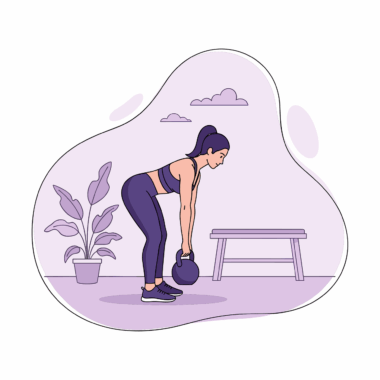

Morning Routines to Boost Flexibility for a Better Workday
Beginning your day with a focused morning routine can greatly enhance your flexibility and mobility, especially if you’re a desk worker. Integrating targeted stretches and mobility exercises into your morning regimen will help alleviate stiffness and improve your range of motion. Start with simple stretches focusing on major muscle groups like your hamstrings, quadriceps, and back. This can be done while still in bed! Gradually incorporate movements such as torso twists and shoulder rolls. Consider a brief yoga session or Pilates workout, which emphasizes balance and flexibility. These practices not only enhance physical capabilities but also foster mental clarity, setting a positive tone for the day. As you proceed with these exercises, focus on controlled breathing, inhaling deeply and fully from your diaphragm. Staying hydrated is also crucial as it supports muscle function. A good morning routine doesn’t just prepare your body for the workstation but also impacts your productivity for the day ahead. Aim to dedicate at least 15-20 minutes to these activities to maximize your benefits. With consistency, you will soon notice significant improvements in both flexibility and overall wellness.
After preparing your body through focused stretching, it’s vital to consider how you position yourself during the day. Ergonomics should be a priority in your workspace setup. The right desk and chair can dramatically impact how well your body feels throughout the workday. Invest in a good quality ergonomic chair that supports your lower back while maintaining proper spinal alignment. Your desk should be at elbow height when you’re sitting or standing. Using adjustable desks can be extremely beneficial for encouraging movement, allowing you to alternate between sitting and standing. Take regular breaks every hour for a few minutes to walk around or perform gentle stretches. This prevents stiffness and encourages blood flow. Also, remember to keep your computer screen at eye level to minimize any neck strain. It greatly contributes to reducing fatigue, enhancing focus, and maintaining good posture. While it might seem like a small detail, proper setup will lead to significant improvements in how you feel and function throughout the day. Over time, these minor adjustments accumulate to create a healthier working environment, positively affecting your overall productivity.
Implementing Short Breaks for Mobility
Integrating short breaks into your workday is essential for maintaining flexibility and mobility. These breaks should ideally involve light, dynamic movements rather than sitting idle. Set a timer for every 25-30 minutes to remind yourself to get up and move. Use this time to do some gentle stretches targeting the hip flexors and lower back, which can become tight from prolonged sitting. Walking around your office or home can also be very effective. This action not only breaks up the monotony of your workday but helps invigorate your mind. Additionally, consider utilizing apps or reminders that prompt you to stand, stretch, or do a mini-exercise session. Even short bursts of activity throughout your workday can contribute significantly to your daily flexibility goals. These breaks help rejuvenate your energy levels, improve circulation, and potentially enhance your productivity. Make it a habit to prioritize these mobility breaks; note any physical changes in your body as you consistently implement them. This commitment to movement will lead to long-term benefits for your overall health and well-being.
A crucial aspect of building a morning routine that promotes flexibility is developing a mindset of consistency and patience. Flexibility doesn’t improve overnight. It takes time to notice significant changes in your muscle elasticity and joint mobility. Create a motivational environment that reminds you daily of your goals. Use a journal or an app to track your progress. Write down your exercises, durations, and how you feel after these sessions. Celebrate small victories along the way, such as being able to stretch further than before or feeling less stiffness. This maintains enthusiasm and commitment to your flexibility program. You may also want to explore online resources or fitness communities that emphasize flexibility training; these can offer valuable insights and support. Social accountability helps in remaining consistent with your routine. You can even create a challenge amongst colleagues to inspire each other in your flexibility journeys. The journey may be slow, but every step forward leads to better mobility and increased comfort at your desk. Embrace the process and enjoy feeling more agile and flexible as you go about your day.
The Importance of Hydration for Flexibility
Hydration plays an often-overlooked role in maintaining tissue elasticity and overall flexibility. Drinking sufficient water improves muscle function, lubricates joints, and helps reduce the risk of injury. If you’re starting your day with flexibility exercises, ensure you’re well-hydrated beforehand. This will facilitate better muscle performance during your stretches. Consider carrying a reusable water bottle and setting time goals for refills throughout the day. Water-rich foods like fruits and vegetables can also contribute to your hydration efforts. Dehydration can lead to tightened muscles, which impacts your flexibility. Make it a habit to drink a glass of water before starting your morning routine, as this supports your body in becoming more pliable. Throughout the day, continue to sip on water, particularly if you work in air-conditioned environments, which can exacerbate dehydration. Your body functions optimally when adequately hydrated, which ultimately supports your flexibility goals. The combination of hydration and movement will yield impressive results over time, transforming how easily you move and perform daily tasks. Prioritize your hydration as a crucial part of your daily routine.
Incorporating mindfulness and breathing exercises can greatly enhance your flexibility training. Not only does it help your body stretch, but it also aids in focusing your mind, relieving stress and tension. During your morning routine, dedicate a few moments to practice deep breathing techniques. Inhale slowly through your nose, allowing your belly to expand, and exhale gently through your mouth. This can be done while in a comfortable position or during your stretching exercises. Mindfulness and breathing techniques increase your mental connection with your body, improving awareness of how to move and stretch. Pairing breath with movement helps ensure you are not forcing your body, but rather allowing it to ease into the stretches. Regular practice of mindfulness can enhance your body’s flexibility and promote a calm state of mind throughout your workday. Once you incorporate this aspect into your morning routine, you might find stressors from outside melting away as you gain a greater sense of peace. A balanced approach will lead to a more productive, flexible, and enjoyable day ahead.
Set Achievable Flexibility Goals
Setting achievable flexibility goals provides direction and motivation in your morning routine. Identify areas in your body that feel tight or restricted and focus on improving them. Start with realistic expectations, like increasing your reach in forward bends or decreasing tension in your shoulders. Measure your progress regularly by noting how far you can stretch or how many repetitions you can comfortably perform. This method creates a tangible sense of accomplishment, fostering a positive mindset towards your journey. Adapting your goals to be specific, measurable, attainable, relevant, and time-bound (SMART) can significantly help in maintaining motivation. Consider also joining a local or online class that focuses on stretches designed for desk workers; this provides not only structure but accountability. Sharing experiences with like-minded individuals can help sustain your enthusiasm and commitment to your flexibility journey. Remember, consistency is key in making long-lasting improvements. Together with regular assessments of your progress, your morning routine can evolve into a fantastic platform that boosts both your flexibility and overall mood. Embrace the small adjustments and celebrate milestones along the way.
Lastly, consider nourishing your body properly before you begin your day. Breakfast is a critical part of any morning routine when aiming to enhance flexibility and mobility. Consuming foods rich in healthy fats, lean proteins, and complex carbohydrates is essential for sustained energy. These nutrients support muscle recovery and growth; therefore equally important whether you are doing flexibility exercises or just working. Avocado toast, smoothies packed with spinach and bananas, or oatmeal topped with nuts are excellent choices. They help to kickstart your metabolism while providing long-lasting energy. Staying fueled keeps your body functioning well during your stretching routine and throughout the workday. Avoid sugary cereals and heavy pastries, as they can lead to a mid-morning energy crash, negatively impacting both your productivity and flexibility. Following your morning routine with a healthy breakfast reinforces your commitment to wellness and sets you up for success. A nourishing start aids in keeping spirits high, ensuring you remain alert and focused throughout your day. Ensure you provide your body with the fuel it needs all while prioritizing flexibility and mobility to foster an overall balanced lifestyle.