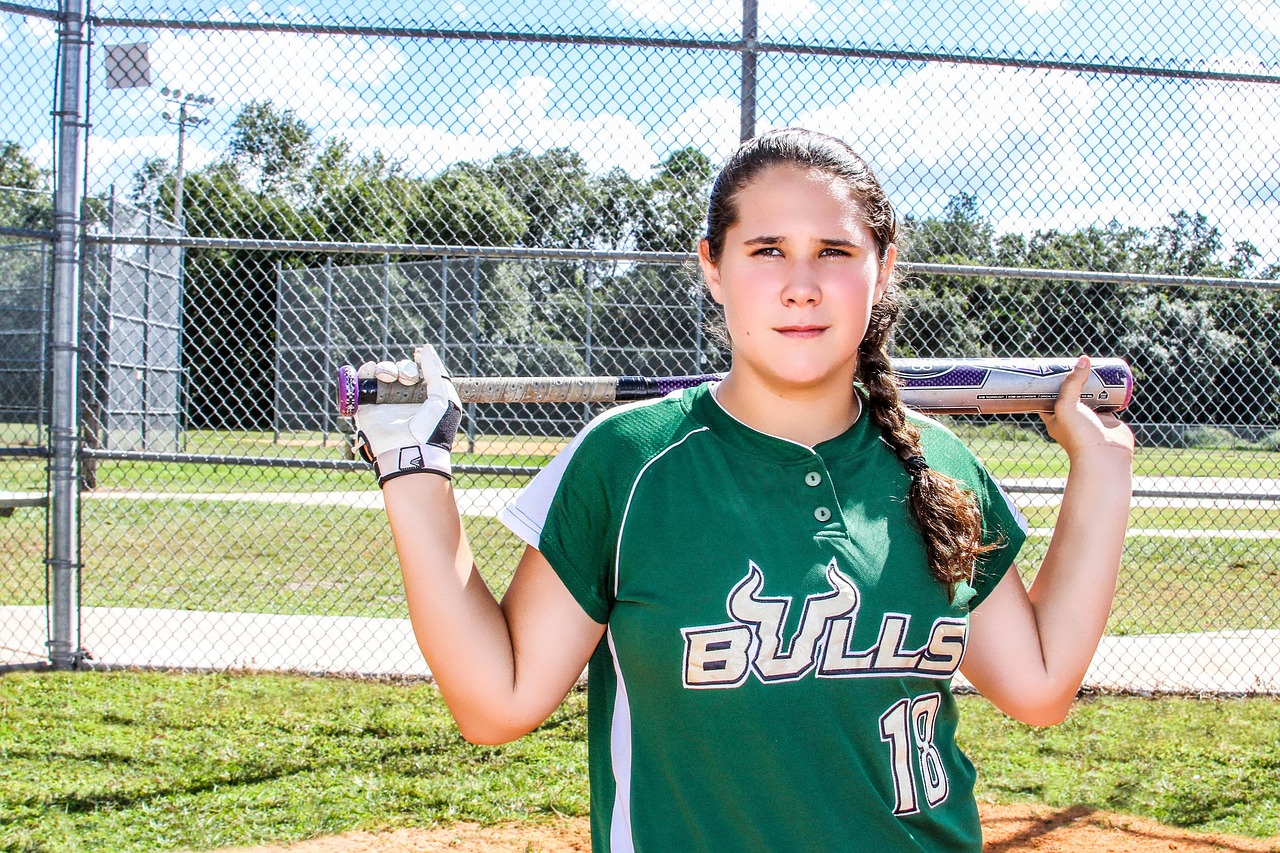

Pre-Workout Nutrition Plans for Different Types of Teen Athletes
Nutrition plays a vital role in the performance and overall well-being of teen athletes. Pre-workout nutrition is particularly crucial as it provides the necessary fuel required for different types of sports and activities. For teen athletes, understanding the specific nutritional needs based on the intensity and type of their sport is essential. Designed specifically for young athletes, pre-workout nutrition plans ensure they meet their energy requirements to excel in their performance while promoting healthy growth. Nutrient timing affects energy levels and recovery rates; thus, a proper understanding of what to eat before exercise can make a significant difference. Generally, these plans should include a combination of carbohydrates for energy, proteins for muscle health, and healthy fats for sustained endurance. Hydration also plays a critical role and should be a part of any pre-workout nutrition strategy. Knowing the importance of these components can greatly influence performance, allowing teen athletes to reach their potential. Coaches, parents, and athletes alike should prioritize education around effective pre-workout nutrition strategies to promote optimal athletic performance.
Carbohydrate-Rich Snacks for Endurance Athletes
Endurance athletes, such as those participating in long-distance running or cycling, require higher carbohydrate intake levels to maintain energy throughout their workouts. A good pre-workout meal or snack for these athletes should include foods rich in carbohydrates, allowing for optimal glycogen storage. Suggested carbohydrate-rich snacks include energy bars, bananas, oatmeal, or whole-grain bread with nut butter. It’s crucial to consume these snacks approximately 30 to 60 minutes prior to the workout to provide the best energy source during exercise. Additionally, hydration is equally important to prevent dehydration, which can significantly affect performance. Athletes may also benefit from including a small amount of protein before workouts to support muscle recovery and repair post-exercise. Staying informed about the carbohydrate needs specific to their sport can help endurance athletes develop an effective nutrition strategy that maximizes their performance. It’s worth noting that individual preferences and tolerances should be considered when creating a pre-workout meal plan. Experimentation with different foods can help athletes identify what works best for their bodies during longer training sessions, ensuring they perform at their peak level.
For strength athletes, comprising a significant portion of teen athletes participating in sports like football, wrestling, or gymnastics, pre-workout nutrition focuses on both energy and muscle support. A well-balanced pre-workout meal should ideally consist of protein and carbohydrates, helping to both fuel and repair muscle tissues. Suggested options include Greek yogurt with fruit, a protein smoothie, or whole grain toast with avocado. Consuming these types of meals about 60 to 90 minutes before beginning any rigorous activity can optimize energy levels and enhance strength performance. Combining complex carbohydrates with lean protein is also ideal to provide a sustained energy release that supports short bursts of intense exercise. Moreover, hydration remains a key aspect of pre-workout planning. Strength athletes should remain cautious of consuming too much fat or fiber close to workout time, as this may cause gastrointestinal discomfort. Ultimately, developing a tailored pre-workout nutrition plan can make all the difference between achieving personal bests and declining performance, especially during crucial training or competitive events. Educating themselves on exact nutritional requirements can lead to long-term success for teen strength athletes.
Combining Nutrition and Hydration for Team Sport Athletes
Team sport athletes face unique challenges regarding pre-workout nutrition because their performance relies on both individual skills and teamwork. In sports like soccer, basketball, or hockey, athletes require sufficient energy not only for their efforts but also to sustain performance during repeated intervals of play. Thus, a quality pre-workout meal should consist of a balanced blend of carbohydrates and protein, ensuring players get the strength and energy they need. Foods such as pasta, grilled chicken, and colorful vegetable stir-fries can make ideal pre-game or workout meals. Consume such nutritional meals about two to three hours ahead of passing. Additionally, for competition days, easily digestible snacks like granola bars, fruit, or yogurt may serve as perfect bite-sized options for the last-minute boost. It’s essential to understand hydration as a critical aspect of performance as well. Adequate hydration can enhance physical and mental performance by preventing fatigue and cramping. Therefore, team sport athletes should establish a clear pre-workout nutrition and hydration plan to maintain energy levels while remaining focused during their games.
For teen athletes participating in mixed martial arts or combat sports, specialized pre-workout nutrition is crucial. These athletes deal with intense physical demands that require a carefully planned intake of carbs and proteins to fuel performance while allowing optimal recovery. Before training sessions or matches, a meal high in complex carbohydrates, such as quinoa or brown rice, accompanied by a protein source like lean chicken or fish, is recommended. Eating approximately 60 to 90 minutes before workouts can ensure proper digestion and energy levels during the fight. Additionally, these athletes may consider including healthy fats such as avocado or nuts to aid long-term energy sustenance. Hydration is also of utmost importance; combat sports can lead to severe dehydration if fluid intake is overlooked. Athletes should utilize electrolyte-rich beverages to counteract excessive fluid loss from sweat during strenuous training. Listening to their bodies is key, as every athlete has different nutritional needs based on individual experiences. Creating focused meal plans can lead to improved energy, agility, and strength during competitions and training, leading to greater overall success for teen combat sports participants.
Nutrition Strategies for Recreational and Lifestyle Athletes
Recreational athletes, who engage in sports for fun or fitness, should focus on maintaining a balanced diet, which includes proper pre-workout nutrition as well. While they may not have the same demands as competitive athletes, they still benefit greatly from ensuring they are properly fueled for their activities. Consuming a light meal, such as a fruit smoothie or yogurt with granola, one to two hours before exercising can keep energy levels stable. It’s not only about fueling the body but about choosing options that promote enjoyment and satisfaction, contributing to overall longer-term fitness adherence. In many instances, hydration also plays an integral role; drinking water beforehand is important for optimal performance. Recreational athletes might not realize the importance of nutrient timing and hydration. Pairing enjoyable snacks with planned workouts can increase motivation and success rates. Prioritizing a positive relationship with food helps maintain energy throughout physical activities, ultimately leading to enjoyment and overall health benefits. By exploring different foods and timing their consumption, recreational athletes can discover what effectively energizes their workouts and leisure activities.
Understanding the varying nutritional needs across different types of teen athletes is essential for optimal performance. Organizational bodies such as schools and sports clubs should consider providing education about pre-workout nutrition as well as overall wellness. Collaborating with dietitians and nutrition experts can facilitate workshops emphasizing the importance of various macronutrients and meal planning. Creating an awareness of how a well-balanced diet influences performance may boost compliance and improve athletic outcomes for teen participants. Furthermore, integrating parental involvement can strengthen commitment to proper nutrition both in and outside of sports practices. Initiatives can include healthy cooking classes or incorporating family meals that focus on nutrition. Schools might organize nutrition challenges or events to encourage students to explore healthy eating habits while participating in sports. By fostering an engaging environment, athletes and their families can harness the benefits of pre-workout nutrition, leading to effective results on and off the field. Long-term practices can set the tone for healthy habits that last beyond competition, promoting not only athletic success but also overall lifetime wellness.
The continuous study of pre-workout nutrition’s impact on teen athletes’ performance remains critical. Research indicates that customized meal plans can vary based on individual needs, sports, and goals. As communities become more health-conscious, promoting awareness of effective strategies around pre-workout nutrition will be essential. Encouraging teen athletes to consult professionals in the field can enhance their diet choices and overall health. Schools and local organizations can support these goals by providing resources, information, and structures for healthy eating in active lifestyles. Initiating local workshops or seminars to discuss pre-workout nutrition, hydration, and practical cooking techniques can raise awareness about proper nutrition habits among adolescent athletes. These come together to ensure a more informed group of young athletes capable of making smart choices about their pre-workout meals. Suitable online resources and registered dietitians can support nutritious dining options for athletes. Additionally, involving teens in the planning of meals can foster skills in making healthier choices, driving home the importance of nutrition knowledge. This, in turn, empowers and encourages commitment to healthy eating, which is fundamental for developing successful athletic careers in the long run.