
Finding Quiet Spots for Long Runs in Busy Cities
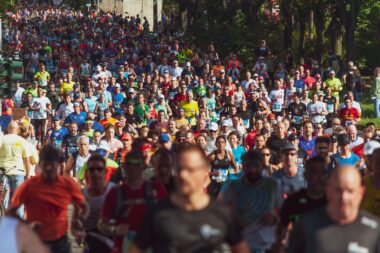
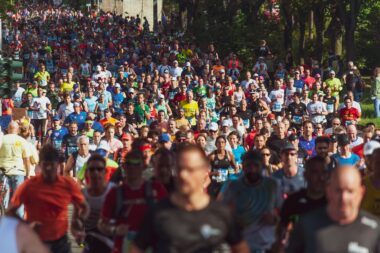
Training for a marathon in urban settings can be challenging due to the hustle and bustle of city life. However, finding quiet spots for long runs is essential to ensure both comfort and safety. Many urban runners face obstacles such as traffic and crowded parks, making their runs stressful rather than enjoyable. One effective strategy to locate quieter areas is to explore lesser-known paths such as nature trails that might exist in parks you might not typically utilize. These trails often provide a serene environment where one can escape the noise. Other options include waterfront paths or abandoned railways, which often extend over long distances. Urban neighborhoods can also be considered; by running in residential areas, you are likely to encounter less traffic. Furthermore, planning your runs during off-peak hours can greatly alleviate stress as well. By following the tips provided here, you can stay on track with your marathon training without sacrificing your peace of mind. Consider scouting potential routes ahead of time to familiarize yourself with their surroundings. The right running route can enhance your training experience significantly. Always be on the lookout for hidden gems in your city that offer tranquility.
Utilizing Parks for Peaceful Runs
Parks are a great asset when searching for quiet spots to run in cities, as they often have paved trails that are suitable for long distances. While larger parks may attract many people, smaller or more hidden parks could offer the solitude necessary for effective training. Central parks in cities can become crowded, especially on weekends. Instead, consider visiting neighborhood parks during weekdays, which are less frequented and often provide the space needed for uninterrupted runs. Additionally, some parks feature designated running paths that allow for a more organized running experience versus free-roaming environments. Utilizing a park map can help in locating lesser-known paths and scenic spots. Run along the outer edges of parks to encounter fewer people, or time your runs early in the morning or later in the evening. Nature trails within parks can also offer scenic views while providing peace away from urban chaos. Create a weekly running schedule that incorporates different parks to keep the experience exciting. Remember to stay hydrated and check park rules to remain compliant. The goal is to make running enjoyable while training efficiently. Efficient use of parks can make a significant difference in performance.
Another excellent method for discovering quiet running areas is to familiarize yourself with community resources. Several local running clubs offer group runs that may include routes through less trafficked areas. These clubs are often in touch with the best running paths that minimize street congestion. Attending these events will not only connect you with fellow runners but also introduce you to new and interesting places to run. Don’t hesitate to ask for recommendations for quiet routes that other experienced runners regularly utilize. Community events may also provide special access to areas generally unavailable to the public during certain times. You can benefit greatly from shared knowledge, which can enhance your training experience. Consider joining online running forums or social media groups where local runners discuss their favorite routes. Ensure you also consider your safety while running in more remote areas. Races hosted by running organizations often create routes through quieter neighborhoods, allowing participants to experience different aspects of their city. Stay open to trying new routes in safe environments as part of your marathon training. Most importantly, remember to enjoy the process while consistently building your mileage throughout your training.
Exploring Trail Running
Many urban dwellers may overlook the benefits of trail running as a means of achieving their marathon training goals. Unlike traditional road running, trail running immerses you in nature, providing scenic views and tranquility away from urban sound and chaos. City parks with well-maintained trails or nearby nature reserves provide excellent opportunities. The grassy trails in wooded areas often feature less foot and vehicular traffic, which enhances focus and motivation. Diverse terrains encountered while trail running will strengthen your body, supporting a robust overall performance in marathons. Various apps allow you to locate nearby trail options that you might not be aware of; this is a handy tool for discovering hidden routes. Additionally, make sure you wear appropriate trail running shoes for better grip and comfort during runs. Both physiological and psychological benefits arise from running trails, improving endurance, stamina, and overall mental well-being. Trying different trail routes regularly will diminish the risk of monotony during your training. Don’t shy away from running in diverse terrains or new locations; each run can help you become a better runner. Maintain an adventurous spirit while pursuing trail running as part of your preparation.
Finding new running routes can also be facilitated through the use of technology and apps that map running paths. Numerous apps allow runners to discover quieter paths recommended by other users who run in the same area. Using terms like “quiet runs” or “best local trails” can lead you to options less traveled. Many runners rely on platforms like Strava or Runkeeper, where you can check popular routes in your vicinity, even discovering ones that suit your pace and distance needs. Also, don’t forget the value of Google Maps; using the satellite view can help identify green spaces or trails you might have missed. Ensure that the routes selected are safe and appropriately lit, as safety remains paramount. Collaborating with friends for longer runs might also help guide you to quieter spots, improving your experience and motivation. Consider planning your runs around the city’s quieter neighborhoods, allowing for exploration while achieving your training goals. Finally, embrace the elements of discovery within your routine by venturing beyond common running paths. Regularly refreshing your training routes can have a positive effect on your preparation strategy for upcoming marathons.
Timing Strategies for Enhanced Running Experience
Timing your runs can significantly impact the experience of searching for quiet spots in bustling cities. Ideally, running early in the morning or late in the evening minimizes exposure to both noise and heavy pedestrian traffic. These times generally provide cooler temperatures, making your runs more pleasant while offering peace that won’t disturb your rhythm. It’s largely beneficial to observe local traffic patterns and identify peak hours to avoid them when planning runs. Additionally, ask local runners about hidden times when paths are generally empty. As you establish a training schedule, incorporate these strategic timing methods to optimize the effectiveness of your long runs. Diversifying the routes based on time of day could also uncover new, scenic spots to run that you hadn’t noticed before. For lunch breaks, consider brisk runs as productive stress relief while avoiding peak hours in nearby parks. Always remain vigilant and aware of your surroundings, especially during low-traffic hours. Stay engaged with your running community for shared insights on timing and routes. Navigating your city effectively while timing your runs can transform your marathon training into an enjoyable venture.
In conclusion, urban marathon training can be both effective and enjoyable when you strategically explore quiet spots for long runs. The utilization of various urban resources, including parks, neighborhoods, and trails, can help provide a diverse running experience while still focusing on your marathon goals. Discovering local running clubs and community events also serves as a great way to tap into shared knowledge. Be sure to leverage technology to effectively plan your running routes and explore the potential for new areas. Working on timing strategies ensures you experience less crowding and noise during your runs, which can drastically improve your focus. Remember to enjoy the process, as marathon training does not have to feel monotonous. Curiosity will drive you to discover new routes and develop a greater appreciation for your surroundings. As you adapt your training to cater to urban settings, you can build an enriching routine that keeps you motivated. Following the tips provided may help you find your perfect running spots while preparing for the big day. By nurturing a love for running amidst the complexities of urban life, successful marathon training becomes attainable.