
Delicious and Nutritious Salads for a Healthy Heart
Eating healthy is essential for maintaining optimal heart health, and incorporating salads into your menu can be an excellent way to achieve this. Salads are versatile, rich in nutrients, and can be created using a variety of ingredients that are packed with heart-healthy benefits. Focus on base greens like spinach and kale, which are loaded with essential vitamins, including A, C, and K. You can add colorful vegetables such as bell peppers, tomatoes, and carrots to enhance the salads’ flavor and nutritional value. Incorporating ingredients like avocados or nuts can increase healthy fats, which are vital for heart health. Aim to mix in some whole grains, such as quinoa or bulgur, for added fiber and protein. Opt for lean proteins like grilled chicken, beans, or chickpeas, to ensure that your salads remain filling without adding too much saturated fat. Experimenting with dressings made from olive oil, balsamic vinegar, and fresh herbs can elevate the taste while keeping them heart-friendly. Overall, salads offer a delicious way to nourish both your body and your heart.
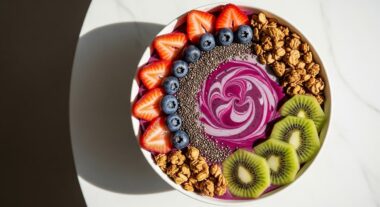
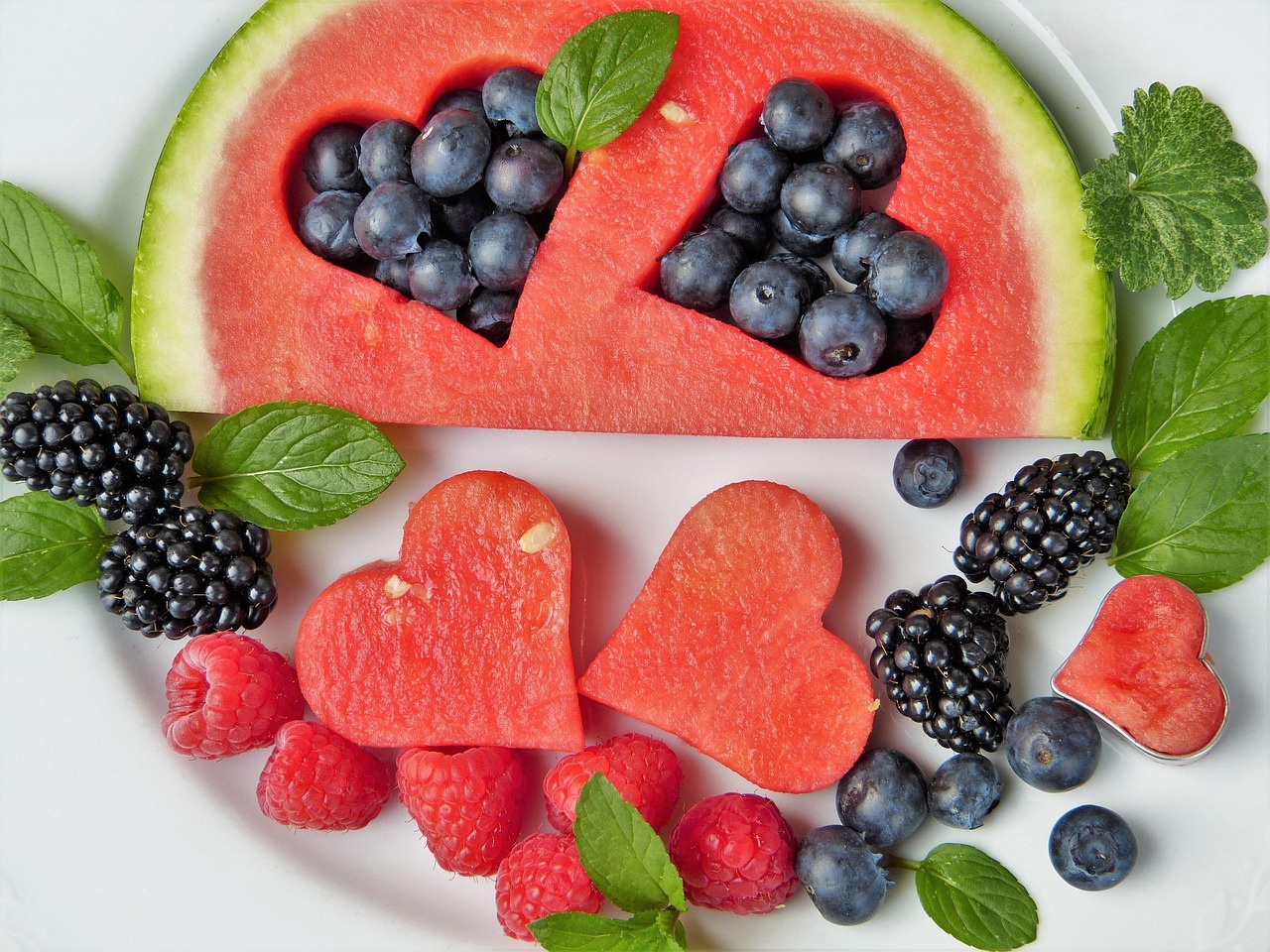
When planning salads for heart health, consider the benefits of incorporating fruits. Fresh fruits add natural sweetness to salads and provide essential vitamins, minerals, and antioxidants that support cardiovascular wellness. Berries such as strawberries and blueberries are particularly beneficial because of their high antioxidant content, which can help reduce inflammation in the body. Additionally, citrus fruits like oranges or grapefruits provide a refreshing zing while contributing fiber and vitamin C. Apples, with their soluble fiber, can effectively help lower cholesterol levels when included in salads regularly. Pairing fruits with nuts and seeds can enhance the salad’s crunch while providing a dose of healthy fats. Chia or flaxseeds can add omega-3 fatty acids, beneficial for heart health. Creative combinations, such as a spinach salad with walnuts, strawberries, and goat cheese, yield exceptional flavors while maximizing nutritional value. Don’t forget to experiment with herbs like mint or basil, which can elevate the overall salad experience. By combining different fruits and greens, you can create a delightful burst of flavors and nutrients designed for heart health. Enjoying these salads as part of a regular meal plan promotes a balanced, heart-healthy lifestyle.
Protein-Packed Salad Options
Adding proteins to your salads not only enhances the texture but also ensures that you have a well-rounded meal. Incorporate grilled salmon, which is rich in omega-3 fatty acids, into a mixed greens salad. This not only infuses flavor but also serves to lower triglycerides and blood pressure. Alternatively, consider using legumes such as lentils or black beans, both packed with protein and fiber. Including chickpeas, often found in Mediterranean salads, provides a nutritious boost and aids in digestive health. For those who prefer more traditional protein sources, grilled chicken or turkey can be excellent options. When seasoned well, they add depth and satisfaction to your meals. Additionally, consider a plant-based protein like tofu or tempeh for a vegetarian-friendly salad. Marinating these with heart-healthy ingredients can enhance their flavor significantly. Incorporating these protein-packed elements aids in muscle recovery and supports a healthy heart. The choice of protein can create diverse flavor profiles that enrich your eating experience without compromising health. Overall, proteins serve to make salads more substantial, providing energy for your daily activities.
Another fantastic way to amp up your heart-healthy salads is by adding whole grains. Grains like farro, barley, or brown rice work well in salads, providing complex carbohydrates and fiber. These grains are not only hearty but also bring an array of nutrients essential for sustaining energy levels and supporting heart health. Whole grains can help lower blood pressure and cholesterol, making them an excellent addition to any salad. Combine grains with various vegetables such as roasted sweet potatoes or roasted beets for added flavor and texture. The natural sweetness of these vegetables combined with grains creates a satisfying meal. If you prefer lighter grains, quinoa is an excellent choice, being gluten-free and a complete protein. Tossing in some nuts or seeds will not only provide healthy fats but also additional crunch. A simple dressing of olive oil and lemon juice can enhance the flavor without overpowering it. Salads like quinoa tabbouleh or barley salad with roasted vegetables can become meal favorites. Not only do these dishes diversify your menu, but they also contribute values essential for maintaining optimal heart health.
Creative Dressings for Heart Health
The dressing can significantly affect the health benefits of your salads, so opting for homemade can make a difference. Instead of store-bought dressings high in sodium and unhealthy fats, consider creating your own using heart-healthy ingredients. For a simple vinaigrette, mix olive oil with balsamic vinegar and Dijon mustard for flavor and health benefits. Olive oil is rich in monounsaturated fats and antioxidants, which promote cardiovascular health. Other dressing options include yogurt-based dressings that add creaminess without excess calories or fat. Experimenting with citrus juices like lemon or lime can enhance the freshness while providing vitamin C. Fresh herbs can also be blended into dressings, offering vibrant flavors and additional nutrients. For those who enjoy spice, adding a dash of chili flakes or ginger can elevate the overall taste experience. Incorporating seeds like sesame into dressings can provide healthy fats as well. Embrace creativity in making dressings to suit your preferences while ensuring they align with your heart-healthy goals. A delicious dressing can truly transform a simple salad into an exciting meal.
Incorporating superfoods into your salads can provide additional heart health benefits. Foods considered “super” like kale, chia seeds, and avocados offer a wealth of nutrients that are excellent for cardiovascular function. Kale is particularly high in vitamin K and various antioxidants, making it an ideal base for salads. Avocados provide healthy monounsaturated fats, which are important in maintaining optimal cholesterol levels. Including chia seeds is beneficial because they are high in omega-3 fatty acids and fiber. These seeds can absorb liquid and create a unique texture, making your salads more interesting. Moreover, consider adding ingredients like pomegranate seeds or walnuts for a delightful crunch packed with crunchiness and flavor. Both of these additions contain compounds that support heart health. You can create a well-balanced salad full of flavor, texture, and nutritional value by incorporating these superfoods. Salads rich in superfoods not only taste great but also nourish your body effectively. This strategy allows incorporating beneficial elements into your daily eating habits, paving the way for a heart-healthy lifestyle.
Conclusion: Building a Healthy Salad
In conclusion, creating delicious and nutritious salads for a healthy heart is both enjoyable and straightforward. With a mix of base greens, a variety of vegetables, proteins, healthy fats, grains, and homemade dressings, salads can easily become a staple of your diet. By focusing on whole food ingredients and superfoods, you significantly enhance the heart-healthy benefits of your meals. Experimenting with diverse flavors allows for endless possibilities, making every salad unique and exciting to consume. Remember to listen to your body and incorporate foods that nourish you and promote health. The combination of colors, flavors, and nutrients in your salads can create dishes so good you won’t believe they’re healthy. By maintaining a balanced approach in salads and meals, you promote not only heart health but overall wellness. Taking steps towards healthier eating habits significantly improves quality of life and longevity. Enjoy crafting your salads, whether for lunch or dinner, and share with family and friends. Healthy eating can be a joyful experience filled with vibrant and fulfilling dishes that support your heart’s needs.
To ensure your heart remains healthy, prioritize including salads in your daily meals. As part of a balanced diet, salads can easily be incorporated during lunch or dinner to provide a beneficial source of nutrients. Experiment with various seasonal ingredients to keep things fresh and exciting. With heart-healthy recipes at your fingertips, you’ll have an unlimited source of healthy meals ready in no time. Whether you enjoy them as a main course or a side dish, the flavors and textures of salads truly shine through when made with care. Invite family and friends to join you in exploring new combinations and share the health benefits along the way. Together, you can create heart-healthy habits that will last a lifetime, bringing enjoyment to every bite. So let salads become a regular fixture in your kitchen, satisfying your taste buds while fulfilling your nutritional needs. With creativity and a commitment to health, you can enjoy preparing and eating salads that are as beneficial for your heart as they are delicious. Embrace a lifestyle rich in nutrients, and make it a point to keep your heart healthy while relishing every meal.