
Kung Fu and Its Influence on Popular Culture
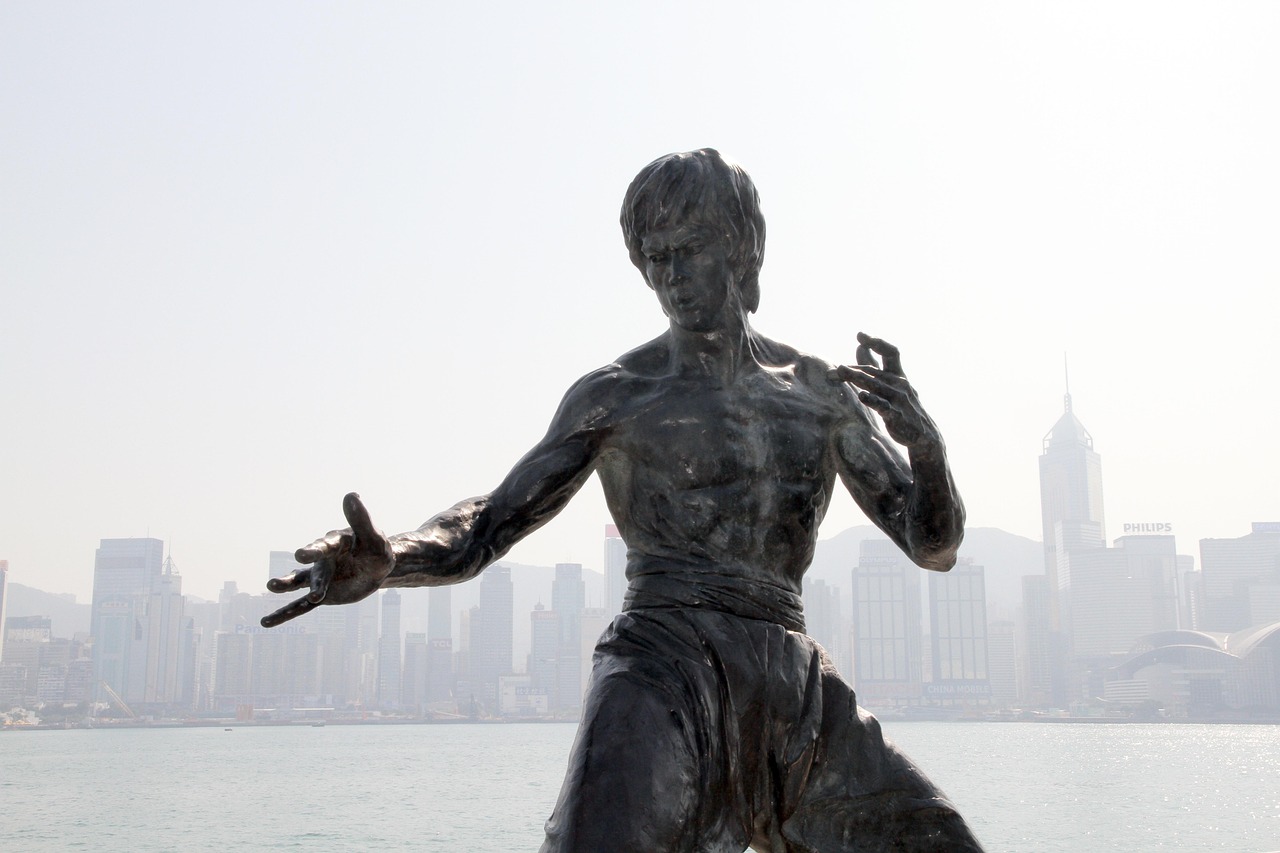
Kung Fu, an ancient Chinese martial art, has significantly influenced popular culture worldwide. Its roots trace back to the Shaolin Temple, where monks developed various combat techniques for self-defense and spiritual growth. Over the years, Kung Fu evolved into numerous styles, each embodying unique philosophies and techniques. The global fascination with Kung Fu began in the 20th century, largely due to the proliferation of martial arts films and practitioners. Key figures, like Bruce Lee and Jackie Chan, played pivotal roles in introducing Kung Fu to mainstream audiences. They not only highlighted the beauty and effectiveness of the martial art but also elevated its status within the cinematic world. The representation of Kung Fu in film often combines physical prowess with philosophical elements, creating a mesmerizing spectacle for viewers. With the rise of martial arts programs and competitions, aspiring martial artists find inspiration in these cultural icons. The influence of Kung Fu extends beyond film, also impacting fashion, music, and even language. It has encouraged a growing interest in Asian cultures and philosophies, demonstrating the power of martial arts to bridge cultural divides and promote understanding.
Beyond the films and performers, Kung Fu’s cultural significance is especially pronounced in contemporary media. Video games, for example, frequently feature Kung Fu as a central element, allowing players to immerse themselves in dynamic martial arts experiences. Titles like “Street Fighter” and “Tekken” showcase characters who draw upon various martial arts principles, including Kung Fu, showcasing its influence within the gaming industry. These portrayals often highlight the complexity and depth of Kung Fu, as characters employ intricate moves and philosophy in their fighting styles. Additionally, the rise of online streaming services has facilitated the availability of classic Kung Fu films, allowing new generations to discover the artistry behind these works. Modern creators often borrow themes and aesthetics from the Kung Fu tradition, integrating them into contemporary storylines in movies and animated series. Music videos and performances also draw inspiration from Kung Fu choreography and stylized fighting sequences. This widespread recognition not only serves to entertain but also raises awareness of the rich history behind Kung Fu and its significance in martial arts culture, encouraging viewers to further explore its teachings and techniques.
The Global Impact of Kung Fu Films
Kung Fu films have undeniably altered the landscape of global cinema, fundamentally shifting the perception of martial arts. Initially, these films appealed primarily to niche audiences, yet their popularity soon exploded beyond Asian markets. This shift introduced audiences to intricate fight choreography, intense storytelling, and vibrant visuals that captivated viewers worldwide. Iconic films such as “Enter the Dragon” and “The 36th Chamber of Shaolin” are celebrated for their artistry and the way they portray Kung Fu’s philosophical aspects. These films often involve journeys of mastery, self-discovery, and the importance of principles like humility and respect. As a result, not only do they entertain, but they resonate with audiences on deeper levels. Increased interest in Kung Fu has led to a surge in martial arts academies worldwide, fostering genuine appreciation and understanding of these practices among enthusiasts. Additionally, various elements of Kung Fu aesthetics have permeated other film genres, blending action with comedy and drama. This fusion highlights how Kung Fu has become a universal language within cinema, breaking cultural barriers and creating a shared excitement among audiences of diverse backgrounds.
Moreover, the style of Kung Fu and its numerous techniques and forms have influenced the choreography of countless films, not limited to martial arts alone. Directors frequently incorporate Kung Fu elements into their action sequences, enhancing the dramatic impact of fight scenes regardless of the genre. For instance, movies like “The Matrix” integrate Kung Fu seamlessly into their narrative, showcasing the martial art’s prowess in fantastical scenarios. This blend of special effects with traditional Kung Fu techniques creates a thrilling visual experience that captivates audiences. The philosophy behind Kung Fu often underpins these narratives, exploring themes of balance, power, and the struggle between good and evil. By doing so, filmmakers not only deliver gripping entertainment but also impart valuable lessons derived from Kung Fu’s rich heritage. Costume design and cinematography further celebrate this martial art. Many films adopt traditional Chinese aesthetics, showcasing the beautiful garments worn by martial artists. Each visual component contributes to a product that resonates with fans and newcomers alike, reinforcing Kung Fu’s lasting legacy in film and popular culture.
Kung Fu’s Influence on Fashion and Lifestyle
In addition to cinema, Kung Fu has left its mark on fashion and lifestyle. The classic attire worn by martial artists, including the ubiquitous Kung Fu uniform, has inspired various designers and fashion enthusiasts. Traditional styles were often characterized by comfortable materials, flowing lines, and vibrant colors that reflect the practitioner’s dedication to the art. As the fascination with Kung Fu grew, its aesthetic transcended cultural boundaries, blending with modern fashion trends. Many clothing brands have incorporated Kung Fu-inspired elements into casual wear, bringing these cultural aspects into everyday life. This crossover displays a deep appreciation for the elegance and functionality found in Kung Fu attire, providing comfort during physical activities. Furthermore, workouts inspired by Kung Fu principles have gained traction, demonstrating the practical application of this martial art in fitness regimes. Classes often include dynamic movements and forms derived from Kung Fu, emphasizing mental and physical well-being. Fitness enthusiasts appreciate the holistic approach to health that Kung Fu promotes, often fostering communities centered around shared interests. This blending of lifestyle and martial arts illustrates the continuous relevance of Kung Fu in contemporary society.
The philosophical aspects of Kung Fu have also permeated various avenues beyond physical health. The teachings focus on discipline, respect, and perseverance, qualities sought after in personal development and growth. Many individuals have turned to Kung Fu for not only self-defense training but also guidance in overcoming life’s challenges. These lessons extend into daily life, impacting workplace dynamics and interpersonal relationships. As people incorporate Kung Fu philosophy into their lifestyles, they cultivate an awareness of mindfulness and self-control. This integration encourages both personal exploration and connection to others, creating a shared understanding among practitioners. Furthermore, mindfulness practices within Kung Fu promote mental clarity, reducing stress in today’s fast-paced world. Self-defense techniques empower individuals to embrace their physicality and confidence, embodying the spirit of Kung Fu in their interactions with others. The resilience and determination learned through Kung Fu equip individuals to navigate difficulties, fostering a sense of community and mutual respect among practitioners. This holistic approach to martial arts demonstrates that Kung Fu is much more than a combat practice; it’s a pathway to personal discovery and growth.
The Future of Kung Fu in Global Culture
As we look to the future, the enduring appeal of Kung Fu continues to resonate within global culture. New generations are drawn to its unique blend of artistry, philosophy, and physicality, ensuring that this martial art remains significant in modern society. The proliferation of online platforms has facilitated access to Kung Fu resources, enabling potential practitioners to learn from the comfort of their homes. This evolution supports both traditional practices and innovative expressions of Kung Fu that adapt to contemporary sensibilities. Continued exploration of Kung Fu through various mediums, including art, music, and literature, showcases its versatility and relevance. Enthusiastic creators are increasingly engaging in collaborations with martial artists, resulting in fresh interpretations of Kung Fu within contemporary narratives. Events and competitions worldwide that celebrate Kung Fu also ensure its visibility and encourage participation, fostering global dialogue about its cultural richness. The impact of Kung Fu extends beyond mere martial arts; it communicates deeper values that challenge boundaries. As such, it is not just a relic of the past, but a living tradition that evolves, inspiring individuals to connect across differences and find common ground through its universal teachings.
Conclusively, the influence of Kung Fu in popular culture signifies much more than its engaging choreography and techniques. It embodies a powerful link that connects individuals across different cultures, facilitating shared experiences and mutual understanding. Kung Fu serves as a symbol of empowerment, offering valuable life lessons through its practices. The narratives captured in films and other artistic expressions inspire both practitioners and audiences to delve deeper into the philosophy surrounding the martial art. The essence of Kung Fu reflects discipline, respect, and perseverance, resonating with individuals in diverse contexts. The adaptation of Kung Fu in modern contexts reiterates its enduring legacy, fostering appreciation for tradition while encouraging innovation. As the world becomes increasingly interconnected, the teachings of Kung Fu will continue to bridge cultural gaps, serving as a reminder of our shared humanity. The ongoing exploration and embrace of Kung Fu inspire people to pursue self-improvement, creating communities that celebrate diversity and unity. Thus, Kung Fu remains an invaluable component of popular culture, serving as both a martial art and a philosophy that encourages individuals to embody its teachings in their lives.