
Integrating Wearable Devices with Adaptive Fitness Apps
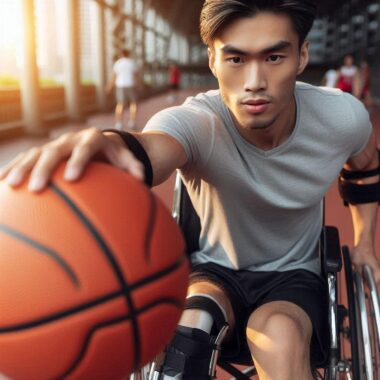
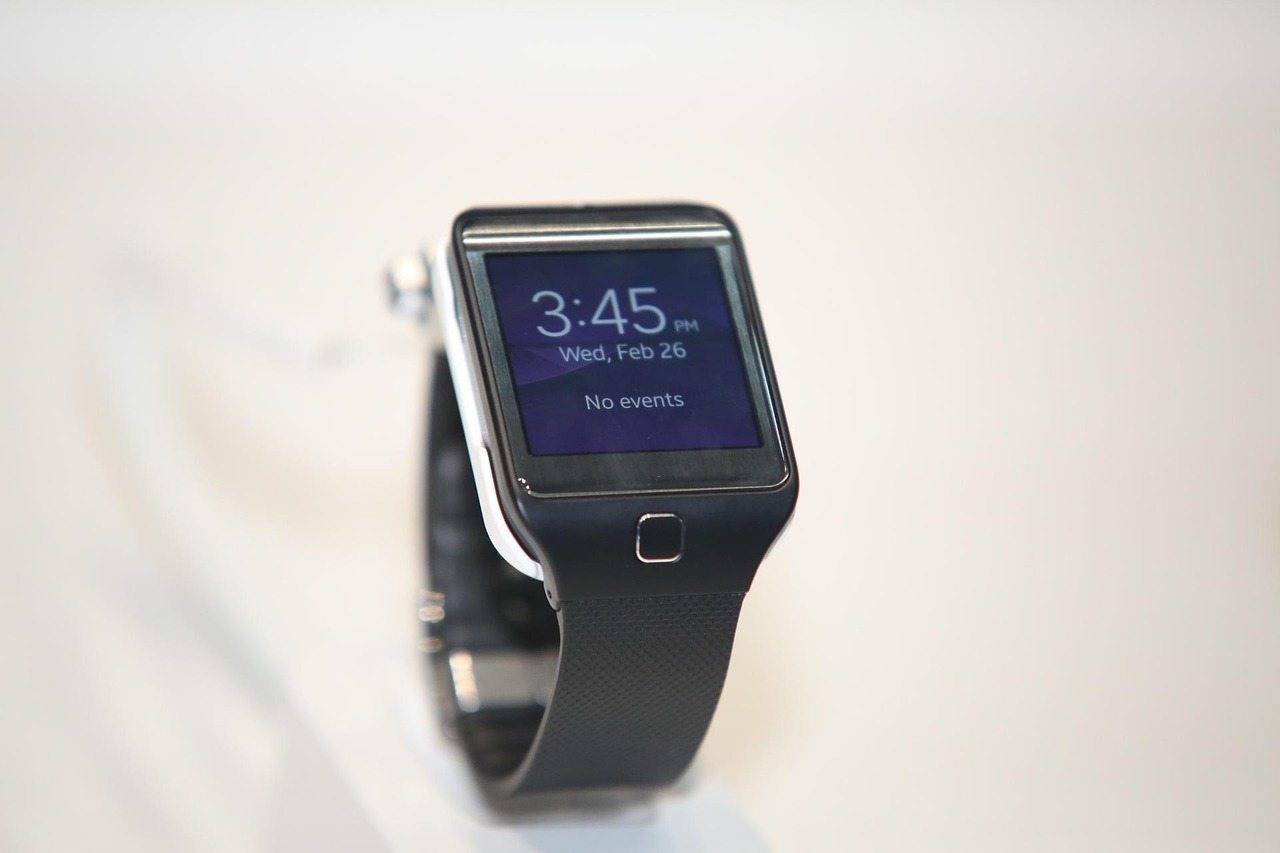
Wearable devices have dramatically changed how fitness is managed, especially within adaptive fitness programs. These devices enable users with disabilities to track their health metrics effectively, fostering inclusivity. Modern wearable technology includes smartwatches, fitness trackers, and biometric sensors, which collect vital information about heart rates, steps taken, and calories burned. For individuals with disabilities, wearable devices are tailored to meet specific needs, offering customized feedback. In combination with adaptive fitness apps, they provide a platform where users can monitor their progress and set achievable goals. Integration is key; data collected from wearables feeds directly into adaptive fitness applications.
This integration permits real-time analysis, ensuring that users can adapt their workouts based on immediate feedback. The data can reveal patterns, helping trainers and users make knowledgeable decisions regarding exercise routines. Moreover, adaptive fitness applications often feature customization options, allowing users to select workouts that best suit their abilities and preferences. The comprehensive nature of this technology encourages consistent engagement, which is essential for attaining fitness goals. Communities have also emerged around these applications, where users can share experiences and motivate each other—making fitness not just a personal journey but a social one. Thus, wearable integrations can improve motivation significantly.
Adding to the advantages, the combination of wearables and adaptive fitness apps offers users a multitude of features that enhance the fitness experience. Users can easily access tailored training plans and nutrition guidelines designed explicitly for their needs. The apps can also include reminders for hydration breaks or cool-down periods to prevent injuries. Most importantly, some users may have specific health concerns, and syncing wearables with fitness apps allows for easy monitoring of these parameters. This not only augments safety during workouts but also builds confidence among users grappling with disabilities. Therefore, the seamless integration of these devices creates a holistic fitness ecosystem.
Benefits of Synchronization
Synchronization between wearables and adaptive fitness applications fosters a sense of empowerment among users with disabilities. Tracking progress is immensely rewarding and encourages adherence to workout regimens. Users get to see their achievements graphically displayed, with statistics showcasing milestones like improved strength or increased endurance. This feature is more than just numbers on a screen; it represents a tangible reflection of the hard work and commitment users have contributed to their fitness journeys. Furthermore, ongoing tracking encourages a growth mindset by illustrating that even small achievements contribute to overall success in fitness goals.
The positive reinforcement provided by immediate feedback through these integrations plays a crucial role in building self-esteem and resilience. For instance, if a user notices an increase in their walking speed or enhanced flexibility, it reinforces their ability to push through challenges. This steady rapport with the fitness apps fosters a sense of accountability, leading to more responsible behavior towards health and fitness. Additionally, customized workout guidelines based on collected data improve the efficiency of workouts, ensuring that users do not overexert themselves. Adaptive fitness thus becomes a tailored experience rather than a one-size-fits-all method. The adaptability of workouts becomes a reassuring option.
Enhanced Community Interaction
The integration of social components within adaptive fitness apps is crucial for users with disabilities. Many applications support forums and sharing features, allowing users to connect and share their successes and struggles. By empowering users to discuss their journeys, these platforms create supportive communities. Users can find companions for exercise or even group classes designed for various ability levels. Such connections not only foster social engagement but also enhance the overall fitness experience. When users see others overcoming similar challenges, it fuels motivation and reinforces the idea that fitness is achievable regardless of limitations.
Community interaction also serves as a platform for shared resources. Many apps allow users to exchange adaptive techniques or personal training stories, creating a repository of valuable information. By cooperating, users can identify exercises or routines that have worked effectively for others, expanding their understanding of adaptive fitness. This kind of communal knowledge enhances both individual and collective experiences, ensuring users find methods that resonate with their goals. Social affiliations not only contribute to physical improvement but also mental well-being, fostering a positive outlook on life and fitness in general. Hence, community interaction is essential in adaptive fitness contexts.
Lastly, it’s essential to consider the future of integrating wearables with adaptive fitness apps. As technology continues to advance, it is likely that future developments will bring even more sophisticated features designed to cater to the diverse needs of users with disabilities. Upcoming advancements might include enhanced biofeedback capabilities and AI-driven personalized adaptation of workouts. Such innovations would further empower users to take control of their health, providing them with tools that align closely with their individual objectives. Embracing these technologies now can lead to expanding the horizons of adaptive fitness, transforming not only individual lives but also communities.