
HIIT Workouts Tailored for Different Age Groups
High-Intensity Interval Training (HIIT) is a dynamic workout format that can dramatically enhance cardiovascular fitness and improve strength. However, adapting HIIT routines to accommodate varying fitness levels is crucial, especially among different age groups. Seniors may require modified exercises that lower injury risk while maintaining the effectiveness of their workout. Implementing intervals that are both challenging and achievable allows for progression without overwhelming the body. Similarly, younger individuals or teens might seek more vigorous and explosive movements, which can maximize muscle development and endurance. This tailored approach enables HIIT to be efficient and safe across all age spectrums. Understanding the physiological differences between age groups aids trainers in creating personalized routines. For example, incorporating strength-based activities that emphasize form is beneficial for older adults, while youth may thrive on agility and speed drills. Additionally, the support of a certified trainer can guide participants in maintaining proper technique during workouts. This not only fuels motivation but also ensures safety. Ultimately, adapting HIIT appropriately fosters an inclusive fitness environment for everyone, enhancing the overall well-being of individuals of all ages.
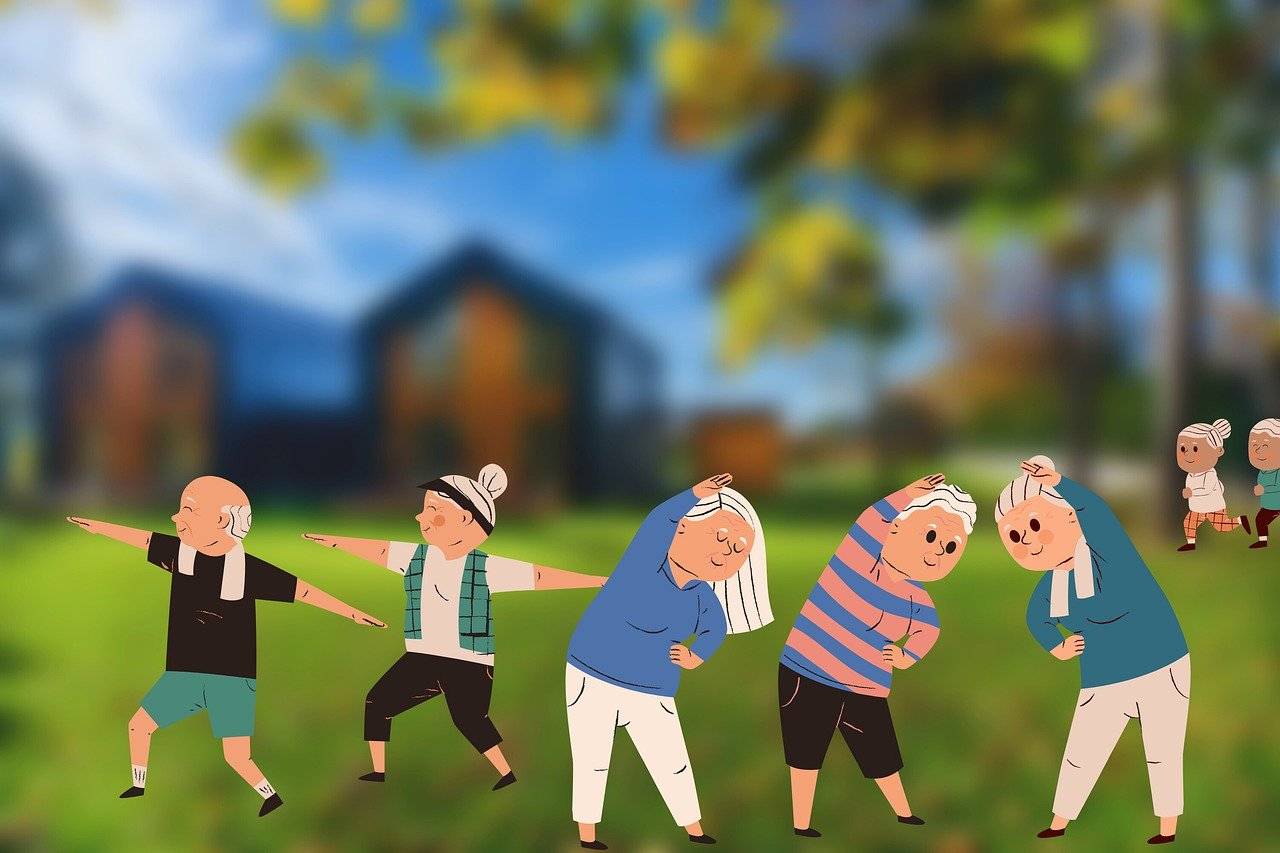
For older adults, applying suitable adjustments to HIIT routines can make a significant difference. Engaging in low-impact versions of high-intensity exercises can minimize stress on the joints while still promoting aerobic fitness. Some advantageous modifications include chair workouts, where participants perform exercises while seated, and resistance exercises using light weights or bands. These adaptations can cater directly to the physical capabilities of older participants while sustaining the effectiveness of the HIIT format. Adding longer rest intervals is another essential modification, allowing adequate recovery time without compromising the workout’s intensity. HIIT for seniors can also take advantage of bodyweight exercises like wall sit or slow squats, which focus on strength without overwhelming the cardiovascular system. Moreover, integrating flexibility and balance training into HIIT sessions fosters functional movement and can greatly benefit everyday activities. Tailoring the sessions encourages seniors to remain active, reducing risks of ailments associated with sedentary lifestyles. It’s critical to always consider individual health conditions and seek medical clearance before commencing any HIIT program. In conclusion, thoughtful adjustments to HIIT can create an efficient fitness journey for older adults, nurturing longevity and vitality in their lives.
HIIT Adaptations for Youth and Teens
When crafting HIIT workouts for youth and teens, the emphasis tends to be on fostering athleticism while preventing injury. Engaging younger individuals in fun and intense workouts can promote a lifelong appreciation for fitness. Activities like relay races, tag variations, and playful HIIT drills can keep the energy high and maintain interest. Introducing agility ladder drills or cone drills can also enhance coordination and speed essential for sports performance. Furthermore, using shorter intervals with ample rest time can sustain motivation and energy levels during training. Including partner exercises or team-related activities adds a social element, making workouts feel less like chores and more like enjoyable social gatherings. These strategies can instill a sense of teamwork, helping foster bonds among participants. It’s important to create a balanced routine that includes strength training, endurance drills, and flexibility work. Additionally, monitoring the intensity through engaging feedback helps ensure that participants aren’t pushed beyond their limits. Educating young individuals about the importance of recovery reinforces healthy habits. By understanding their body’s needs, they will learn to embrace fitness responsibly, guiding them towards lifelong health and fitness habits.
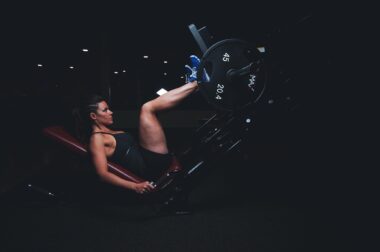
As adults engage in HIIT workouts, they often seek routines that challenge their fitness levels while improving physical performance. Integrating varying intensity levels within a single session allows participants to alternate between periods of high exertion and lower intensity recovery. This approach not only aids in fat loss but also boosts metabolic rates post-exercise. Examples of suitable HIIT exercises for adults include jump squats, burpees, or kettlebell swings. These movements can be adjusted in intensity based on each individual’s capabilities. Another critical component is the environment where HIIT workouts occur, which can significantly impact motivation. Outdoor HIIT sessions often provide fresh air and versatile terrains, making workouts more appealing. Alternatively, indoor classes can offer an energetic group dynamic that encourages participants to push their boundaries. Ensuring workout diversity, such as incorporating music or competitive elements, can further enhance motivation. Moreover, adults should be educated about the importance of hydration and nutrition before and after workouts. Proper fueling leads to optimal performance and recovery post-workout. Taking these variables into account can significantly elevate the HIIT experience for adult participants.
Maintaining Safety in HIIT
Safety is a crucial aspect when adapting HIIT routines for different age groups. It’s paramount for trainers to assess each participant’s fitness level, pre-existing conditions, and any prior injuries before creating a HIIT regimen. Offering introductory sessions can allow participants to gradually adapt to the intensity and familiarize themselves with various movements. Proper warm-up and cool-down routines should never be overlooked, as they prepare the body for exercise and promote recovery afterward. Selecting a safe environment, free from hazards, is equally important. Space should be spacious enough to allow for various movements without restriction. Trainers should also emphasize proper form to prevent injuries during execution. Regardless of age, using mirrors or video demonstrations can help participants visualize correct techniques. Close supervision from trained professionals can ensure that participants are executing exercises safely. Encouraging participants to listen to their bodies is critical; adjusting intensity levels or taking breaks when needed can significantly reduce the risk of injuries. Ultimately, focusing on safety can transform HIIT from a potentially risky endeavor into a beneficial and enjoyable fitness experience.
One of the compelling features of HIIT is its adaptability, making it accessible to everyone. In addition to being modified for age, HIIT can also accommodate various fitness goals, from weight loss to muscle gain. This makes it an ideal option for diverse populations. For those aiming to decrease body fat, HIIT routines can emphasize cardio-intensive activities. Conversely, individuals focused on building strength may choose resistance-oriented exercises while maintaining intensity. Incorporating a variety of equipment, such as resistance bands, dumbbells, or medicine balls, can also make workouts more engaging. Furthermore, transitioning from bodyweight to weighted exercises offers a way to adapt as participants progress in their fitness journey. Regular assessments of fitness levels provide necessary feedback for creating challenging yet achievable workouts. Group settings can amplify motivation, encouraging individuals to push through barriers. Establishing goals and celebrating milestones fosters a supportive community around fitness. By illustrating the versatility of HIIT, trainers can actively promote a sustainable fitness culture that resonates across different demographics, inspiring participants to embrace their fitness journeys wholeheartedly.
Conclusion
In conclusion, adapting HIIT workouts for various age groups and fitness levels is essential for promoting inclusivity in fitness. Understanding the unique needs of seniors, youth, adults, and diverse demographics allows trainers to design effective and engaging routines. Each participant’s journey is individualized, ensuring that everyone can benefit from HIIT training. The focus on safety and modifications enhances both the effectiveness and enjoyment of workouts. By fostering a supportive environment, participants of all ages can progressively challenge themselves and achieve their fitness goals. Education plays a pivotal role, empowering individuals to make informed decisions regarding their health and exercise habits. Creating a community around HIIT further establishes a motivational setting that encourages consistent attendance and participation. Incorporating technology, such as fitness apps and wearable devices, can also support tracking progress while motivating participants. HIIT is not just about high intensity; it’s about creating an inclusive atmosphere where everyone thrives. With thoughtful planning and execution, HIIT can usher in enhanced fitness and well-being for individuals across every age demographic, enriching their lives and ensuring a healthier future.
Images are essential in illustrating the varied HIIT exercises tailored for each age group. Including visuals of participants performing modified workouts ensures that individuals can connect with the routines. Utilizing diverse imagery can also promote inclusivity while attracting potential participants interested in HIIT. The aesthetic appeal of HIIT sessions can spark motivation and garner interest in joining various workouts tailored to individual capabilities. Images of groups working harmoniously during sessions can portray the community aspect, making fitness feel approachable and exciting. Furthermore, considering the emotional aspect, visuals can evoke an atmosphere of empowerment and achievement, inspiring others to take the leap into fitness. Ensuring a well-rounded approach to HIIT not only enhances physical fitness but also uplifts mental health. Combining fitness with imagery that resonates can enhance communication and connection with audiences. Social media platforms and websites can leverage these visuals to inspire users and drive engagement. Ultimately, combining pictures with HIIT content is vital for driving participation and creating a vibrant, supportive fitness culture, encouraging people to start their own fitness journeys.