
Understanding Muscle Symmetry in Bodybuilding
Muscle symmetry is an essential aspect of bodybuilding, referring to the proportional development of muscle groups throughout the body. This balance in muscular development leads to a more aesthetically pleasing physique. To achieve this, bodybuilders must consider their training strategies and recovery routines. Often, one side of the body can become dominant, resulting in muscular imbalances. These imbalances can be due to various factors, including genetics, physical activity, and habitual movements. Incorporating stretches into muscle training routines helps address these imbalances. Stretching increases flexibility, reduces soreness, and enhances the overall efficiency of workouts. It also promotes a better range of motion, which is crucial for performing exercises correctly. Incorporating a range of stretches targeting different muscle groups can drastically improve flexibility. Focusing on symmetry allows bodybuilders to effectively target regions lacking development. This balanced approach not only improves appearance but also prevents injuries. Understanding different stretching techniques and their benefits can empower athletes to cultivate symmetry and overall athletic performance. This article explores how purposeful stretching affects muscle symmetry, ultimately aiding in achieving their bodybuilding goals.
The Role of Stretching in Pre-Workout Preparation
Before embarking on intense workouts, the importance of stretching cannot be overstated. Stretching as part of a warm-up routine prepares the body physically and mentally for the exercises to follow. Engaging in dynamic stretching helps to increase blood flow to the muscles, raising their temperature and enhancing elasticity. As a result, flexibility improves, enabling bodybuilders to perform movements with greater precision. Additionally, stretching reduces the risk of strains and sprains while enhancing coordination. A well-designed dynamic stretching routine should incorporate movements that mimic exercise patterns planned for the workout. This can include walking lunges, arm circles, or leg swings. Furthermore, these stretches help activate the muscle groups that will be used, ensuring optimal performance and muscle engagement. Bodybuilders who take the time to stretch properly are more likely to achieve muscle balance and establish good form during their workouts. Additionally, stretching can also enhance mental focus. As bodybuilders incorporate stretching into their routine, they improve muscle functionality and create a strong foundation for achieving muscle symmetry.
Post-Workout Stretching for Balanced Muscles
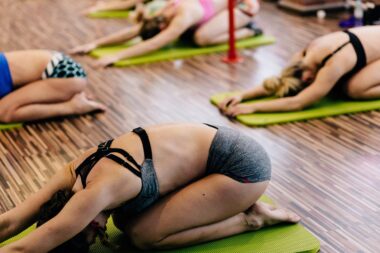
After a rigorous workout, the importance of post-workout stretching cannot be overlooked. Engaging in static stretching helps relieve muscle tension and can facilitate recovery. During intense lifting sessions, muscles can become tight, leading to fatigue and soreness. Incorporating stretches post-exercise elongates the muscles, allowing them to recover more efficiently. This practice can also reinforce muscle symmetry over time, promoting balanced development on both sides of the body. Different types of static stretches can be performed, targeting each major muscle group used in the workout. Holding stretches for 15 to 30 seconds can promote flexibility and alleviate post-workout discomfort. Regular static stretching not only aids recovery but also enhances circulation, nourishing muscles with essential nutrients. This is important as building muscle requires oxygen and nutrients. Therefore, supporting the healing process through effective stretching is vital to achieving longer-lasting results. Bodybuilders must prioritize post-workout stretching and incorporate it into their cool-down routines to prevent neglecting muscle symmetry. By consistently practicing post-exercise stretching, bodybuilders invest in their development and overall health.
The Impact of Flexibility on Muscle Development
Flexibility and muscle development are intricately linked, making stretching vital for all athletes, especially bodybuilders. Flexible muscles can contract more effectively during lifts, which enhances overall performance. When muscular groups are flexible, they experience reduced tension, resulting in improved strength and contraction capabilities. Additionally, adequate flexibility allows for better range of motion during exercises, leading to more effective weight lifting techniques. This is crucial for targeting specific muscles correctly. When flexibility is neglected, bodybuilders may struggle with lifting heavier weights, which can adversely affect muscle symmetry. Muscles that are tight can restrict movement, causing compensations and imbalances as they adapt to the limitations. Stretching not only improves flexibility but also stimulates muscle growth by enhancing circulation and nutrient delivery to the targeted areas. Bodybuilders who incorporate stretching into their training regimens tend to see enhanced results over time. Flexibility also helps in preventing injuries, which can disrupt progress and training consistency. Thus, cultivating a comprehensive plan that includes a focus on flexibility is crucial for any bodybuilder seeking optimal symmetry and muscle development.
Types of Stretching Techniques for Muscle Symmetry
Stretching techniques vary, each serving different purposes and benefits for muscle symmetry within bodybuilding. Dynamic stretching, often utilized during warm-ups, includes movements like torso twists and leg kicks. These movements prepare muscles for action, boosting circulation and flexibility. Conversely, static stretching focuses on holding stretches at the end of workouts. This helps elongate tight muscles and promotes relaxation. Additionally, PNF (Proprioceptive Neuromuscular Facilitation) stretching combines static stretching and isometric contractions. This technique is particularly effective in enhancing flexibility by increasing muscle length and encouraging overall balance in development. Incorporating different types of stretching can lead to well-rounded muscle growth. Athletes should personalize their stretching routines based on specific needs, ensuring that each muscle group receives attention. It is recommended to integrate both dynamic and static stretching throughout the training process. Proper programming can maximize benefits, reducing the risk of injury while enhancing muscle symmetry. When combined with resistance training, a well-structured stretching routine can lead to significant improvements in physical performance. Ultimately, understanding the various types of stretching techniques empowers bodybuilders to make informed choices for their routines.
Common Mistakes When Stretching
Despite the benefits of stretching, many bodybuilders often make mistakes that hinder their progress toward achieving symmetry. One major mistake is rushing through stretches without proper form. This not only reduces the effectiveness of the stretches but can also lead to injuries. Another common issue is neglecting specific muscle groups. For optimal symmetry, all major muscle groups should be addressed. Skipping certain stretches often contributes to imbalances within a bodybuilder’s physique. Additionally, holding stretches for insufficient time can limit the benefits gained from flexibility training. It is essential to hold each stretch long enough to allow the muscles to relax and elongate. Also, failing to breathe properly during stretching can limit oxygen flow to the muscles, reducing their ability to recover. Hence, maintaining deep, controlled breaths enhances relaxation and effectiveness. Bodybuilders must also be aware of stretching when muscles are cold, which can lead to strains. To avoid these mistakes, bodybuilders should incorporate a structured stretching routine into their training plan, emphasizing proper technique. By focusing on stretching consistently, they can develop a balanced and symmetrical physique.
Creating a Balanced Stretching Schedule
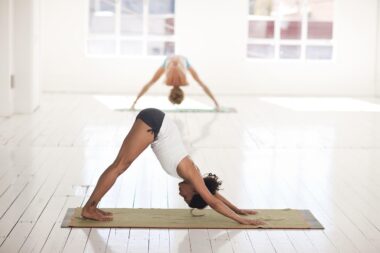
Designing a structured stretching schedule is essential for any bodybuilder seeking muscle symmetry. This involves determining how frequently and when to incorporate stretching into training regimens. A well-rounded approach should include dynamic stretching during warm-ups and static stretching post-workout. Ideally, bodybuilders should aim to stretch for at least 10 to 15 minutes before and after every training session. However, additional flexibility sessions can further enhance results. Notably, yoga or dedicated flexibility classes can provide varying stretches and techniques while promoting recovery and relaxation. Bodybuilders should also listen to their bodies and adjust their stretching routines based on personal progress and discomfort levels. It is essential to be proactive in identifying tight areas that require extra attention and focus. Consistency is crucial in this process; regular stretching leads to long-term flexibility improvements. Different phases of training, such as bulking or cutting, may also require adjustments to the stretching schedule. By creating a balanced stretching plan, bodybuilders can enhance performance levels while working toward achieving optimal muscle symmetry. Ultimately, utilizing a tailored stretching plan can foster growth, recovery, and long-lasting results.
Final Thoughts on Stretching for Muscle Symmetry
In conclusion, stretching plays a pivotal role in aiding muscle symmetry and overall development in bodybuilding. As this article outlines, incorporating various stretching techniques can enhance flexibility, allowing for better performance during workouts. By integrating stretching strategically into pre- and post-workout routines, bodybuilders can create a solid foundation for their training. Addressing common errors linked to stretching is vital for progress, helping to prevent injuries and enhancing recovery. Importantly, developing a structured stretching schedule ensures that all muscle groups are addressed consistently, fostering balanced development. Additionally, improved flexibility translates into stronger muscle contractions, aligning muscle growth with aesthetic goals. Ultimately, a commitment to stretching reflects a commitment to one’s overall health and fitness journey. Enhancing muscle symmetry supports bodybuilders not only in achieving their aesthetic goals but also in improving functional strength. With dedication, incorporating stretching can lead to lifelong benefits. Regular stretching fosters flexibility, prevents injuries, and enhances overall physical performance. Therefore, it is imperative for bodybuilders to recognize that successful training goes well beyond lifting weights.