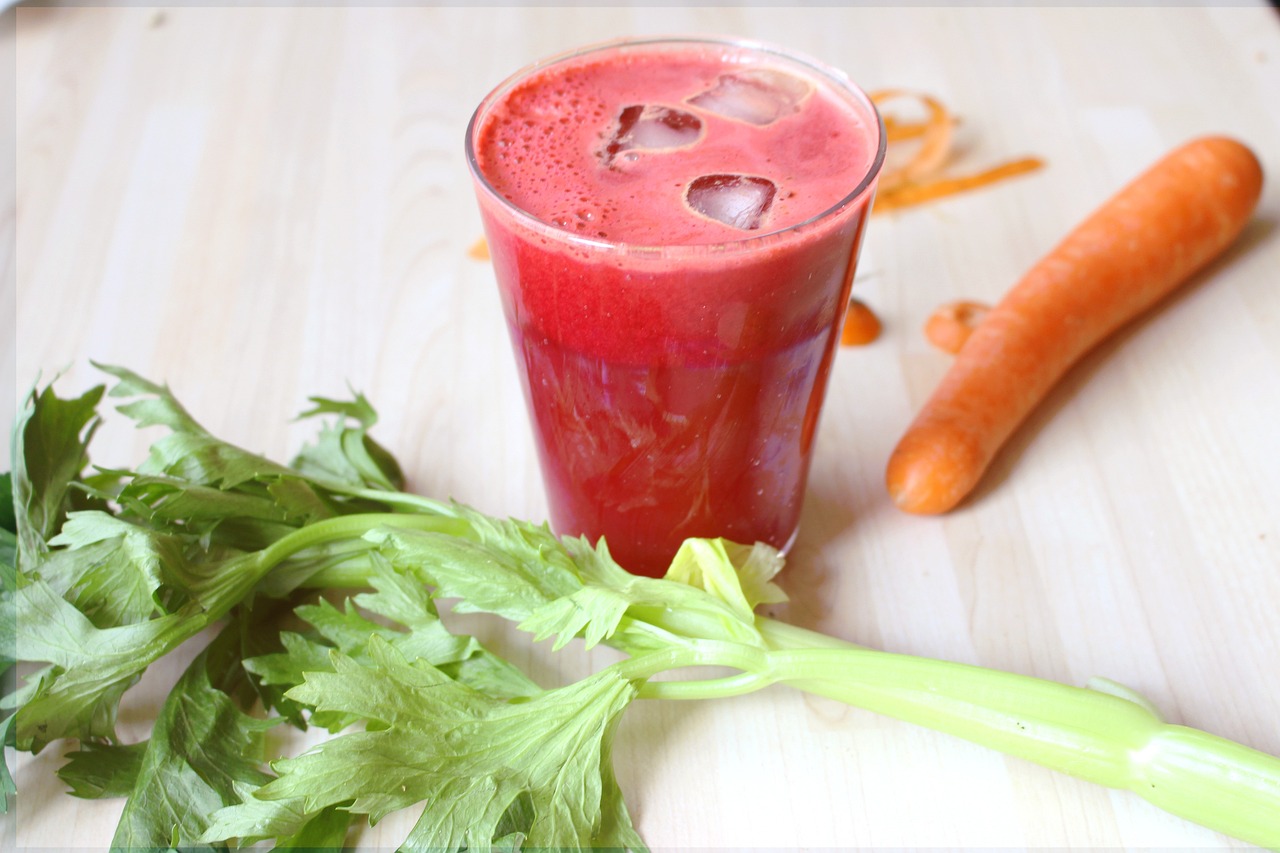

The Science Behind Detoxing After Holiday Eating
The holiday season often leads to unhealthy eating habits, resulting in overeating and consuming foods high in sugar, fat, and salt. This indulgence can leave us feeling sluggish and unhappy with our physical health. Detoxing after holiday eating is a popular approach to reset our bodies and promote well-being. Scientific studies reveal that detox diets can help boost metabolism, enhance digestion, and reduce inflammation. However, it is crucial to choose methods that are safe and effective. Many detox methods often promise rapid weight loss or cleansing. Understanding the science behind detoxifying can aid in making informed choices. For most individuals, the best detox strategy incorporates whole foods, hydration, and balanced nutrition while avoiding strict and unrealistic diets. Natural detox options are often preferred as they rely on fruits, vegetables, and whole grains to promote cleansing without depriving the body of essential nutrients. Always consult a healthcare professional before beginning any detox program, particularly if you have pre-existing conditions. A well-planned detox can rejuvenate your system and provide an excellent boost for overall health.
Understanding Detoxification
Detoxification refers to the physiological or medicinal removal of toxic substances from a living organism. The liver, kidneys, lungs, and skin play vital roles in naturally detoxifying our bodies. These organs filter out waste and harmful substances daily. However, unhealthy eating and lifestyle choices can hinder their effectiveness. Detox diets aim to support these processes and help eliminate accumulated waste, toxins, and excess substances. Some of the most popular detox foods include leafy greens, berries, and herbs, which are rich in antioxidants and support various bodily functions. Hydration is equally important during detox, as water aids in flushing out toxins and improves digestion. Regular movement, such as exercise, stimulates circulation and enhances detoxification. Also, quality sleep promotes recovery and rejuvenation. Avoiding processed foods and added sugars is key to maximizing the benefits of detoxing. Many people report feeling lighter, more energetic, and focused after a detox period. Remember, your body is designed to detoxify naturally; consider temporary dietary changes to boost its efficiency instead of relying on extreme measures.
During the holiday season, it’s common to consume heavier meals, sugary beverages, and snacks, which can take a toll on the body. After indulging, many individuals experience what is often termed as “toxins” accumulating within. This condition can manifest through feelings of fatigue, bloating, and brain fog. With various detox methods available, one can easily be overwhelmed with choices, such as juice cleanses, fasting, or elimination diets. It is essential to recognize which strategies are evidence-based and help in enhancing bodily functions rather than depriving it. Consulting with a nutritionist can facilitate personalized detox plans tailored to individual needs. Additionally, incorporating mild activities like yoga and meditation can offer mental clarity and emotional balance throughout this process. It’s also essential to listen to your body and allow time for healing. Gradually reintroducing foods post-detox while maintaining healthy habits is vital to prevent relapse into unhealthy eating patterns. While detox diets can be beneficial, sustainable, balanced nutrition should be the primary focus. A long-term commitment to overall health will lead to lasting changes in one’s well-being.
Choosing the Right Detox Method
Not all detox diets are created equal, and the effectiveness of these methods can vary greatly. It’s vital to consider personal health conditions, dietary preferences, and lifestyle before selecting a detox approach. Some individuals may benefit from short-term juice cleanses, while others may find success with solid food detox diets focusing on whole, nutrient-dense foods. Always prioritize methods that nourish the body instead of those that promise extreme results. A well-rounded detox involves increasing hydration, especially through water, herbal teas, and broths. Replacing processed foods with fruits, vegetables, and whole grains can provide necessary nutrients while promoting digestive health. It’s also essential to consider how long the detox will last and the potential implications of returning to regular eating patterns. For many people, moderation is key. In addition to dietary changes, consider lifestyle factors like improving sleep quality and incorporating movement. These elements will complement any detox effort, making the results more sustainable. Listening to your body’s signals will guide you in making the best choices suited to your individual needs, ensuring a successful detox experience.
When embarking on a detox journey, monitoring one’s emotional responses is equally important. The mental aspect of detoxing can sometimes be overlooked, yet it significantly influences success. Creating an environment that supports your goals, minimizes temptations, and fosters positive habits can make a considerable difference. Detoxing may initially evoke feelings of deprivation; however, focusing on the benefits can help shift this mindset. Keeping a journal to document your journey can offer clarity and encourage accountability throughout the process. Moreover, surrounding yourself with supportive individuals who share similar health goals will serve as an added motivation. It can also be helpful to maintain awareness of why you initiated this detox journey. Whether for detoxification, resetting eating habits, or simply clearing the mind, reaffirming these motivations can bolster commitment during challenging times. Another effective strategy is set realistic goals and celebrate small achievements during the detox period. Understanding that a successful detox is also about nurturing the mind and spirit is vital. Striving for balance rather than perfection will empower you to embrace healthier habits long after the detox ends.
Long-Term Benefits of Detoxing
The benefits of detoxing extend beyond the immediate physical changes. After completing a detox, individuals often report increased energy levels, improved mood, and a stronger connection with their bodies. Regular detoxification practices can support long-term health by minimizing the burden of processed foods and toxins in our systems. Positive outcomes include better digestion, clearer skin, and weight management. Detoxing can also fine-tune taste preferences, making healthier options more appealing while reducing cravings for unhealthy snacks. Once accustomed to whole foods, individuals may find themselves less inclined to return to previous eating patterns. Additionally, consistent detox practices can enhance mental clarity and emotional resilience. By establishing a routine that prioritizes health, individuals foster lifelong habits that contribute to overall well-being. Engaging in seasonal detox habits can become a part of an overall wellness strategy, allowing for recovery and reflection following indulgence. As a result, detoxing can play a crucial role in cultivating a healthy lifestyle aimed at preventing chronic conditions and promoting longevity. Ultimately, balancing health and enjoyment can lead to a fulfilling relationship with food that celebrates nutrition and wellness.
Detoxing after holiday eating can be a powerful and rejuvenating experience when approached mindfully and informedly. It’s not merely about restricting food intake; rather, it’s about selection and nourishment. Empowering oneself with knowledge regarding what truly benefits one’s health lays the groundwork for a successful detox journey. Making gradual changes, educating oneself on nutritional choices, and prioritizing whole foods can create a solid foundation for long-term success. Transitional detox strategies, such as incorporating more vegetables into meals or replacing sugary snacks with healthy alternatives, can significantly enhance the detox experience without causing undue stress. Respect your body’s natural rhythms and introduce new habits progressively, allowing ample time for adjustment. A successful detox is not just a fleeting trend; rather, it is a pathway to a lifestyle centered around nutrition and vitality. As you engage in this process, remain mindful and patient. Celebrate the journey you take towards better health, empowering yourself along the way. Embrace imperfections and ensure a connection with your body, understanding that it’s okay to indulge occasionally. Ultimately, a sustainable approach to health creates a fulfilling balance that promotes growth and rejuvenation.