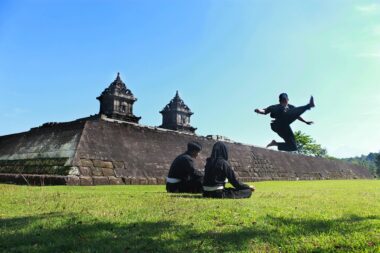

Famous Silat Practitioners and Their Impact on Martial Arts
Silat, a traditional martial art originating from the Malay Archipelago, is widely recognized for its dynamic movements, intricate footwork, and mental discipline. Among the various practitioners of Silat, a few have risen to international acclaim, significantly influencing not just their disciplines but also the world of martial arts at large. One notable figure in Silat is the Indonesian master, Haji Muhammad Mughni Nonog. His dedication to Silat led him to develop his own style, combining traditional techniques with his interpretations of modern combat. Nonog’s unique approach has helped elevate Silat’s prominence outside Indonesia, appealing to international enthusiasts. Another influential practitioner, Zulkifli S. Said, who is widely regarded for his ability to blend self-defense techniques with performing arts, has inspired countless students across Asia and beyond. By hosting workshops and seminars, Said effectively bridges the gap between entertainment and martial arts, underscoring Silat’s versatility. These practitioners serve as ambassadors of Silat, showing its importance in strengthening mental focus and physical agility, reinforcing its relevance in contemporary martial arts practices and self-defense trainings.
The Cultural Significance of Silat
Beyond its physical prowess, Silat embodies rich cultural narratives that express the history and identity of its practitioners. Many Silat forms are accompanied by traditional music and dance, reflecting the deep relationship between martial art and cultural expression. Practitioners often perform intricate routines during cultural festivals, showcasing their skills while also preserving their heritage. This interconnection between Silat and local culture has cemented its status as a symbol of pride among Malay and Indonesian communities. Additionally, Silat’s teachings emphasize values such as respect, humility, and community service, molding practitioners into responsible individuals. Renowned masters often pass down these values alongside teachings of combat techniques, ensuring that the art form’s integrity is maintained across generations. Furthermore, Silat has become an important tool for cultural diplomacy, showcasing the beauty of Southeast Asian traditions on international platforms, combating stereotypes, and fostering understanding. With its unique blend of artistry and discipline, Silat will continue to flourish, influencing both practitioners and the broader landscape of martial arts worldwide. Today’s Silat practitioners are not only martial artists but also cultural ambassadors striving to uphold their indigenous customs.
One of the most prominent names in modern Silat is Pendekar Paul D. Wang, who has worked tirelessly to promote and teach this martial art across the globe. Known for his expertise and innovative training methodologies, Pendekar Wang founded the “Silat for Life” organization, which aims to teach self-defense principles through the lens of Silat. His tailored approach uniquely adapts traditional techniques for urban self-defense needs, making them applicable to a wider audience. Wang’s initiative has led to the formation of various clubs and schools dedicated to Silat in Europe and North America, which further solidifies the art’s international presence. Beyond teaching, Wang emphasizes the importance of community building through Silat practices, creating a sense of belonging for diverse practitioners. By fostering inclusivity, his organization encourages practitioners from different backgrounds to appreciate and learn Silat techniques that align closely with their personal experiences and environments. Through these efforts, Silat continues to evolve while staying true to its roots, creating a dynamic and enriching martial journey for all participants.
Contemporary Competitions and Events
With the rise of globalization, Silat has found its way into international competitions, showcasing the skill of practitioners worldwide. Events like the World Silat Championship have provided a global platform for various styles and renditions of Silat, spurring fierce but respectful competition among participants. These competitions have not only elevated the sport but also stimulated interest in its traditional aspects, merging martial efficiency with athletic performance. By participating in such events, Silat practitioners encounter diverse techniques from around the world, enriching their own skills. This platform promotes unity among martial artists, transcending cultural and geographic boundaries, as they share techniques and styles. Competitors often highlight their cultural heritage during performances, introducing audiences to traditional Silat movement and philosophy. The championships also offer workshops and presentations led by esteemed masters, facilitating deeper understanding and appreciation of Silat’s intricacies. Hence, competitions serve as an educational hub, mutually beneficial for novices and experienced martial artists alike. These events underscore the importance of camaraderie within the martial arts community, reinforcing the idea that the true spirit of Silat lies in respect, mutual learning, and collaboration.
Legendary practitioner, Master A. Rahman Syahir, has played a seminal role in revolutionizing training techniques in Silat. Rahman, recognized for his philosophical approach, believes that mastering physical techniques starts with cultivating mental discipline. He often emphasizes that the practice of Silat extends beyond combat skills, promoting personal development and self-awareness. Through workshops and seminars, Rahman adeptly combines traditional philosophy with modern training methods, addressing contemporary challenges faced by martial artists. His innovative training curriculum incorporates mindfulness practices, enhancing practitioners’ mental resilience while sharpening their focus during competition. Rahman also stresses adaptability, ensuring that his students can evolve along with changing societal dynamics. In addition to his teachings, Rahman’s contributions include writing numerous articles on Silat philosophy, further enriching its literature. He advocates a balanced approach, allowing practitioners to develop techniques while simultaneously fostering their spiritual growth. Rahman’s holistic understanding of Silat has inspired many and positioned him as a thought leader in martial arts training. His journey reflects the evolving legacy of Silat as not only a method of self-defense but a pathway toward personal and communal harmony.
Integration with Modern Self-Defense
The adaptability of Silat to various contexts, including self-defense, has fueled its rising popularity in recent years. With a focus on practical techniques to handle real-life confrontations, many practitioners have begun integrating Silat into their self-defense regimes. Unlike traditional martial arts that may emphasize forms and sequences, Silat’s fluid movements and emphasis on timing make it especially effective in unpredictable environments. Various self-defense instructors have adopted Silat techniques, merging them with broader strategies aimed at empowering individuals to protect themselves. Workshops dedicated to Silat for self-defense highlight crucial scenarios that practitioners may face, enhancing their situational awareness and response capabilities. Furthermore, Silat’s principles are valuable to various demographics, including women and families, who seek safe and effective means of self-protection. Many self-defense courses now include Silat techniques, recognizing its effectiveness in close-quarter situations. Social media platforms have also played a role in amplifying awareness of Silat as a viable self-defense method. The collective efforts of instructors, practitioners, and self-defense advocates highlight Silat’s dynamic potential in today’s rapidly evolving world, ensuring it remains relevant for future generations.
In recent years, the influence of Silat has also permeated the world of cinema, showcasing its artistry and effectiveness on screen. Films that feature Silat have garnered international acclaim, serving to further ignite interest in this traditional martial art. Notable martial arts movies have employed Silat practitioners as choreographers and performers, bringing authenticity to fight scenes. Prominent examples include films like “The Raid,” where Silat’s combative techniques are showcased, exposing audiences to its captivating complexity. These depictions not only entertain but also educate viewers about Silat’s cultural significance. Furthermore, such exposure encourages martial arts enthusiasts to explore Silat as a discipline, prompting them to seek out training opportunities. As more filmmakers incorporate Silat into their productions, it establishes a narrative that celebrates cultural heritage and martial ingenuity. In essence, these cinematic representations help to immortalize Silat’s ethos, making it more accessible and appealing to global audiences. Consequently, the crossover between Silat and film enriches its cultural tapestry while promoting its core principles, inspiring future generations of practitioners.
As the global interest in Silat continues to grow, so does the commitment to preserve and promote its legacy. Efforts such as the establishment of Silat associations worldwide have ensured that the art form retains its authenticity while adapting to modern contexts. Associations play a pivotal role in certifying instructors, organizing competitions, and setting training standards that abide by traditional values. Many of these organizations strive for international recognition, working diligently to ensure Silat is acknowledged as an official sport at multi-sport events. As a result, these initiatives have attracted a new generation of practitioners eager to learn and contribute to Silat’s evolution without losing sight of its roots. These collective efforts signify an enthusiastic embrace of Silat while encouraging a critical dialogue about its future. Moreover, collaborations between traditional masters and contemporary martial artists create a rich dialogue that fuels innovation and creative expression within Silat. Ultimately, with a vibrant community of practitioners advocating for its sustainability, Silat stands poised to thrive, securing its esteemed place within the global martial arts realm for years to come.