
Recovery Techniques for Muay Thai Athletes
Recovery is an essential part of training for Muay Thai athletes. Incorporating effective recovery techniques helps in restoring energy levels, repairing muscles, and preventing injuries. Various methods are available, such as active recovery, nutrition management, hydration, and appropriate rest. Active recovery involves light exercises or stretching to enhance blood flow to the muscles, promoting faster recovery. Nutrition management plays a crucial role; consuming protein-rich foods aids muscle repair and recovery. Additionally, hydration ensures proper physiological functions and performance. Adequate sleep is also crucial for muscle recovery and overall health. With a dedicated recovery plan, athletes can enhance their performance and build resilience against fatigue, leading to superior results in training and competitions.
Importance of Nutrition
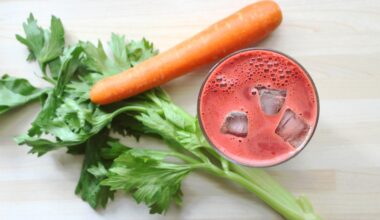
The significance of nutrition in recovery cannot be overstated. It ensures that fighters have the necessary resources for efficient recovery. After intense training sessions, the muscle glycogen levels get depleted, inciting fatigue and soreness. Consuming a balanced diet rich in carbohydrates, proteins, vitamins, and minerals facilitates optimal recovery. Foods such as chicken, fish, vegetables, rice, and whole grains are recommended for their nutritional benefits. Post-workout, athletes should focus on consuming meals or snacks containing proteins, enabling muscle healing. Additionally, hydration is vital; drinking water helps in flushing toxins from the body, preventing dehydration. Utilizing sports recovery drinks can also offer beneficial nutrients aimed at restoring energy levels promptly.
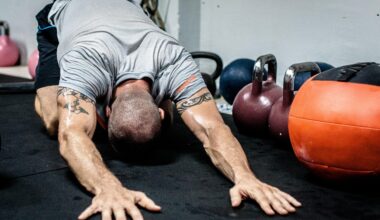
Stretching exercises play an important role for Muay Thai athletes during and after their training sessions. Each session’s cooldown is vital to the recovery process. Various stretches, including static and dynamic, can improve flexibility and blood circulation. Muscle soreness and tightness can be alleviated, enhancing range of motion when utilized regularly. Incorporating foam rolling can also assist in reducing muscle tension and promoting blood flow. Athletes can perform stretches targeting major muscle groups used in Muay Thai training to optimize muscle recovery. Deep breathing during these exercises aids relaxation, making stretching a stress-relieving practice as well. Regular stretching can help athletes maintain optimal physical conditioning.
Rest and recovery techniques significantly impact athletes’ performance that cannot be neglected. Proper sleep helps in the physical and mental healing processes essential for peak performance. Recovery plans should recognize the significance of sleep hygiene, including regular sleep hours, a cool sleeping environment, and minimized light exposure. Moreover, mental recovery methods, such as mindfulness and meditation, can alleviate the psychological pressures faced by athletes. Incorporating relaxation techniques like yoga may also facilitate recovery by combining physical and mental exercises. Athletes should learn when to rest and allow their bodies to recover adequately, especially post-intensive training sessions, to better manage stress and fatigue.
Utilizing Technology
Various technological advances can aid in recovery for Muay Thai practitioners. From wearable devices to mobile apps, technology offers tools for tracking metrics relating to recovery, sleep, and training intensity. Wearable devices can monitor heart rate variability, sleep patterns, and activity levels to provide an insight into recovery needs. Additionally, smartphone apps can offer personalized recovery strategies and reminders, promoting efficient recovery practices. Cryotherapy, a technique utilizing extremely cold temperatures for recovery, has gained popularity among athletes for its potential to reduce inflammation and pain. Implementing such technologies can enhance recovery processes and overall performance.
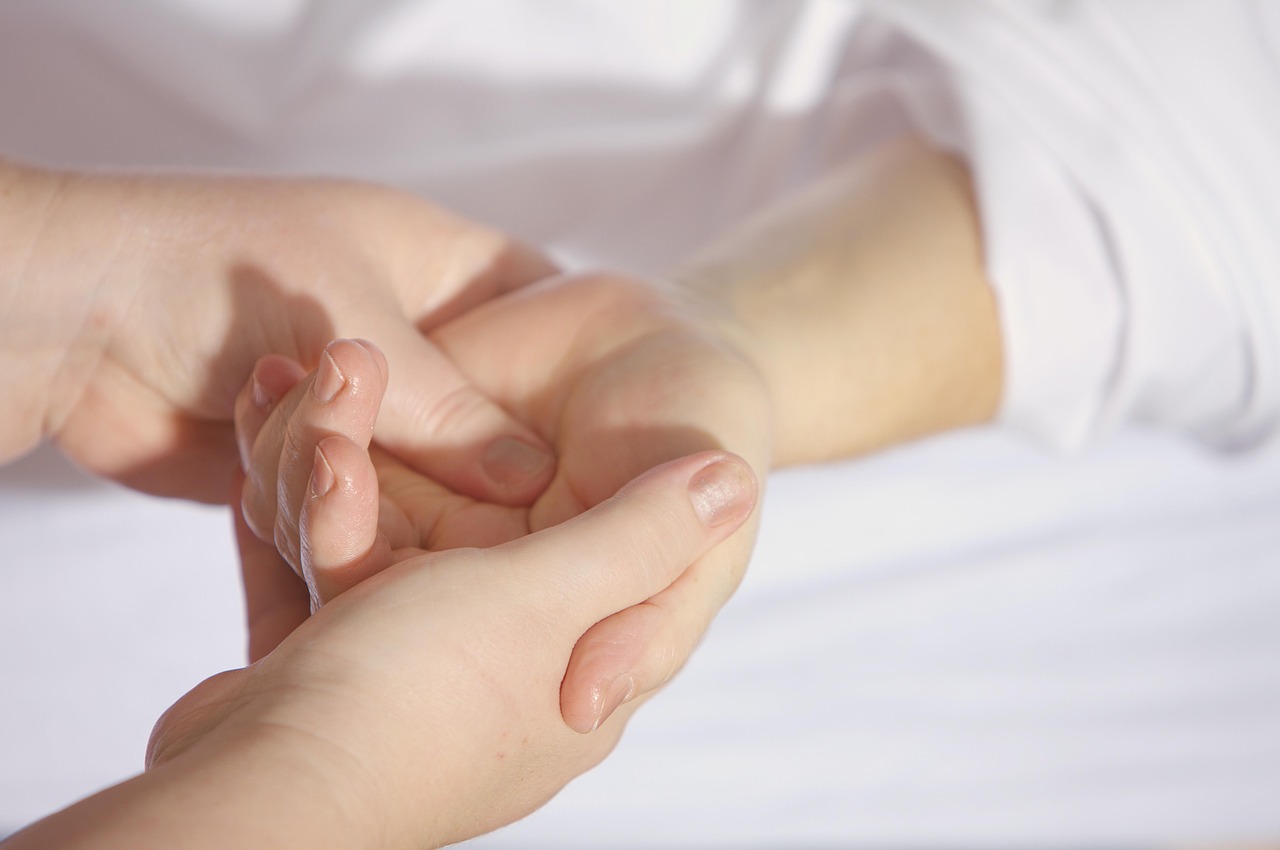
Consideration should also be given to the addition of complementary therapies to accelerate recovery. Techniques such as acupuncture and massage therapy are increasingly being integrated into athletes’ recovery regimens. Acupuncture is an ancient practice believed to alleviate pain and improve muscle recovery by stimulating various body points. Meanwhile, massage therapy improves circulation, alleviates muscle tension, and promotes relaxation. Engaging in these therapies regularly can significantly enhance recovery rates among athletes. Recognizing and adapting to different recovery requirements will optimize an athlete’s performance, longevity, and improve overall well-being.
Conclusion
Ultimately, prioritizing recovery techniques is critical for Muay Thai athletes. Incorporating proper nutrition, hydration, stretching, adequate rest, and leveraging technology is crucial in creating a personalized recovery regimen. The balance between rigorous training and effective recovery directly correlates with performance and resilience. Athletes who utilize a multifaceted approach towards recovery will likely see improved performance, greater resilience to injury, and enhanced enjoyment of their sport. Adopting these recovery techniques can set athletes on the path to success, allowing them to compete at the highest levels while ensuring their long-term health and well-being.
By prioritizing these recovery strategies, Muay Thai practitioners will not only improve their overall performance but also contribute to their longevity in the sport. Ultimately, incorporating a variety of recovery methods is essential for achieving competitive success while maintaining optimal physical and mental health. This comprehensive approach to recovery can greatly assist athletes in refining their skills and techniques. Recognition of individual recovery requirements is paramount in developing a structured recovery program dedicated to achieving personal and competitive goals throughout their athletic careers.