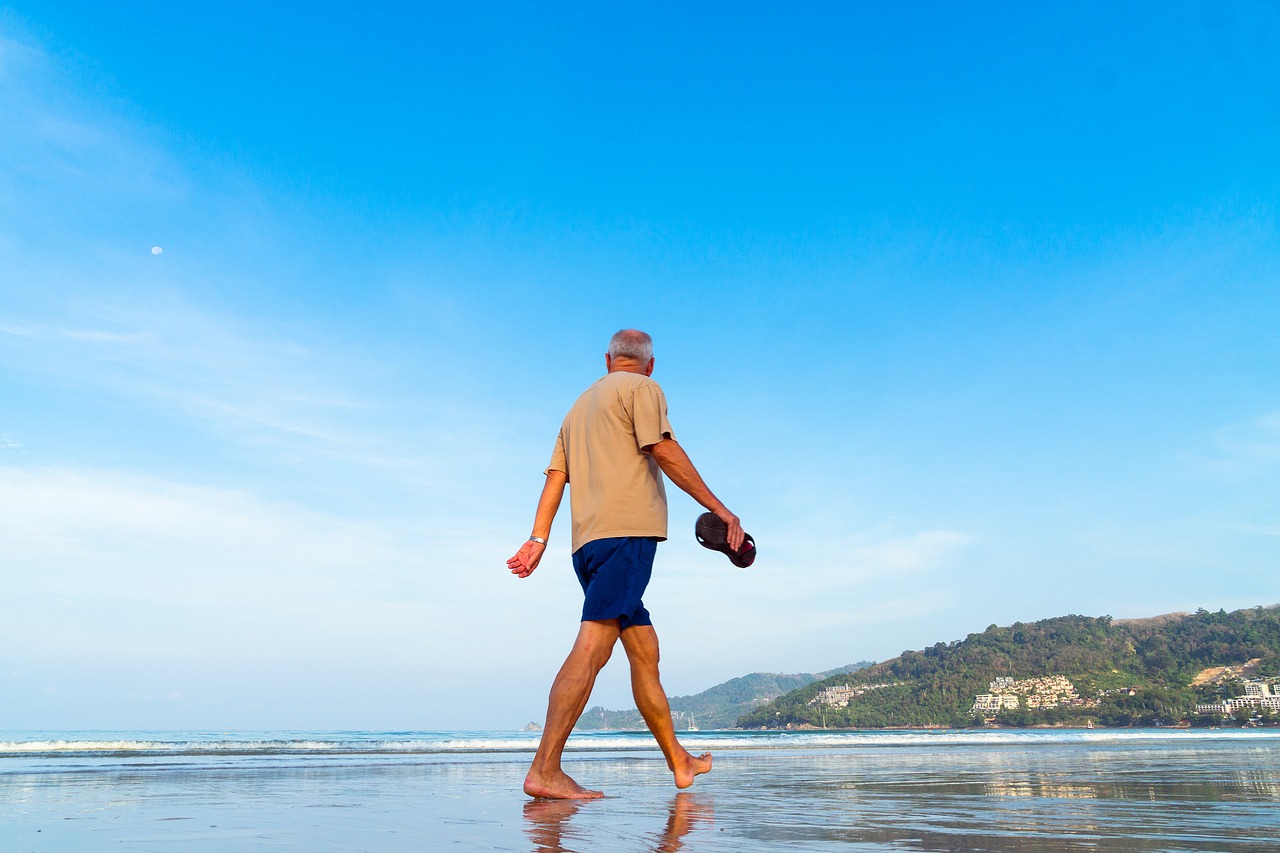

Aquatic Exercises for Balance Improvement in Seniors
Aquatic exercises are highly beneficial for seniors that struggle with balance. Water provides buoyancy, which reduces the risk of falls and helps with joint support. This aspect makes aquatic exercises an excellent alternative for seniors who might find traditional exercises too challenging. Engaging in these exercises can enhance overall physical health while specifically targeting balance improvement. The resistance of water works effectively against muscles, creating a strength-building condition without straining the body. Furthermore, the social aspects of exercising in water can contribute positively to mental well-being, fostering community connections and engagement. Regular participation in aquatic exercises also helps in improving confidence levels, allowing seniors to feel more secure when balancing. They promote cardiovascular health, flexibility, and strength, which are all essential in maintaining balance. The available options of aquatic exercises range from gentle routines to more energetic sessions. This variety ensures that seniors can find the right fit for their physical abilities and comfort level. Consulting a professional trainer familiar with senior fitness is advisable to develop the most effective and safe exercise program. The benefits of aquatic exercise are numerous, making it a worthy consideration for senior fitness routines.
One of the most common aquatic exercises for improving balance in seniors is water walking. This activity is straightforward yet effective in enhancing stability. To perform this exercise, seniors should walk forwards and backward in shallow water, allowing the water’s resistance to support their movements. As they gain confidence, they can increase the speed and distance to enhance difficulty. Another engaging exercise is the water leg lift, wherein seniors can use the pool edge for support. Standing at the pool’s edge, they can lift one leg to the front, side, and back while alternating sides. This motion not only strengthens the leg muscles but also improves coordination. Additionally, participants can try the lateral leg swing, holding onto the pool edge for balance while swinging one leg side-to-side in a controlled manner. This particular exercise helps in enhancing hip stability and core strength. These activities can be adapted and modified to fit the individual capabilities of each senior. Always ensure that water is neither too deep nor too shallow, keeping safety as a priority. Water exercises are often enjoyable experiences, making it simpler for seniors to commit to a regular exercise schedule.
Incorporating Fun Elements
Incorporating elements of fun during aquatic sessions can significantly motivate seniors to partake consistently. Utilizing water noodles or kickboards can make the exercises more engaging while also providing physical support. For instance, seniors can hold onto a noodle while performing various leg movements, adding a playful atmosphere to their routines. Another excellent way to enhance enjoyment is by introducing gentle games that involve movement, such as water volleyball or simple catch games with soft balls. This approach improves balance while fostering social interaction, leading to a more successful exercise environment. Additionally, having music during exercises can enhance motivation and make the session feel like a party, encouraging everyone to move transitionally. Plus, participating in group classes under the guidance of skilled instructors helps build a community among seniors, making them more inclined to return regularly. These connections can significantly improve their emotional health and willingness to face balance challenges. Mixing various aquatic exercises with fun elements encourages seniors to pursue their goals while enhancing their overall fitness. The social joy combined with physical activity creates a positive spiral towards improved well-being and balance.
Resistance training in the water also proves highly effective for strengthening supportive muscles, improving overall balance. Seniors can use resistance bands or water dumbbells to enhance their regular workouts. While submerged, they should perform simple exercises like bicep curls or tricep extensions, where the water provides resistance without overwhelming their joints. Working against water’s natural resistance can significantly improve muscle tone while offering a safer workout environment, making it less likely for injuries to occur. Furthermore, seniors can engage in squats and lunges while in deeper water, which increases their stability and helps develop key muscle groups supporting balance. Performing exercises that simulate functional movements can make stronger connections between muscles and improve daily activities relevant to balance. With consistency in these efforts, seniors may notice positive changes in their strength levels, coordination, and overall balance performance. A well-rounded aquatic exercise routine combines aerobic, strength, and flexibility aspects, creating a comprehensive balance improvement program. Monitoring progress is essential as well, allowing seniors to celebrate victories and stay motivated throughout their fitness journey in water.
Hydration and Safety Measures
Even though aquatic exercises provide a low-impact environment, safety measures should always remain a priority. Ensure that the water temperature within the pool is suitable, ideally between 85-87 degrees Fahrenheit, to maintain seniors’ comfort while exercising. Seniors should also remain hydrated, as they might not feel thirst in such environments, leading to dehydration. Keeping water bottles nearby and encouraging regular water breaks is vital during sessions. Additionally, seniors should wear appropriate, non-slip aquatic footwear to prevent stumbles or slips. It is also beneficial for participants to warm up and cool down before and after sessions to reduce muscle strain. Furthermore, paying attention to personal limits is crucial; seniors should never push themselves beyond their capacity. The goal is to build strength and confidence gradually, which means listening to bodies and allowing rest as needed. Each session can emphasize coordination skills distinctly, helping seniors learn to control their movements effectively. Aquatic exercises, alongside proper safety protocols, create an environment conducive to progress in balance and coordination. This balance-building journey transforms through dedication and care for individual needs.
Lastly, maintaining an attitude of patience as you undertake aquatic exercises is vital. Improvement in balance capabilities may take time, and every participant progresses differently. Acknowledging progress, regardless of how small, leads to sustained motivation for seniors. Keeping a journal can help track exercises and successes, providing a visual representation of achievements over time. Families and caregivers can play an essential role by offering encouragement and celebrating milestones with seniors. Building a support system fosters positive reinforcement and motivates seniors to strive for improvement continually. Besides personal progress, recognizing collective achievements when classes are part of community activities can enhance social engagement and shared joy. This collective spirit not only emphasizes fun but also helps diminish feelings of isolation that many seniors experience. Inclusion within aquatic exercise classes encourages a steady routine and leads to increased participation. Exercises become not only physical plans but woven experiences that promote mental wellness as well. Gradually, seniors develop greater confidence in their balance, fostering independence in other areas of their lives, leading to an improved quality of life through exercising.
Conclusion
In summary, aquatic exercises serve as a safe and efficient method for seniors to improve balance and coordination. By engaging in exercises specifically designed for their needs, seniors can enjoy significant advantages. These advantages encompass strength improvements, enhanced confidence in mobility, and a social support network. The gentle nature of water provides essential buoyancy, minimizing injury risks while promoting muscle strength. The diverse range of aquatic movements allows participants to adapt routines based on personal abilities and comfort levels. Incorporating fun elements throughout sessions fosters greater participation, making exercise a rewarding experience. As seniors commit to regular aquatic sessions, they will witness tangible results in their balance performance and overall physical health. Safety precautions such as proper hydration and footwear are equally essential for ensuring an injury-free environment. Building community connections through group classes further nurtures motivation and fosters a sense of belonging. With enthusiasm, seniors can embark on their journey towards a more balanced lifestyle. Establishing a routine of aquatic exercise nurtures both physical and emotional well-being, leading to an improved quality of life. Embracing aquatic exercises promptly will ensure that seniors can enjoy engaging activities with increased stability and confidence.
Benefits of aquatic exercises for seniors include balance enhancement, joint relief, and social engagement, while executing those exercises safely is vital to maximizing their advantages. Ensuring an engaging, safe, and supportive environment facilitates a successful balance improvement journey through aquatic exercises. Make the consideration of participating in aquatics a priority to promote a healthier and happier life as they age gracefully.