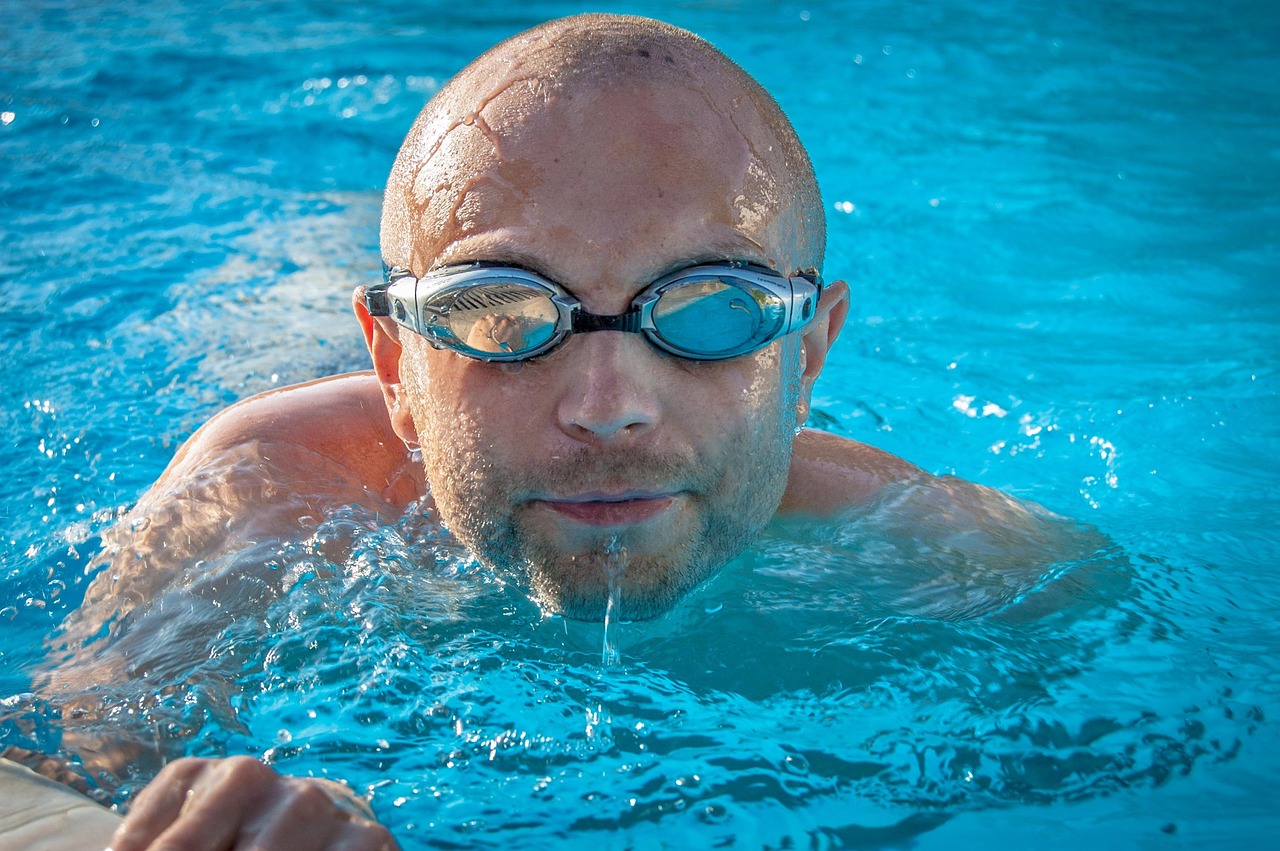

Nutrition Tips for Relay Swimmers to Maximize Endurance
Nutritional strategies play a vital role in helping relay swimmers maximize their performance and endurance levels. To sustain optimal energy during races, swimmers should focus on consuming a balanced diet rich in carbohydrates, proteins, and healthy fats. Carbohydrates serve as the primary fuel source, so incorporating whole grains, fruits, and vegetables is essential. Protein is important for muscle recovery and repair, so swimmers need to include lean meats, fish, legumes, and dairy products in their meals. Healthy fats, such as avocados, nuts, and olive oil, provide long-lasting energy. To enhance endurance, it’s crucial to consume these nutrients at appropriate times, particularly before and after training sessions and competitions. Hydration is equally important, and swimmers should aim to drink plenty of fluids throughout the day, especially water and electrolyte-rich drinks. Timing of meals can be significant too; ideally, swimmers should eat a carbohydrate-rich meal 3-4 hours before a race while keeping snacks light and easily digestible closer to competition time. Ultimately, a well-planned nutrition strategy can greatly improve performance in relay swimming events.
In addition to macronutrients, micronutrients are essential for overall health and athletic performance. Vitamins and minerals contribute to energy production, immune function, and muscle contraction. Swimmers should focus on consuming sufficient amounts of iron, calcium, and vitamin D, which are crucial for maintaining energy levels and bone health. Dark leafy greens, dairy products, and fortified cereals are excellent sources for these nutrients. Antioxidant-rich foods like berries, cherries, and dark chocolate help combat oxidative stress caused by intense training. Including a colorful variety of fruits and vegetables in their diet will provide necessary vitamins and minerals while also ensuring adequate hydration. It’s essential for swimmers, especially those in relay teams, to have their nutritional needs assessed regularly by a registered dietitian or a sports nutritionist. This professional guidance ensures individualized plans that can adapt as training schedules or goals change. Lastly, swimmers should be aware of food allergies or sensitivities that may impact their performance. Keeping a food journal to track what they consume, how they feel, and performance metrics during practice sessions or meets can also provide insights for better dietary adjustments.
Pre-Race Nutrition Strategies
Pre-race meals are critical for relay swimmers to optimize their endurance and performance. Eating the right foods just before a race will provide the necessary energy to swim at peak capacity. Three to four hours before the event, swimmers should consume a well-balanced meal high in carbohydrates, such as pasta, rice, or whole-grain bread, with lean protein options like chicken or fish. This timing allows the body to digest and convert the food into usable energy. Closer to the race, around 30 minutes to an hour before competing, it’s beneficial to have a light snack that is easy to digest, like a banana or a low-fiber granola bar, to prevent digestive issues during intense activity. Hydrating is important; athletes should drink water or an electrolyte-rich sports drink to ensure they are well-hydrated as dehydration can hinder performance. Additionally, caffeine, consumed in moderation, can enhance alertness and energy levels, although its effects can vary by individual. Having these strategies in place can improve focus and stamina in relay swimming races.
Understanding the importance of recovery nutrition is vital for relay swimmers to maintain endurance across multiple events. Recovery meals should be consumed within 30-60 minutes after training or competition, ensuring proper muscle repair and replenishment of energy stores. A suitable recovery meal should be rich in both carbohydrates and proteins. Combining items like a protein shake with fruit, a turkey sandwich on whole-grain bread, or yogurt with granola can effectively support post-exercise recovery needs. The goal is to restore glycogen levels and provide protein for muscle recovery. Swimmers also need to focus on rehydrating to offset any fluid loss during competitions or intense training sessions. Including electrolytes in recovery drinks can further enhance rehydration. It’s important to listen to the body; swimmers may need to modify recovery meals based on their individual responses. A consistent recovery routine will not only support training adaptations but also help in reducing injury risks. This strategy ensures that swimmers can perform optimally in subsequent events, thereby enhancing their performance in relay competitions.
Hydration Tips
Hydration is a critical component of peak performance for relay swimmers. Maintaining fluid balance ensures that the body operates efficiently during training and competitions. Swimmers should start hydrating well before events, ensuring they consume adequate water throughout the day and keeping an eye on their fluid intake during training sessions. A good rule of thumb is to drink at least half of their body weight in ounces of water daily. Additionally, during intense training or racing, incorporating electrolyte-rich beverages aids in replenishing lost minerals through sweat. Swimmers should consume fluids at regular intervals, particularly before, during, and after their swim practices. Keeping a water bottle handy while training can serve as a reminder to hydrate frequently. Monitoring the color of urine can serve as an indicator of hydration levels; pale yellow suggests adequate hydration, while dark yellow indicates a need for more fluids. It is essential for swimmers to recognize symptoms of dehydration, which may include fatigue, headaches, and cramping. Prioritizing hydration will enhance endurance, focus, and overall performance in relay competitions.
Supplementation can play a part in the nutritional strategy for competitive relay swimmers who may struggle to meet their needs through food alone. While whole foods should be prioritized, quality supplements may help address gaps in dietary intake. Common supplements include protein powders to support muscle recovery, branched-chain amino acids (BCAAs) for reducing fatigue during training, and omega-3 fatty acids to promote heart health and lower inflammation. However, swimmers should consult with a healthcare professional or a registered dietitian before starting any new supplement regime, ensuring it complements their overall nutrition plan. While supplements can aid performance, they are not a substitute for a well-rounded diet. Educating oneself on the appropriate dosage, timing, and frequency of supplementation is crucial, as exceeding recommended doses can lead to adverse effects. Tracking how the body responds to any additional products can help establish a routine that works best for an athlete’s individual needs. Ultimately, the goal should be to enhance performance through optimal nutrition combined with smart supplementation for improved endurance in relay swimming.
Conclusion
In conclusion, relay swimmers must adopt a solid nutrition plan to bolster their endurance and optimize performance during competitions. Key aspects include focusing on a balanced intake of macronutrients, ensuring adequate hydration, and developing effective recovery strategies post-training or competition. Paying attention to nutritional timing is essential, particularly before, during, and after races, to keep energy levels high and facilitate recovery. It’s also critical to recognize the role of micronutrients in supporting overall health and athletic performance. Lastly, supplementation may be beneficial but not mandatory for every athlete; ensuring safety and efficacy through professional advice is key. By implementing these nutrition tips and personalizing them to fit unique needs, relay swimmers can effectively enhance their performance and gain a competitive edge in their events. Consistency in dietary habits and a proactive approach to hydration will lead to improved performance and overall well-being in the sport. Such strategic planning can make all the difference in relay racing, allowing swimmers to bring their best to the pool every time they compete.