
Running Techniques and Tips for Female Runners
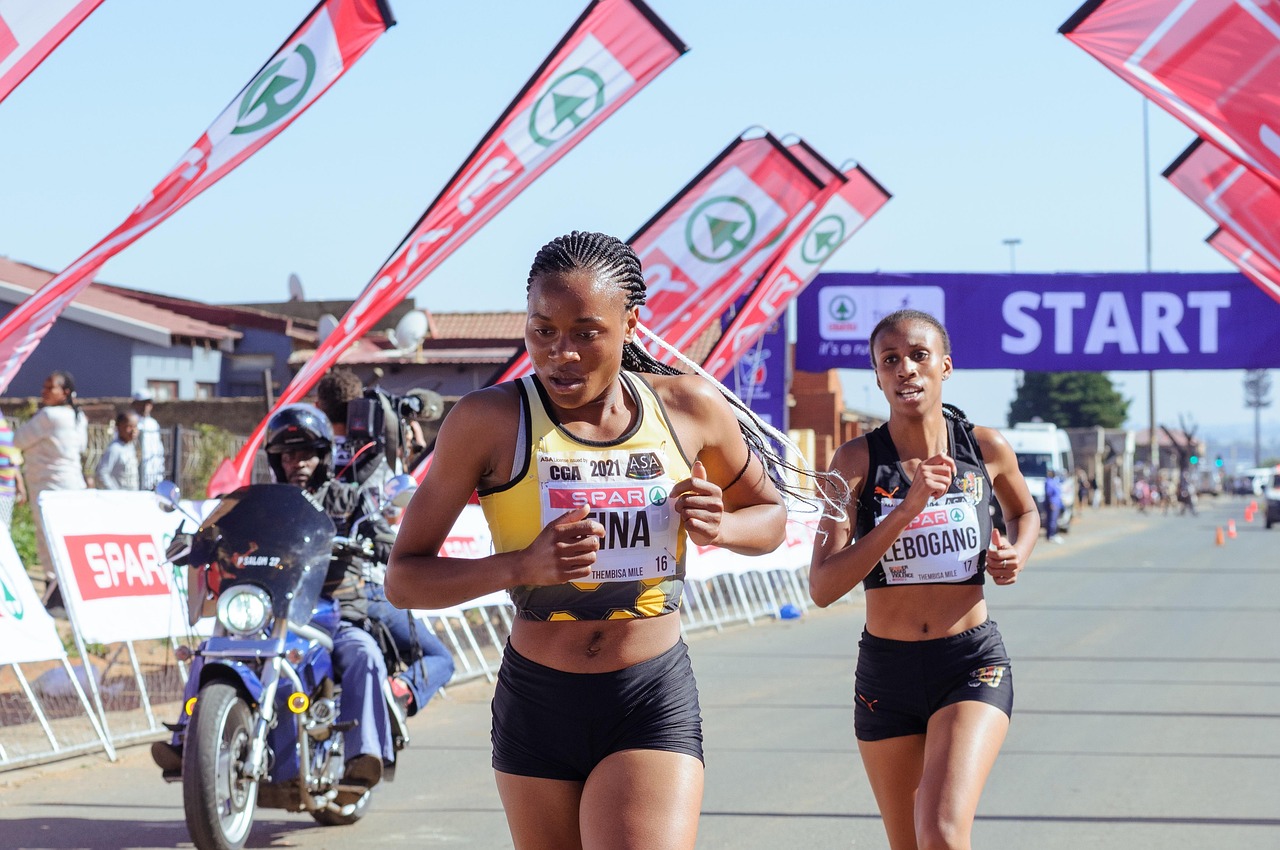
Running is a perfect way to achieve fitness. Women often pursue this physical activity for various reasons, including weight loss, mental clarity, and stress relief. Before starting, it is essential to invest in proper gear. Running shoes specifically designed for female athletes help reduce the risk of injuries. Furthermore, maintaining the right posture during running ensures efficiency and effectiveness. Keep your head up, shoulders relaxed, and arms bent at a 90-degree angle. Your feet should land softly beneath your hips, promoting a controlled stride and balance. Regular training will develop your muscles, which boosts endurance. Begin with a proper warm-up to prepare your body for exercise, followed by light stretching. Incorporating interval training into your routine can enhance speed and cardiovascular fitness. Adjust your pace throughout your run to build stamina. Additionally, hydration is vital for optimal performance; be sure to drink water before, during, and after your runs. Remember to challenge yourself by gradually increasing your distance as your fitness improves. Following these fundamental tips can lead to a more enjoyable and effective running experience.
Incorporating Strength Training
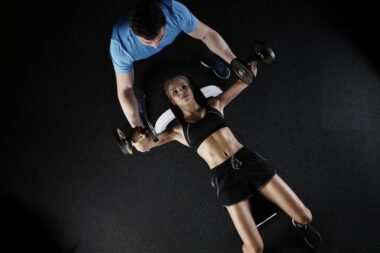
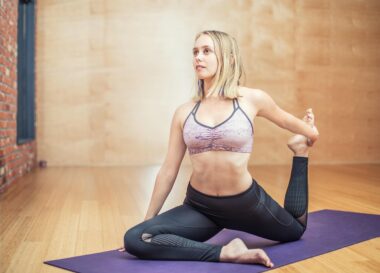
Strength training significantly benefits female runners. By integrating resistance exercises into a workout regimen, women can enhance their running performance. Areas to focus on include the core, glutes, and legs. A strong core provides stability, while glutes support powerful strides. Leg strengthening lends efficiency to the running motion. Exercises like squats, lunges, and planks are valuable additions to any strength-training routine. Aim for two to three strength sessions per week, allowing recovery time in between. Furthermore, utilizing moderate weights will prevent excessive muscle growth, safeguarding speed. A proper training plan should incorporate rest days to allow muscles to recover and repair, ultimately leading to improved performance. Another critical aspect is flexibility, which is made stronger through stretching. Stretching before and after your run can enhance performance and lessen the likelihood of injury. Consider incorporating yoga or Pilates to improve flexibility. Additionally, joining a local running club or group promotes accountability and provides motivation. Peer support is vital in sticking to fitness goals. The camaraderie can also enhance enjoyment and social interaction in your fitness journey.
Nutrition for Female Runners
Nutrition plays a crucial role in enhancing athletic performance. Female runners, in particular, require a diet rich in essential nutrients. Focus on a balanced intake of carbohydrates, proteins, and healthy fats. Carbohydrates provide the primary energy source, while proteins assist in muscle recovery. Healthy fats are also necessary for overall health. Meal options like brown rice, whole wheat pasta, lean meats, eggs, nuts, and avocados promote fitness. Aim for whole foods and minimize processed items which can hinder performance. Timing meals is essential; consuming a balanced meal two to three hours before running optimally fuels your workout. Additionally, snack on bananas or energy bars during longer runs to maintain stamina. Post-run nutrition is equally important. Consuming protein and carbs after your workout aids muscle recovery and replenishes energy. Don’t forget to hydrate adequately to avoid dehydration, particularly in warm weather. It’s beneficial to measure your food intake during training to understand how it affects your performance. This awareness allows adjustments in diet according to personal needs, maximizing overall performance during races.
Choosing the Right Footwear
Selecting the proper footwear can significantly impact running performance for women. With so many options available, understanding your foot type is essential. Women’s feet often have unique qualities; knowing whether you have flat, high-arched, or neutral feet assists in choosing the right shoes. Specialty stores often provide gait analysis services, ensuring you select the best style and fit for your needs. When trying on shoes, always wear the same type of socks you’ll use during your run. Ensure there’s adequate space in the toe box, allowing for toe movement without feeling cramped. Remember that women’s shoes may have narrower heel widths, which effectively accommodates small feet. Invest in quality footwear designed specifically for running, as they offer better support and cushioning. Replacing shoes regularly is crucial, ideally every 300 to 500 miles. Worn-out shoes lead to injuries such as tendinitis and plantar fasciitis. Additionally, consider terrain when selecting shoes; different surfaces may require specific tread patterns for optimal grip. Ultimately, investing time in selecting the correct footwear contributes to overall running success.
Setting Realistic Goals
Setting realistic and achievable goals is imperative for successful running. Whether you’re a beginner or an experienced runner, each goal should be measurable and time-bound. For beginners, consider starting with a target distance, such as running a mile continuously. Progressively increasing distance is key to building endurance and confidence. For more experienced runners, training for events is an excellent motivation. Consider participating in local 5K or 10K races to challenge yourself. Additionally, incorporate diverse workouts, including speed work and long runs, into your training. By adding variety, you can work towards a comprehensive running experience that improves speed, stamina, and overall fitness. Celebrate small achievements to maintain motivation along the journey. Tracking progress through apps or running journals can provide insight into improvements. Don’t forget to adjust your goals as you progress; remaining flexible can help maintain enthusiasm and engagement. Joining running groups or forums can provide support and accountability as you work towards those goals. Body awareness and adjusting based on fatigue levels also play a significant role in developing a sustainable running routine.
Recovery Strategies for Runners
Effective recovery strategies are vital for female runners to enhance performance. After an intense workout, your body needs time to heal and rebuild. First, prioritize rest days within your training schedule. Active recovery, such as light jogging or walking, helps facilitate blood flow while still allowing the muscles to recuperate. Incorporating foam rolling post-run alleviates muscle tension and improves flexibility. Adding ice baths can help reduce inflammation, particularly after intense training sessions. Proper hydration plays an integral role in recovery as well; aiming to replace fluids lost during exercise is key. Nutritional choices must also align with recovery efforts. Consuming protein and carbohydrates helps replenish energy stores and repair muscles. Sleep is often overlooked yet essential; ensure adequate hours of restorative sleep each night. Additionally, consider exploring meditation or yoga practices to enhance mental recovery. Mental and physical fatigue can be addressed simultaneously, creating a holistic approach to recovery. Avoid excessive mileage increases in a single week to prevent injuries. Be patient with the recovery process, as consistency and dedication will ultimately enhance your performance.
Connecting with the Running Community
Connecting with fellow runners can significantly enhance your overall experience. Engaging with a community brings social interaction to your fitness routine, fostering motivation and support among members. Consider joining local running clubs or online forums dedicated to women’s fitness; this opens doors to friendship and shared experiences. Many cities host group runs, where runners of all levels participate together, allowing newcomers to learn from seasoned athletes. Sharing tips, routes, and experiences fosters camaraderie and collective growth. Attend workshops, clinics, and races where runners gather; these events can inspire you while providing valuable networking opportunities. The encouragement from others can help you push through challenging workouts and celebrate achievements, making your fitness journey enjoyable. Additionally, social media can also play a role in connecting with like-minded individuals across the globe. Following fitness influencers or joining specific groups can keep you motivated. Building these connections helps create accountability, ensuring consistency in your training. Ultimately, being part of the running community provides not just friendships but an enriching experience throughout your journey as a female runner.