
Race Day Etiquette and Safety Tips for Triathletes
Race day can be an exhilarating experience for triathletes, often filled with both anticipation and anxiety. To ensure a smooth and enjoyable event, understanding proper race day etiquette is crucial. Triathletes should arrive early to familiarize themselves with the venue, allowing ample time for registration, setting up transitions, and warming up. Parking can be crowded, so plan for extra time. Also, communicate your race number clearly when asked to help volunteers assist you efficiently. Respect other participants by not blocking their paths during transitions or on the course. Staying in your designated area in the transition zone not only maintains order but also speeds up your preparation time. Additionally, do not forget to thank volunteers who contribute immensely to the event’s success. Being courteous and showing gratitude encourages a positive race environment for everyone involved. Keep in mind that safety is paramount during races, and following these guidelines can enhance your overall preparation and execution on race day, creating a more enjoyable experience for you and fellow competitors. With respect and patience as guiding principles, you can set the right tone for your race and the entire event.
Preparing for the Race
Before the race begins, it is essential to prepare both mentally and physically. Focus on healthy nutrition in the days leading up to the race, ensuring you are adequately hydrated and fueled. Consider testing your race day gear in advance, making sure that your cycling shoes, running shoes, and swim gear are comfortable and effective. Furthermore, practicing transitions beforehand can ease your nerves on race day. Learning to transition smoothly between the events is crucial to maintaining your performance. On race day, ensure all gear is in order and double-check your equipment. Arrive with your wetsuit ready if swimming, and have energy gels or bars easily accessible during the race. During the race itself, maintain awareness of your environment, keeping an eye on fellow competitors and remaining mindful of course markers. Following established rules regarding drafting can enhance safety for you and your fellow athletes. Remaining adaptable and having contingency plans for possible challenges will also be beneficial. Anticipating the unexpected can provide reassurance and foster confidence, ensuring that your race is enjoyable and ultimately fulfilling.
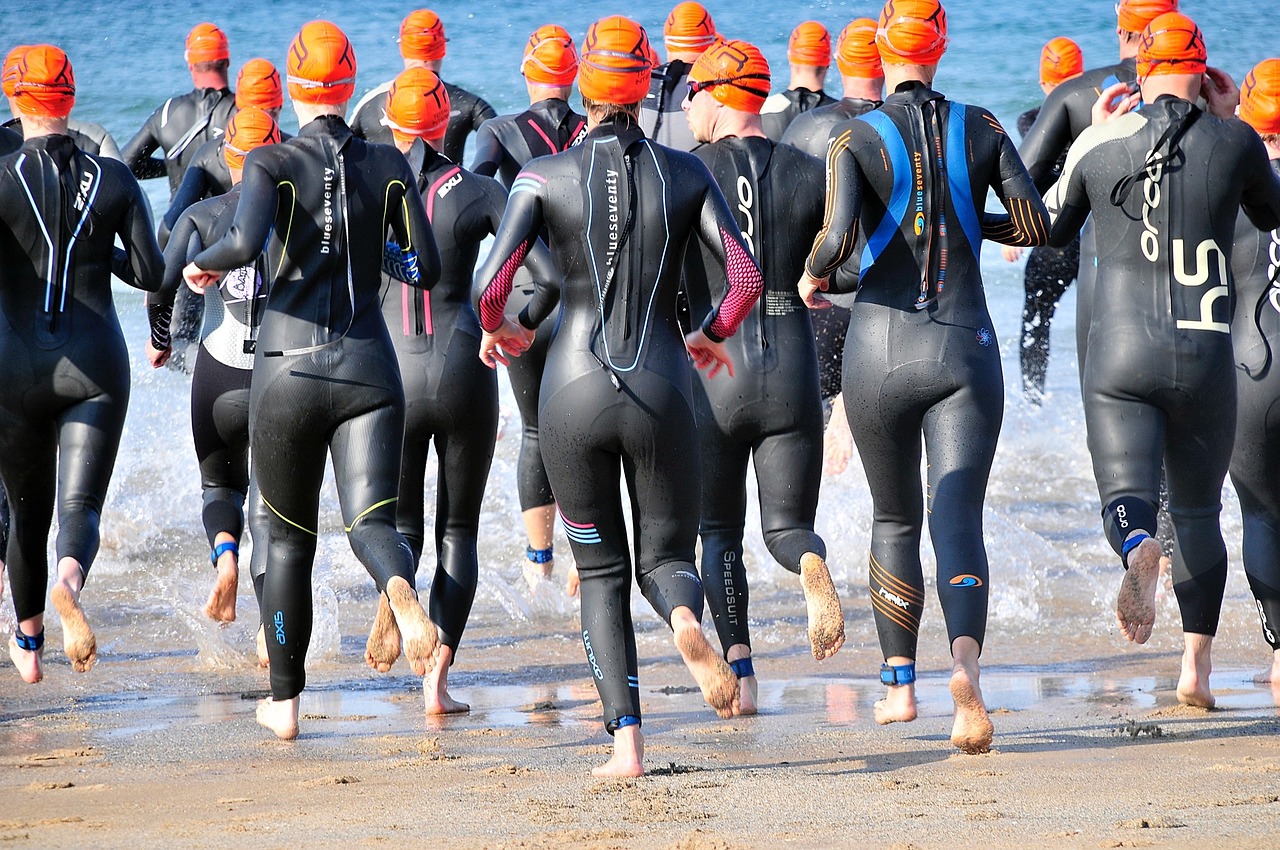
On race day, the swimming portion often sets the stage for the rest of the event. Practice as much as possible leading up to the competition to ensure you’re prepared for the water conditions and other factors, like temperature. Understanding the swimming route can help with pacing and strokes, maximizing energy efficiency. It is also essential to choose the right starting position based on your skill level, allowing for a smoother experience in the water. Furthermore, once the race begins, stay calm and collected; beginning too fast can lead to exhaustion. Focus on your breathing, helping optimize your performance in the initial stage. Along the way, it’s vital to stay aware of competitors and maintain adequate spacing in the water. Always be prepared for sudden waves or unexpected encounters with others. Following established protocols can minimize accidents or mishaps. After completing the swim, transition quickly but carefully to prevent further fatigue. Remove your wetsuit efficiently, potentially using a teammate’s help or a specific kit designed for quick transitions, maintaining the pace while preparing for the cycling element of the race.
Cycling Considerations
Once you have successfully transitioned to the cycling portion, it is crucial to gear up mentally for the ride. Staying focused during the cycling leg of a triathlon is key to conserving energy while maintaining speed. Before the race, ensure your bike is in top shape by conducting routine maintenance checks and tuning to avoid technical issues. Knowing your route can also help identify potential hazards, such as rough terrain or tight turns. Drafting is allowed in some races, but familiarize yourself with the rules and regulations to ensure compliance. Pay attention to signage and instructions from race officials while on your bike. Always adhere to safe practices, including wearing a helmet as it’s required. Be cautious when overtaking other cyclists, as sudden movements can lead to accidents. Additionally, do not forget to hydrate during the ride. Taking sips from your drink bottle periodically can play a vital role in maintaining your energy throughout the ride. Ultimately, focus on your cycling technique and form will aid in achieving your best performance while ensuring your safety during the element.
Transitioning from cycling to running can be intimidating for many triathletes. That said, proper techniques can make this part smoother and more enjoyable. As you dismount your bike, assess where you are in relation to the transition spot. Unclip your shoes before approaching the mount line to avoid unnecessary delays. Once on foot, visualize the running path and be prepared for what to expect from the course. Having running shoes accessible and ready will provide a seamless transition, as fumbled gear can lead to wasted energy and time. After hopping off your bike, remember to rehydrate after a lengthy ride before hitting the course. Try to maintain a steady pace initially; rushing into the run can lead to burnout that may hinder your performance. Additionally, be mindful of your surroundings, ensuring safe passage for yourself and others on the run course. Whether dodging fellow competitors or navigating uneven grounds, eye your next steps and watch for hazards. This will help ensure you finish strong and encourage a positive race experience for all involved.
Post-Race Etiquette
After completing your triathlon, it’s essential to embody good post-race etiquette. Begin by reflecting on your performance, acknowledging accomplishments and areas for improvement. Connecting with fellow athletes to share experiences or tips can foster camaraderie and support within the triathlon community. Show gratitude to race organizers and volunteers who dedicated their time and effort, as their contributions are vital for a successful event. When packing up your gear, be sure to leave your transition area clean and tidy. Keeping the area free of trash helps maintain an enjoyable atmosphere for everyone. Moreover, be mindful of post-race celebrations and award presentations. Engaging in community activities or socializing after the race can enhance the experience for all involved. Sharing results with friends and family can be uplifting, especially after your hard-fought race. Use social media platforms to promote your achievements while encouraging newcomers to test their limits. Ultimately, valuing others’ presence and contributions can strengthen community bonds within triathlons, ensuring future events remain enjoyable and motivating.
Creating a safe, enjoyable race day experience begins well before crossing the finish line. Following the established guidelines along with respectful interactions with fellow athletes, volunteers, and organizers ensures a thriving triathlon environment. Moreover, maintaining a positive mindset throughout the race not only enhances individual performance but also empowers others to do their best. Set realistic goals before the race, as they will help maintain focus even amid challenges along the course. Whether looking to finish strong, achieve a personal best, or simply enjoy competing, the attitude you bring influences others around you. Also, remember the importance of recovery following the race, as this is a key element in any athlete’s growth. Hydration, nutrition, and consideration tend to your body to regain energy levels, ultimately encouraging future participation in triathlons and similar events. Embrace each experience as a chance to learn, grow, and energize your love for the sport. With these important strategies and tips in mind, race day becomes an occasion to remember and cherish.
Final Thoughts
As a triathlete, understanding race day etiquette and safety can make a significant difference in your experience and performance. The key principles to follow will improve not only your race but also the overall event atmosphere. Staying prepared in every aspect, from gear and nutrition to mental readiness and awareness of your surroundings, is essential. Being courteous and respectful to fellow athletes, volunteers, and organizers should not be overlooked. After all, teamwork and camaraderie form the essence of participation in triathlons. Maintain a positive attitude throughout, embracing the spirit of competition while fostering encouragement and support among your peers. Remember that every race is an opportunity for growth and discovery, whether in achieving personal goals or simply sharing the journey with others. As you step onto the course, embody the dedication and spirit of a triathlete. Aim to inspire not just yourself but those around you as well. Ultimately, your engagement contributes to a thriving triathlon community, centering on mutual respect, support, and unyielding passion for the sport. Carry these lessons with you on race day and beyond, ensuring both you and others have a memorable experience.