
Challenges of Balance and Coordination in Children
Balance and coordination are critical skills that every child develops during their formative years. Many children encounter various challenges in mastering these skills, which can significantly affect their physical activities and overall confidence. Problems with balance can stem from both developmental delays and physical disabilities. For instance, issues may arise from sensory processing disorders, which complicate their ability to interpret sensory signals accurately. Coordination challenges might also manifest as difficulties in performing tasks requiring fine or gross motor skills. This often leads to frustration and can impact their participation in sports or recreational activities. Additionally, environmental factors play a role; children with limited space or outdoor activity opportunities may not practice adequate balance and coordination. Furthermore, the role of parental support and encouragement is vital. Parents can foster a home environment rich in opportunities for physical play, which is essential for developing these skills. By collaborating with therapists or specialists, families can create tailored programs focused on improving balance and coordination in children, ultimately aiming to build their confidence and independence.
Understanding the underlying causes of balance and coordination problems is crucial for effective intervention. These challenges can be attributed to various factors, including genetics, neurological conditions, and sensory integration issues. A thorough assessment performed by pediatricians or occupational therapists is essential to identify the root cause. For instance, some children may have an inner ear issue leading to balance problems, while others might experience difficulties due to poor muscle strength or coordination. Consequently, providing personalized support is vital for addressing these challenges. Interventions could range from simple physical exercises that enhance muscle tone to more specialized therapies targeting specific motor skills. Engaging children in activities like dancing, climbing, or playing games that require them to rely on their balance can also prove effective. Moreover, integrating technology, such as balance boards or virtual reality games, can motivate children while they work on their coordination. Finally, recognizing the importance of social interactions is key. Group activities can provide children the chance to develop their balance and coordination while boosting their self-esteem and promoting teamwork. Building these fundamental skills paves the way for a healthier, more active lifestyle.
Physical Exercises for Improvement
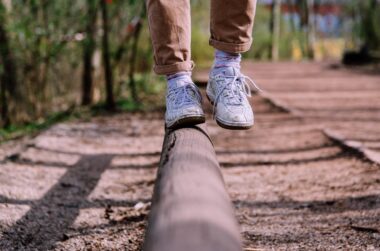
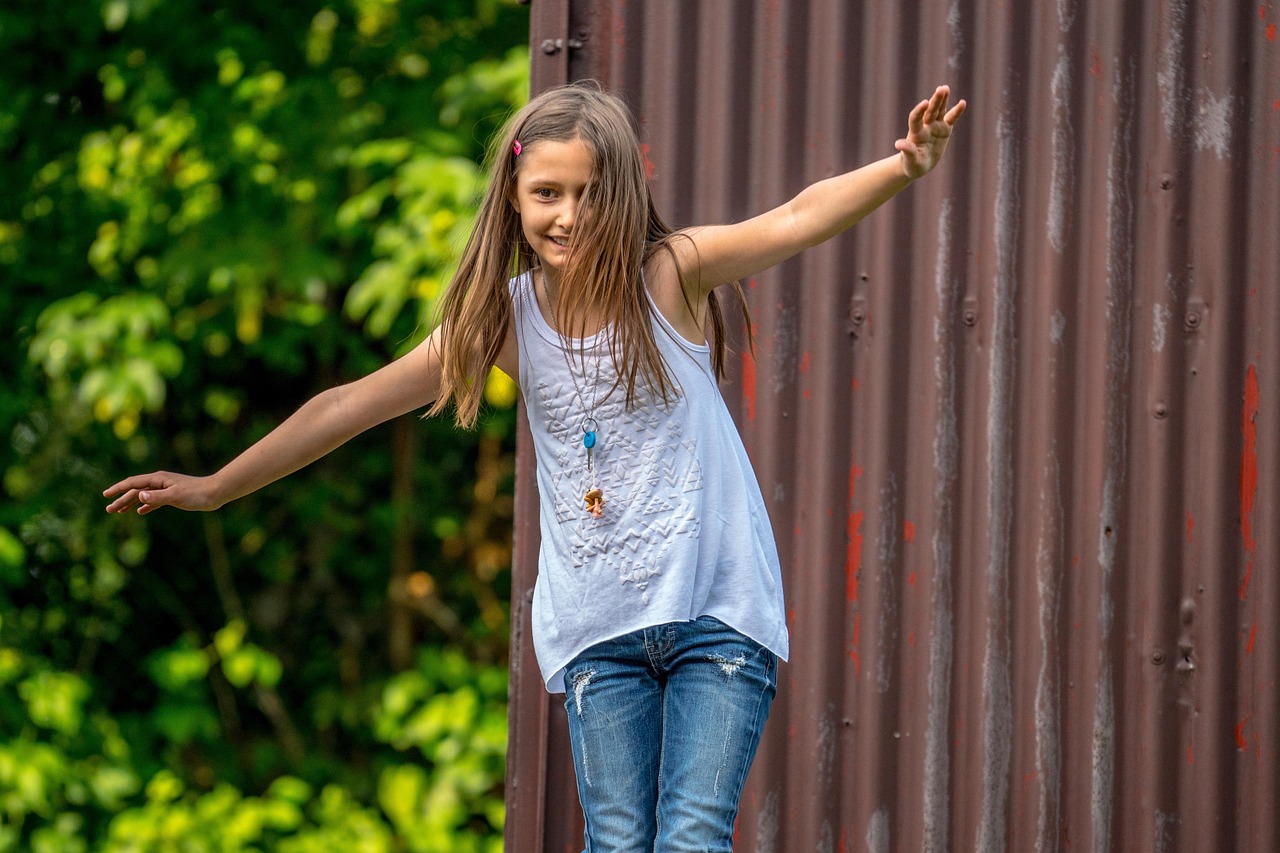
Incorporating physical exercises into a child’s daily routine can be instrumental in enhancing balance and coordination. Engaging in activities that challenge their motor skills helps foster proficiency. For example, activities such as tightrope walking can simulate balance obstacles, allowing children to practice stabilizing their body. Additionally, activities that involve jumping or skipping encourage coordination as they require timing and rhythm. Furthermore, exercises like yoga can be beneficial in developing both strength and flexibility, essential components of balance. Parents can guide their children in engaging with fun exercises rather than imposing structured forms of practice. This emphasizes a playful learning approach, making the process enjoyable. It’s wise to encourage participation in team sports or dance classes, as these environments provide structured movement opportunities along with social benefits. Moreover, using props such as balance beams or balls can introduce variety and fun to the activities. Remember, consistency is vital. Regular practice, even in small amounts each day, can lead to noticeable improvements over time. Ultimately, the goal is to empower children with the skills they need to navigate their environment with confidence and agility.
Creating a supportive environment at home can also significantly affect a child’s balance and coordination. Encouraging free play in various spaces, whether indoors or outdoors, allows children the freedom to explore their physical capabilities. Moreover, positive reinforcement helps build a child’s confidence in their balancing ability. Parents should celebrate small achievements, whether it’s taking a few steps without falling or successfully completing a balance task. Recognition of these successes motivates continued effort and persistence. Additionally, integrating balance exercises into daily routines can be seamless. Simple tasks, like walking heel-to-toe or hopping on one foot, can be transformed into playful challenges that engage the child. Involving siblings or friends in these activities can add excitement and a sense of competition. Also, providing a range of equipment, such as balls, cones, or soft mats, can facilitate diverse play experiences. Safety measures must not be overlooked; ensuring a safe environment where children can practice without injury is paramount. By establishing a nurturing atmosphere that promotes movement, children’s balance and coordination skills can flourish while they enjoy the journey.
Role of Professional Guidance
In some cases, seeking professional guidance is vital for children struggling with balance and coordination challenges. Therapists specializing in pediatric physical therapy possess expertise in evaluating children’s specific needs. They can develop customized intervention plans tailored to the child’s current skill levels. Engaging in regular therapy sessions offers structured support that emphasizes progress. These sessions often focus on activities designed to enhance core stability, strength, and flexibility while encouraging exploration. Additionally, specialized programs, such as those offered by occupational therapists, can focus on fine motor tasks and the development of perceptual-motor skills. Collaborating with teachers or sport coaches can further reinforce the skills learned during therapy. A multi-faceted approach to addressing balance and coordination issues ensures that children receive comprehensive support. Moreover, parents can monitor progress at home and continue practicing suggested exercises. Maintaining open communication with professionals regarding any concerns or observed challenges is key. With the right support system, children can effectively overcome their limitations, leading to enhanced mobility and overall quality of life.
Participating in community activities that promote physical fitness provides children with additional opportunities to improve essential balance and coordination skills. Groups and organizations focused on sports, gymnastics, or dance can create an inclusive atmosphere that encourages children to participate regardless of their initial skill level. Exposure to diverse activities enables children to learn which sports align with their strengths and interests. Equally critical is the incorporation of adaptive sports programs aimed at children with disabilities, fostering inclusivity and skill development. Furthermore, summer camps and extracurricular classes often provide various activities aimed at improving motor skills through play. These settings also allow for social interaction, which is vital for building friendships and teamwork. Additionally, incorporating educational components that address understanding one’s body and physical capabilities aids in developing self-awareness. Encouraging parents to stay involved and attend activities can reinforce a child’s dedication to their physical growth journey. Complementing organized activities with informal family games promotes an active lifestyle at home. Through these engaging experiences, children can build their social skills while enhancing their balance and coordination abilities.
Conclusion
Overcoming challenges associated with balance and coordination in children necessitates a comprehensive and positive approach. The combination of play, encouragement, and professional assistance lays the foundation for enhancing crucial motor skills. Early identification of potential issues provides the best chance for intervention, enabling children to address their challenges effectively. By recognizing the individual differences in each child’s needs, families can tailor programs that align with their abilities and interests. Furthermore, integrating regular physical activity into daily routines promotes continuous improvement. Supportive home environments, community activities, and professional guidance serve as vital components in this journey. As children build their balance and coordination skills, they gain confidence in themselves, empowering them to engage fully in various physical activities. Moreover, the enjoyment derived from movement can lead to lifelong fitness habits, fostering overall health and well-being. Encouraging a playful, active lifestyle from an early age will enable children to develop not only physically but also emotionally and socially. Ultimately, fostering balance and coordination skills is invaluable, providing children with the tools necessary to navigate and enjoy the world around them.
Finding the right balance and coordination approach for children requires patience and understanding from caregivers. Children develop at their own pace, and achievements, regardless of how small, should be acknowledged and celebrated. Practicing balance and coordination can offer children fantastic opportunities for development in various areas of their lives. Children can significantly improve their physical abilities and increase their self-esteem with consistent encouragement and structured practice. Therefore, investing time and energy into nurturing these skills brings immense benefits. This often involves creating spaces, whether in homes or communities, where children have the freedom to move and explore. Utilizing resources such as programs designed for motor skill improvement can ensure children receive professional support. Thus, empowering them to face their physical challenges confidently is essential. Exploring creative and playful methods to engage children in activities that build these skills is integral to effective learning. As they practice their balance and coordination, children can also form connections with others, build friendships, and enjoy movement as an integral, fun part of growing up. The focus should always be on encouraging growth and celebrating progress, regardless of the journey length.