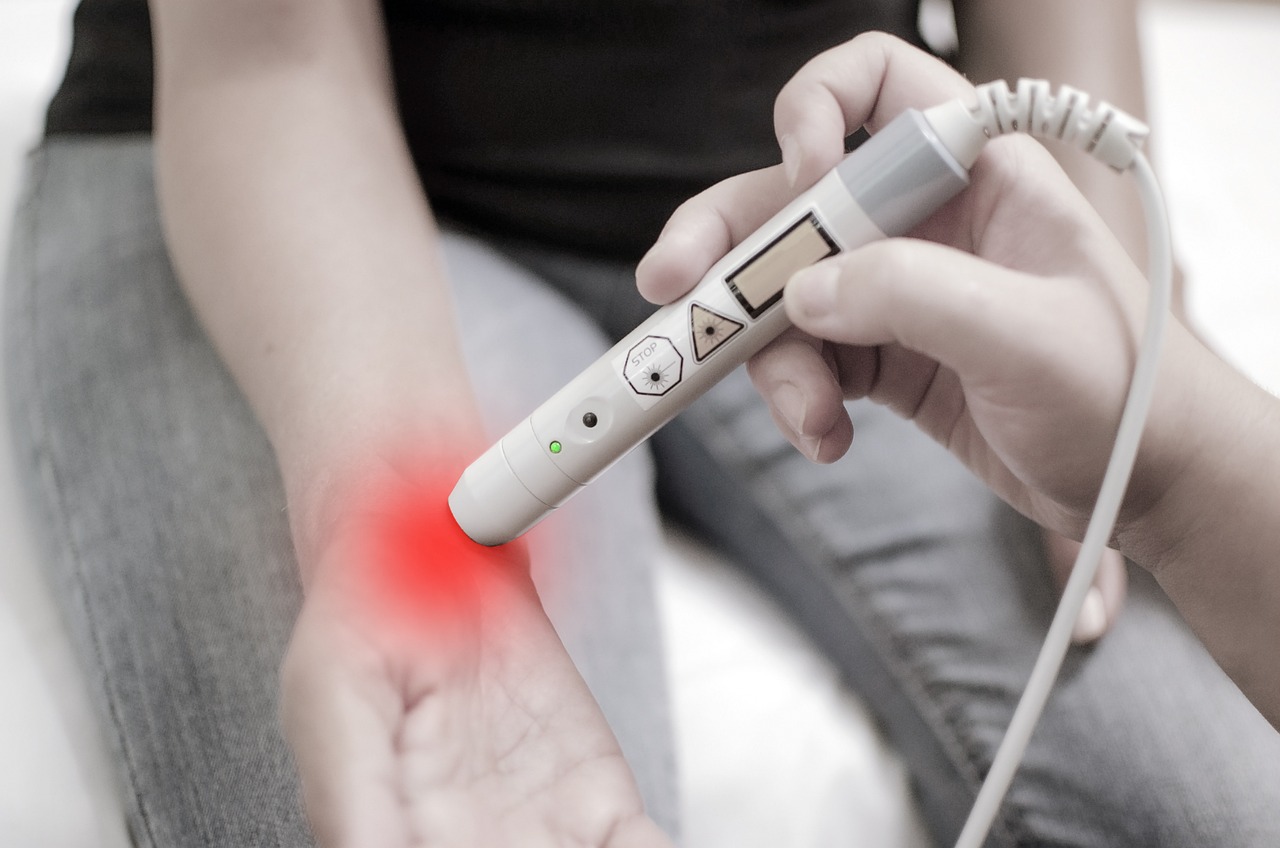

Understanding the Importance of Inflammation
Inflammation is the body’s natural response to injury and healing processes. It signals an internal reaction that ensures the body repairs itself, but if uncontrolled, it can lead to further complications. Tracking inflammation during rehabilitation is pivotal in evaluating healing progress. Doctors and physical therapists utilize various methods and indicators to monitor these changes effectively. Common signs of inflammation include redness, warmth, pain, and swelling in the affected area, which often accompany injuries. Each of these symptoms can offer insight into the degree of healing. It is essential to understand that while inflammation plays a key role in recovery, excessive inflammation can hinder healing. Therefore, tracking it closely enables both patients and healthcare providers to make informed decisions on treatment strategies. Specific measurement tools such as the Visual Analog Scale (VAS) help gauge pain levels while methods like biophotoelectric analyses can measure biochemical markers. Identifying the right balance in inflammation can help in managing the recovery timeline and expectations. Additionally, nutritional assessments can aid in promoting anti-inflammatory responses through diet adjustments, guiding the recovery process effectively.
Monitoring Swelling as a Healing Indicator
In addition to inflammation, swelling serves as a crucial indicator of healing. Swelling is often a component of the inflammatory process, indicating accumulation of fluids in tissues due to injury. This fluid accumulation is a natural part of the healing response but can become problematic if left unchecked. Proper measurement of swelling can provide physical therapists and patients with vital insights into progress. Common methods to assess swelling include volumetric measurements and tape measurements around affected joints. These approaches allow professionals to objectively track changes over time. It is important to note that some swelling is necessary for healing; however, persistent swelling may suggest complications or inadequate recovery. Managing swelling through physical therapy, compression garments, and modalities like ice can promote better outcomes. Furthermore, integrating consistent swelling assessment into rehabilitation protocols can enhance treatment effectiveness by adjusting therapeutic efforts based on the current condition. Healthcare professionals must educate patients on recognizing warning signs of abnormal swelling, emphasizing the importance of reporting these changes. Such proactive measures can facilitate timely interventions crucial to successful recovery.
Incorporating Regular Evaluations in Rehabilitation
Regular evaluations of inflammation and swelling can significantly enhance the effectiveness of rehabilitation protocols. Scheduling periodic assessments helps therapists identify changes in a patient’s condition, ensuring that interventions are responsive to the patient’s evolving needs. During these evaluations, healthcare providers typically observe visual indicators alongside physical tests that measure mobility and strength. By tracking these factors consistently, clinicians can refine treatment plans and set realistic goals. Moreover, combining subjective assessments, like asking patients about their pain levels, with objective measures helps create a comprehensive view of the healing process. Encouraging patients to maintain a pain and inflammation diary can also contribute significantly. This practice allows healthcare teams to correlate patient-reported outcomes with clinical observations. Implementing technology, like apps or online platforms, to log data can simplify this task for patients and therapists alike. Data-driven insights emerging from these evaluations enable more personalized interventions, ultimately improving the recovery experience. Discovering patterns in swelling and inflammation can lead to better decisions regarding when to progress to more intensive rehabilitation phases. Healthcare teams must make timely adjustments based on these findings.
The Role of Nutrition in Reducing Inflammation
Nutrition plays a critical role in managing inflammation and can significantly contribute to successful rehabilitation outcomes. A well-balanced diet rich in anti-inflammatory foods helps reduce excessive inflammation while promoting healing. Foods such as fatty fish rich in omega-3 fatty acids, colorful fruits, and leafy greens provide essential nutrients that help modulate inflammatory responses. Additionally, antioxidants found in these foods play a vital role in neutralizing the free radicals often produced during injury and inflammation periods. Incorporating spices such as turmeric and ginger is also beneficial due to their well-known anti-inflammatory properties. On the other hand, foods high in refined sugars and trans fats should be limited, as they can exacerbate inflammation and impair recovery. Nutritional assessments can help healthcare providers tailor recommendations to patients, emphasizing the importance of maintaining a healthy diet during rehabilitation. Taking dietary supplements can also be discussed with healthcare experts to complement nutrition, ensuring a more holistic approach to healing. Collaborating with dieticians and nutritionists serves to optimize recovery by aligning dietary habits with rehabilitation goals.
Integrating Technology for Better Monitoring
In today’s digital age, technology greatly enhances tracking inflammation and swelling during rehabilitation. Multiple innovative devices and applications can simplify the monitoring process, making it more precise and accessible. Wearable devices, for instance, can continuously track physiological changes, including temperature and movement. Integrating these devices into rehabilitation allows physical therapists to obtain real-time data on patient recovery. Beyond wearables, mobile applications designed to record inflammation and pain levels provide users with valuable insights. Many of these applications offer easy-to-understand visuals, making it simple for patients to communicate information to their healthcare providers. Furthermore, telehealth platforms enable remote consultations and assessments, allowing clinicians to guide patients effectively. This connectivity fosters an ongoing dialogue concerning recovery objectives between patients and healthcare professionals. Using these technologies not only improves engagement from patients but also enhances practitioners’ ability to monitor progress accurately. Thus, a team-based approach combined with advanced monitoring techniques ensures that rehabilitation is both effective and personalized. Staying informed on the latest technological advancements can dramatically influence the quality of care administered during recovery.
Understanding the Emotional Impact of Injury
The journey towards recovery from an injury often involves not just physical challenges but also emotional hurdles. The emotional aspect of healing significantly intertwines with the physical indicators of inflammation and swelling. Patients may experience frustration, anxiety, and even depression due to prolonged pain and recovery times. Recognizing these emotions is essential for healthcare providers to offer comprehensive rehabilitation. Utilizing supportive therapies, such as counseling or support groups, can help patients cope with emotional stressors associated with their injuries. It’s vital for clinical practices to address mental health alongside physical rehabilitation, ensuring a holistic recovery approach. Additionally, educating patients about the normal emotional responses related to healing can help normalize their experiences. Emphasizing positive psychological resilience and encouraging goal-setting can enhance motivation and foster a conducive recovery environment. It’s crucial to consider how emotional well-being affects the inflammatory response in the body as stress can exacerbate inflammation. Thus, integrating psychological support within rehabilitation frameworks serves to improve overall outcomes by addressing both the emotional and physical aspects of healing.
Conclusion and Future Directions
Conclusively, tracking inflammation and swelling plays a fundamental role in guiding rehabilitation processes. Understanding their implications allows healthcare providers to make informed clinical decisions that foster better patient outcomes. As advancements in technology and research continue to evolve, integrating these innovations into rehabilitation protocols will become increasingly vital. The combination of clinical evaluations, nutritional strategies, technological monitoring, and psychological support helps create a comprehensive rehabilitation framework. This multifaceted approach ultimately enhances the healing journey by addressing all factors influencing recovery. It encourages both patients and healthcare professionals to work collaboratively towards achieving rehabilitation goals. Future directions in research should focus on optimizing these integrative strategies, exploring how specific lifestyle modifications can further enhance recovery. Establishing standardized protocols for inflammation and swelling tracking will also play a crucial role in advancing best practices in rehabilitation. By maintaining a patient-centered focus and embracing innovation, the healthcare community can significantly improve recovery experiences for individuals overcoming injuries and optimize their long-term health and well-being.