
The Effect of Alcohol on Athletic Performance and Recovery
Alcohol consumption has been a part of various cultures and social settings for centuries, often celebrated for its recreational benefits. Athletes, however, need to be aware of how alcohol affects their performance on the field. Research suggests that alcohol hampers muscle recovery and reduces strength and power output in athletes. Alcohol can interfere with the body’s ability to repair and rebuild muscles following strenuous workouts or competitions. This is primarily due to its effect on protein synthesis, which is crucial for muscle repair. Moreover, alcohol consumption can lead to increased dehydration, which can negatively impact athletic performance and delay recovery. Athletes should understand these effects fully before considering any intake of alcoholic beverages, particularly during training or competition periods. Acknowledging that even moderate consumption can have deleterious effects on physical performance is essential. Nutritional strategies, including optimal hydration and timing of food intake, should be adjusted accordingly if alcohol is consumed. Therefore, while socializing might involve alcohol, athletes must weigh the pros and cons carefully, especially when striving for peak performance in their sport.
Alongside the immediate impacts on performance, alcohol consumption also contributes to longer-term health issues that athletes should consider seriously. Regular drinking might predispose athletes to chronic illnesses that curb overall physical output. Conditions such as liver disease and cardiovascular problems not only hinder athletic abilities but also carry a burden of recovery processes. Consequently, athletes who consume alcohol regularly may face deteriorating fitness levels over time. Managing alcohol intake effectively can therefore bolster an athlete’s health significantly, enhancing their endurance, agility, and strength. Engaging in consistent physical training without the interference of alcohol allows athletes to maximize their progress, particularly in competitive sports. Additionally, alcohol negatively impacts sleep patterns. Quality rest is critical for muscle recovery and rejuvenation. Poor sleep can lead to increased fatigue during training sessions and competitions. Therefore, athletes are encouraged to prioritize good sleep hygiene and avoid substances, including alcohol, that could disrupt sleep. Implementing these changes could potentially lead to better performance outputs and quicker recovery processes, essential for any athlete aiming to excel in their respective sports during intense training periods.
State of Hydration and Alcohol
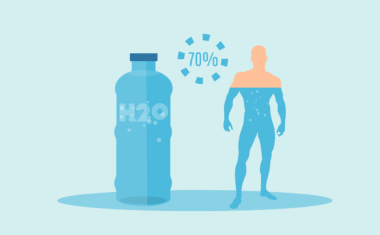
Hydration plays a vital role in athletic performance and recovery. Alcohol’s diuretic properties can lead to dehydration, which is detrimental to athletes. When athletes are dehydrated, their physical performance typically declines, resulting in fatigue and reduced strength. Additionally, dehydration negatively impacts cognitive functions, such as decision-making and reaction times, critical for many sports. Proper hydration is vital for maintaining optimal blood volume, which helps transportation of nutrients and oxygen during intense workouts. Athletes need to ensure they hydrate sufficiently before, during, and after training sessions. If alcohol is consumed before or after exercise, it’s imperative to counteract its dehydrating effects by drinking ample water. Furthermore, alcohol interferes with the body’s regulation of temperature, putting athletes at risk of overheating. To mitigate these hazards, sports nutritionists often recommend limiting alcohol intake to lower the risks associated with dehydration and eventual performance dips. Combining good hydration strategies with reduced alcohol consumption may significantly improve training outcomes. Consequently, athletes should strategize their fluid intake to focus on recovery and performance maximization, prioritizing water and electrolyte drinks over alcoholic beverages for optimal training partnerships.
The effects of alcohol on athletic performance extend to muscle recovery and soreness, aspects that athletes frequently contend with post-training. Alcohol consumption can lead to higher levels of delayed onset muscle soreness (DOMS), potentially prolonging recovery times. Studies indicate that alcohol inhibits the recovery process by reducing glycogen storage in muscles, crucial energy reserves for athletes. Glycogen depletion leads to increased muscle fatigue and lessened endurance, impacting an athlete’s subsequent performances. Given these implications, coaching staff and nutritionists should help athletes create individualized training programs that consider alcohol’s impact. Recognizing a balance between socializing and maintaining peak physical health is crucial. During recovery periods, athletes can focus on nutrient-rich foods, increased hydration, and adequate rest, prioritizing essential recovery practices. While some may perceive alcohol as meritorious in socialization, it’s vital to engage in such practices thoughtfully. Limiting intake or abstaining altogether during heavy training cycles can prove highly beneficial. By making informed decisions regarding alcohol consumption, athletes can avoid unnecessary setbacks and bolster their performance potential significantly throughout their sporting endeavors successfully.
Social Aspects of Alcohol Consumption
Socializing holds a significant place in athletic culture, and alcohol often plays a role in many social settings. While enjoying time with teammates can foster bonding and improves team synergy, the presence of alcohol complicates athletes’ nutrition plans and recovery strategies. Building strong social ties is essential for mental well-being, yet athletes should be mindful of how alcoholic beverages can derail health and performance. Athletes can explore alternatives that allow them to engage socially without compromising their goals. Opting for alcohol-free options at celebrations can help maintain a healthier lifestyle while still enjoying social interactions. Athletes embracing accountability in their drinking habits can also positively influence team dynamics by setting healthy examples for peers. Moreover, discussions around alcohol consumption in sports venues should be encouraged, promoting awareness of its potential consequences. Ultimately, creating an environment that fosters positive socializing practices may improve team cohesion and retention of high-performance standards within athletic communities. Hence, discussing alcohol and its implications openly can help athletes adopt healthier habits, contributing to long-term success in their respective sports.
In addition to the physical impacts, alcohol may result in psychological effects that athletes must navigate. Many athletes face pressure to maintain physical prowess while balancing personal lives and social expectations. This pressure can lead to coping mechanisms involving alcohol consumption. Addressing alcohol as a potential coping tool becomes crucial to safeguarding mental health. Athletes should implement strategies to deal with stress through healthier means, such as exercise, counseling, or relaxation techniques. By fostering conversations around mental wellness, teams can develop support structures that help manage stress without resorting to alcohol dependence. Recognizing signs of overindulgence early can prevent athletes from falling into unhealthy patterns that might impair their performance and compromise their health. Education about alcohol’s psychological and physical consequences is essential. Coaches and mentors play a critical role in providing guidance and support, ensuring athletes can resist peer pressure and make informed decisions. A culture of open dialogue around stress, recovery, and emotional well-being may ultimately enhance athletic performance by fostering resilience and healthier coping mechanisms.
Conclusion
In conclusion, the implications of alcohol consumption on athletic performance and recovery are substantial, impacting various aspects of an athlete’s career. Athletes must recognize the potential detrimental effects of alcohol on their hydration, muscle recovery, and overall health. Moderation is crucial; understanding when and how much alcohol to consume can aid athletes in maintaining peak performance levels. Incorporating educational programs about alcohol’s impact on fitness may be beneficial to instill better awareness among athletes. Strategies that emphasize hydration, nutrition, and healthy socialization can contribute to improved training and recovery processes overall. Adopting a proactive stance against excessive alcohol consumption can create healthier sporting environments. By fostering supportive frameworks within teams, coaches, and nutritionists, athletes can navigate social pressures effectively. Ultimately, striking a balance between enjoying life and enhancing performance should guide athletes in their approach to alcohol consumption. Taking steps toward a healthier lifestyle will likely enhance not only athletic performance but also long-term wellness, allowing athletes to achieve their fullest potential in their sports while promoting overall health. Understanding the relationship between alcohol, performance, and recovery can inform better decision-making for athletes, paving the way for sustained success in their endeavors.