
Cold Water Swimming Post-Workout: Pros and Cons
Cold water swimming is gaining popularity among fitness enthusiasts looking to optimize their post-workout recovery. Engaging in this unique practice involves immersing oneself in cold water after completing a strenuous exercise session. The first significant benefit that cold water swimming provides is its ability to reduce inflammation. The cold temperatures assist in constricting blood vessels, which can alleviate muscle soreness and speed up recovery time from intense workouts. Athletes often report less fatigue and enhanced recovery following cold water exposure. Furthermore, swimming in chilly waters can invigorate the mind and body, promoting feelings of alertness. It may facilitate better sleep patterns due to increased melatonin production following exposure to lower temperatures. Overall, these factors make cold water swimming an appealing option for recovery. However, it’s crucial to approach this practice carefully. Cold water swimming is not suitable for everyone, especially those with certain medical conditions. Engaging in this type of swimming should be done with caution and ideally under supervision or guidance, especially for beginners. Proper preparation is paramount for a safe experience that maximizes benefits while minimizing risks associated with cold exposure.
One of the potential downsides when considering cold water swimming post-workout is the shock response it can trigger. Immersing oneself in cold water can lead to what is known as cold shock response, characterized by hyperventilation, increased heart rate, and even panic in some individuals. This reaction could deter many from reaping the benefits of cold exposure post-exercise. It’s crucial to gradually acclimate to cold temperatures rather than jumping in all at once. Another significant concern is the risk of hypothermia, especially during prolonged exposure to cold water. Individuals must monitor their time spent in cold environments carefully. Cold water swimming ought to be approached with respect, ensuring that swimmers understand their limits. Safety measures should include being aware of the weather conditions and the temperature of the water. Additionally, it is advisable to swim with a buddy or within supervised areas to ensure assistance is accessible in case of emergencies. Although numerous individuals thrive on this adventure, others may find themselves more prone to discomfort or adverse reactions, emphasizing the need for recognizing personal limitations when engaging in such activities.
Physical Benefits of Cold Water Swimming
The physical benefits of cold water swimming extend beyond recovery from workouts; it can enhance overall physical performance. Numerous studies suggest that cold water swimming can help improve circulation by increasing blood flow after the body warms back up from the cold. This circulatory boost aids in nutrient transportation and oxygen delivery to muscle tissues, ensuring optimal performance during workouts. By exposing muscles to cold temperatures, swimmers may experience improved muscle endurance and strength over time. Regular exposure can also result in increased stamina, as the body learns to adapt to extreme temperatures. Additionally, cold water swimming can elevate mood and motivation, thanks to the release of feel-good hormones like endorphins. This hormonal enhancement may lead individuals to push themselves further both in the pool and during training sessions. It can enhance the experience by promoting a sense of accomplishment and well-being. Embracing such a lifestyle can lead to transforming one’s approach to fitness, fostering discipline and resilience. The key is to respect personal limits while integrating cold water swimming thoughtfully into one’s routine to allow these benefits to manifest effectively.
Another considerable advantage of cold water swimming is its potential role in enhancing mental resilience. Engaging in experiences that challenge comfort zones can bolster one’s mental toughness, leading to improved focus and motivation. The practice forces individuals to confront discomfort, thus fostering psychological strength, which could extend beyond swimming to other life domains. As a result, participants may exhibit higher tolerance to stressors and heightened determination in facing challenges. This mental fortitude can translate into better performance in sports and a more disciplined approach to long-term goals. Furthermore, this practice is often associated with stimulating the immune system, potentially leading to fewer colds or illnesses. The brief exposure to cold temperatures can activate immune responses that help the body fend off potential pathogens. Many cold water swimmers attest to experiencing fewer sick days when committed to this practice. However, while these benefits are promising, they are not universally guaranteed. Some individuals may not witness the same effects statistically highlighted in research studies. Individual responses to cold water can vary significantly, so personal experimentation is key in discovering what works best for one’s body and mind while remaining safe throughout the practice.
Social Aspects of Cold Water Swimming
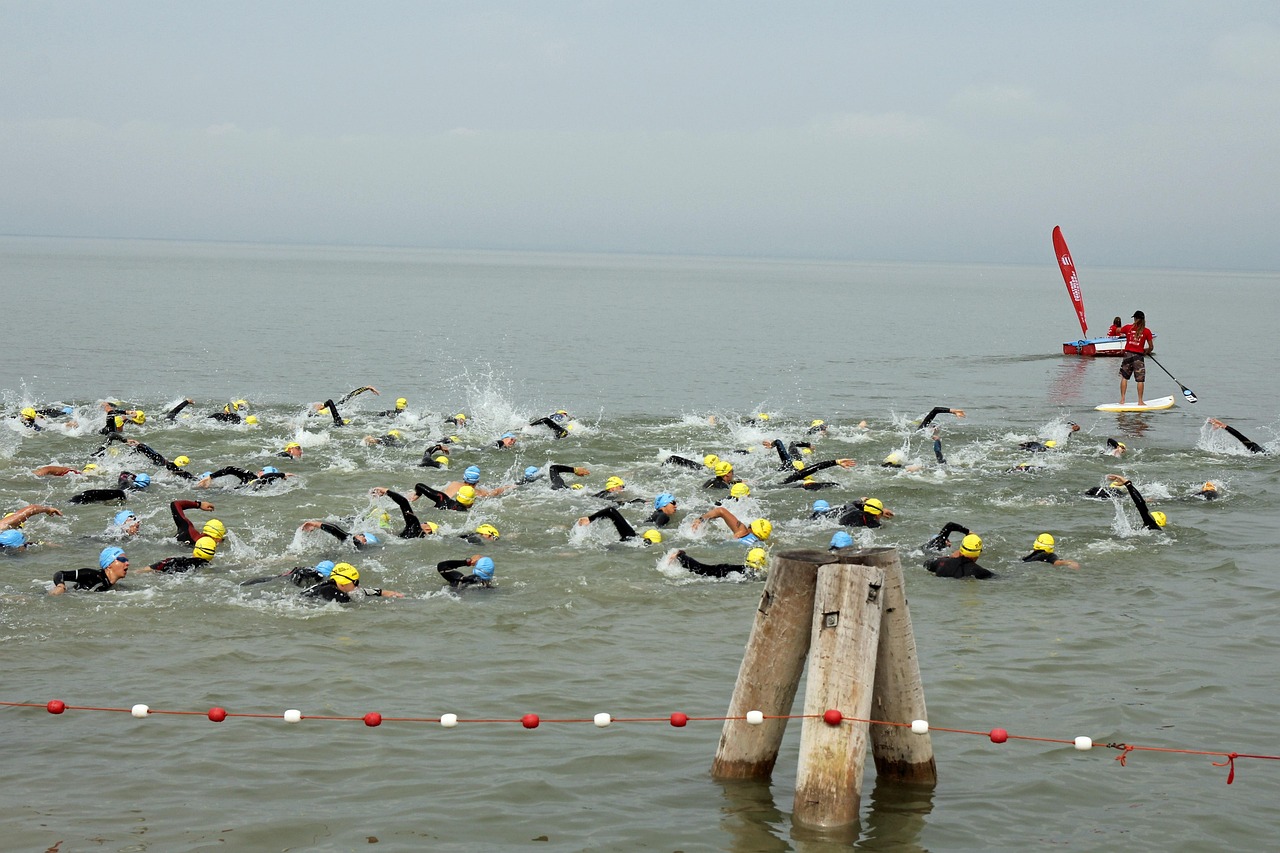
The social environment surrounding cold water swimming can add another layer of appeal to this invigorating activity. Participating in group swims often cultivates a sense of community, fostering camaraderie among enthusiasts who share a love for this jubilant experience. Many swimmers find motivation through accountability, encouraging others to join them in this transformative practice. Social swim groups or clubs often become tight-knit communities where members forge friendships, share techniques, and celebrate personal milestones together. This shared experience of embracing cold water challenges provides a supportive backdrop for individuals seeking to improve their fitness journey. Additionally, participating in organized events like charity swims or competitions allows individuals to push their limits while contributing to essential causes. Engaging in these activities enhances physical fitness and instills a renewed sense of purpose. Whether undertaking casual swims or competitive events, the social interactions that occur further enhance the overall experience. Participants typically report feeling invigorated both physically and emotionally, making cold water swimming a holistic wellness approach. Awareness around this practice continues to grow, highlighting the incredible blend of mental and physical benefits it can foster.
In conclusion, cold water swimming offers a variety of potential benefits and drawbacks that merit consideration. For those willing to embrace the chill, numerous advantageous outcomes can enhance recovery, mental toughness, and physical performance. Nevertheless, participants must remain cautious, prioritize safety, and understand personal limits to maximize their enjoyment and minimize risks. Gradual acclimatization is essential in ensuring a positive cold water experience. Additionally, it is also essential to consider one’s health circumstances and consult healthcare professionals before delving into this practice. Recognizing and respecting individual variations will contribute significantly to positive results. Social aspects surrounding cold water swimming provide additional encouragement for individuals to participate. The communal environment fosters a motivational atmosphere, allowing swimmers to improve together. Overall, cold water swimming embodies a unique, challenging, and refreshing approach to post-workout recovery. The experience can invigorate the body and mind. Those interested should approach this activity with curiosity while prioritizing safety and gradual adaptation. Embracing the cold waters can ultimately enhance overall physical and mental resilience, potentially transforming how one approaches fitness and well-being in daily life.
Getting Started Safely
To embark on a cold water swimming journey, it’s crucial to gather essential knowledge on how to do so safely. First and foremost, identify suitable local bodies of water that are safe for swimming, avoiding high-traffic areas with potential hazards. Creating a cold water swimming plan is paramount to understanding how to acclimatize gradually. Consider starting with shorter durations of exposure, allowing the body to adapt over time. Equip oneself with warm clothing for post-swim moments, as core temperature regulation is vital after cold exposure. Make sure to consult others with experience in cold water swimming for their insights, helping avoid common pitfalls that could lead to discomfort or adverse effects. Investing in a quality wetsuit can help insulate the body against cooler temperatures while providing greater buoyancy. Lastly, set up occasional goals: whether it’s swimming a certain distance or taking a leap into progressively colder waters, achieving these benchmarks fosters a greater sense of accomplishment. A supportive friend or buddy system can bolster safety and camaraderie; ensure engaging in this practice with others for reassurance. Embracing the cold can lead to thrilling adventures and self-discovery!
Ultimately, embracing cold water swimming empowers individuals to explore their potential as athletes and extract the numerous benefits of exposure to chilly environments. This exhilarating experience can stimulate personal growth and mental resilience while promoting overall wellness for those willing to take the plunge. Engaging in this practice improves physical performance, as well as emotional and social connections. The combination of these factors creates a holistic approach toward fitness and health that can enhance overall quality of life. Individuals must remember to practice caution, respect their limits, and establish a gradual approach to ensure an enjoyable and safe experience. With the correct preparation, encouragement from peers, and a focused mindset, cold water swimming can become a favored post-workout routine. It opens the door to endless opportunities to connect with oneself and others while embracing the natural elements. As this trend continues to gain traction, more individuals may discover the rejuvenating effects of cold water swimming and increase their engagement with fitness. Ultimately, everyone stands to benefit from integrating this invigorating activity into their exercise routine, pushing through personal boundaries to achieve new heights of potential.