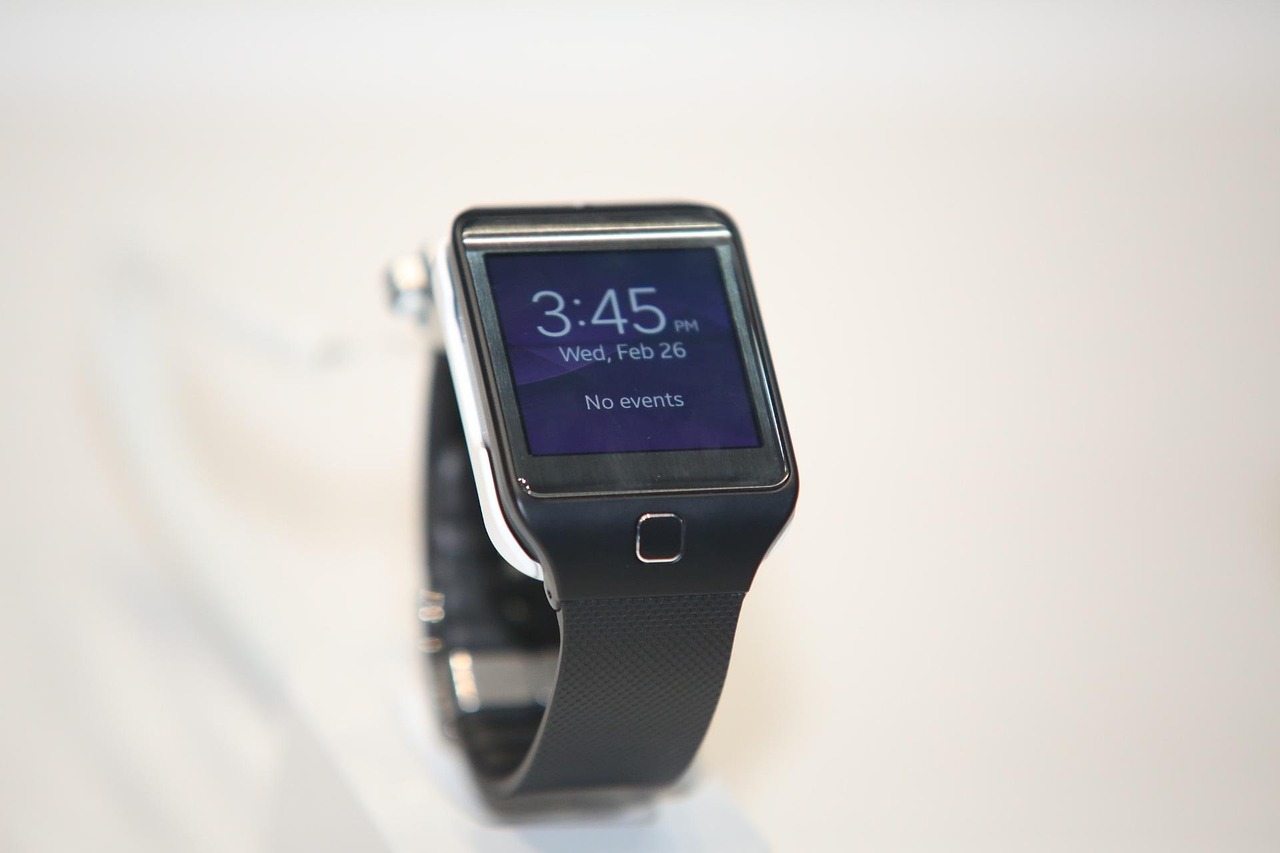

Wearable Technology and Functional Fitness: A Growing Synergy
In recent years, wearable technology has emerged as a vital tool within the realm of functional fitness. These devices, ranging from fitness trackers to smartwatches, offer real-time feedback, enabling users to monitor their physical activity effectively. By analyzing metrics such as heart rate, calories burned, and activity levels, these wearables motivate individuals to enhance their fitness routines. Moreover, wearable technology empowers users to set personalized goals, making the journey toward better health an engaging experience. As global interest in functional fitness grows, the demand for innovative wearable devices is expanding. Such technologies encourage participation in various functional fitness methodologies, including high-intensity interval training (HIIT) and functional mobility workouts. The evolving relationship between these technologies and fitness trends showcases a commitment to improved well-being. Fitness enthusiasts can benefit from accessing performance data that can guide their training, ensuring enhanced efficiency and effectiveness. Ultimately, the rise of wearable technology is transforming the fitness landscape, leading to a more informed and motivated population, ready to embrace a healthier lifestyle with the assistance of cutting-edge innovations.
Given the emphasis on community and connection, wearable technology plays a vital role in fostering social engagement among fitness enthusiasts. Many wearable devices are equipped with features that allow users to connect with friends, share progress, and participate in challenges. This social aspect not only motivates individuals to stay active but also creates a sense of accountability within functional fitness regimes. As users share their achievements and milestones, they can inspire others, contributing to a supportive community environment that encourages a healthier lifestyle. With the rise of social media, fitness enthusiasts can further engage with others through various platforms, showcasing their experiences and transformations facilitated by wearable technology. This interconnectedness enhances the overall experience of functional fitness, as users feel supported and encouraged through shared journeys. Additionally, wearable technology allows for tracking workout performance data for individuals as well as participating in larger challenges with their social circles. As this trend continues to develop, more innovative communities centered around functional fitness will emerge, driven by technology and personal engagement. Indeed, this synergy serves to empower users to reach their fitness goals and create lasting connections with others.
Adapting Fitness Regimes via Data Insights
Wearable technology’s ability to collect data has revolutionized how users adapt their fitness regimes. By analyzing performance metrics and recovery times, individuals can make informed decisions about their training intensity and schedules. This data-driven approach ensures that users minimize the risk of injury while maximizing performance. Users can also leverage historical data to identify trends over time, tracking improvements in strength and endurance. Wearables facilitate communication between trainers and clients, with trainers advising based on precise data collected during workouts. Furthermore, intelligent algorithms embedded in wearable devices can adapt training plans on-the-fly, ensuring users are always working at their optimal capacity. As functional fitness increasingly incorporates data analysis, this adaptability is becoming essential for serious fitness enthusiasts. With the wealth of information at their fingertips, users are more empowered than ever to develop custom fitness plans that align with individual needs and preferences. The combination of personal goals, instructor feedback, and metric evaluation leads to a comprehensive approach to fitness that is tailored for success. Therefore, integration of technology within the functional fitness culture is gaining momentum worldwide.
The integration of wearable technology in functional fitness also emphasizes the importance of recovery. Devices increasingly include features that monitor sleep quality, stress levels, and overall wellness, providing holistic insights into an individual’s health. This comprehensive data helps users recognize the importance of balancing effort with recovery, essentially reducing the risk of burnout or injury. For example, advanced tracking capabilities can alert users when their recovery period is inadequate, prompting them to rest adequately before resuming intense activities. Furthermore, many wearables incorporate guided breathing exercises or meditation prompts to help manage stress levels effectively. This focus on mental and physical well-being reflects a growing understanding of the intricate relationship between these two components in functional fitness. The ongoing amalgamation of recovery monitoring and workout tracking empowers users to find a more sustainable and enjoyable approach to fitness. It encourages participants to slow down and listen to their bodies, ultimately leading to a more successful fitness journey. As awareness regarding the importance of recovery expands, the role of wearable technology in assisting this process will undoubtedly grow.
The Future of Wearable Devices in Functional Fitness
Looking ahead, the future of wearable technology in functional fitness appears promising, with advancements enhancing user experience and accuracy. Continuous innovation in sensor technology is leading to devices with improved metrics that provide deeper insights into physical performance. Furthermore, improved algorithms are being developed to analyze these metrics with greater accuracy, allowing for more tailored training and recovery recommendations. The popularity of artificial intelligence (AI) integrated into wearable devices is also rising, as it presents opportunities for personalized coaching and workout design. Users will increasingly find wearables that not only track data but also offer suggestions for optimizing their routines based on individual patterns. Additionally, collaborations between tech companies and fitness experts will likely yield even more precise devices designed specifically for functional fitness enthusiasts. The expansive nature of this sector means that early adopters of technology can continually benefit from cutting-edge advancements in wearable tech. Thus, the evolution of these devices will not only shape how fitness enthusiasts train but will also influence trends in the industry for years to come.
Moreover, the integration of wearable technology with virtual reality (VR) and augmented reality (AR) platforms is set to revolutionize functional fitness experiences. As these technologies advance, users may find themselves immersed in workout environments that provide real-time feedback and gamified experiences. Imagine a user completing a HIIT workout while virtually competing with others around the world, analyzing performance metrics live through their wearables. This hybrid approach creates an engaging atmosphere that blends physical activity with enjoyment and competition. Such innovations are likely to drive user engagement and retention in functional fitness programs. Fitness trainers can also use VR and AR in combination with wearables to enhance training sessions, increasing motivation and providing unique training opportunities. Together, these technological advancements foster creativity in workouts, ensuring people remain active and excited about their fitness journeys. As the barriers between physical and virtual worlds continue to dissolve, the potential for a redefined fitness landscape will be immense. In this way, wearable technology stands as a cornerstone for the future evolution of functional fitness.
Conclusion on Technology’s Impact on Fitness
In conclusion, wearable technology is fundamentally transforming the world of functional fitness. By providing data-driven insights, fostering community engagement, and emphasizing recovery, these devices play an integral role in shaping the fitness landscape worldwide. As technology continues to advance, its synergy with functional fitness will only grow stronger, leading to personalized experiences that cater to diverse goals and lifestyles. The future appears bright for both wearables and functional fitness enthusiasts alike, as innovative solutions continue to emerge. Whether a beginner or a seasoned professional, everyone can benefit from leveraging technology to enhance their fitness journey. Therefore, understanding this synergy will empower users to take control of their health and wellness, utilizing the best tools available. As we witness ongoing trends in fitness shaped by technology, it is essential to stay informed about the latest developments and how they can benefit us in achieving our individual goals. Thus, the collaboration between functional fitness and wearable technology is not just a trend; it represents a significant shift towards healthier lifestyles.
By embracing advancements in wearable technology and integrating them into functional fitness routines, individuals can expect improved outcomes and a more enjoyable experience. Overall, investing in this technology will become increasingly justified as the demand grows for smarter, well-rounded fitness solutions. Those who adapt to such innovations early on may find themselves leading the way in the fitness community, inspiring others to join the movement toward healthier living. In this changing fitness landscape, the connection between technology and functional fitness serves as a vital asset in promoting a culture of wellness. The collective shift toward using technology for better health indicates a promising future for fitness enthusiasts globally.