
Dealing with Medication Side Effects During Exercise in Older Adults
As we age, many individuals find themselves managing various health conditions, often requiring medication. This reliance on medication can lead to side effects that may pose challenges during exercise routines. Common medication side effects such as dizziness, fatigue, and muscle weakness can significantly hinder an older adult’s ability to engage in physical activity. It becomes vital to recognize these effects and how to manage them effectively while promoting a healthier lifestyle. Consulting healthcare providers is an important step in understanding potential side effects each medication may cause. Regular communication with medical professionals allows caregivers and older adults to adjust exercise regimens accordingly. It is essential also to observe how each individual tolerates their medications while exercising. Adequate hydration and nutrient intake prior to working out can play a vital role in countering some side effects experienced during physical activities. Increased awareness of these factors can help improve adherence to exercise programs, thus fostering better overall health. Additionally, adapting exercises to individual capabilities, such as low-impact workouts, can further alleviate difficulties while keeping older adults active and fit.
Understanding Medication Side Effects
Understanding the specific side effects of medications is crucial for older adults engaging in exercise. Many older adults take multiple medications, resulting in drug interactions and heightened side effects. Commonly reported issues amongst this demographic include nausea, lightheadedness, and increased heart rate. The absorption rate of medications can be significantly impacted by physical activity, making it vital to consult with a healthcare professional before starting an exercise program. This consultation allows for an assessment of the potential risks and benefits tied to the medications taken. Ensuring that exercises are aligned with the prescribed drug regimen can effectively minimize adverse effects. Moreover, monitoring responses during physical activities provides essential insight into how medications may influence workout performance. Individuals might find that certain times of the day, particularly when medications are at their peak efficacy, facilitate easier exercise sessions. Encouragement from trained fitness trainers experienced in working with older adults can be invaluable in this process. Incorporating gentle stretching and gradual warm-ups enhances muscle readiness, thereby reducing the likelihood of injury or exacerbation of side effects.
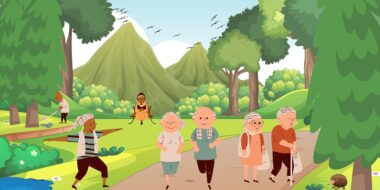
Creating a supportive exercise environment is essential for older adults managing medication side effects. Engaging in physical activity in a familiar and comfortable setting promotes confidence and assurance. Inviting family members or friends to join can serve as both emotional support and motivation. Additionally, peer support groups focusing on fitness and aging can be incredibly beneficial. These groups provide shared experiences and insights, contributing to an overall enhanced understanding of living actively with medication side effects. A structured exercise program can help improve strength, balance, and flexibility, reducing the likelihood of falls and injuries. More extensive workout classes tailored for older adults can offer various options to accommodate individual needs. Careful consideration of the individual’s physical limitations will contribute to positive experiences during exercise. Safety should remain paramount, involving modifications that ensure older adults do not overexert themselves. Simple activities, such as walking or seated exercises, can still be effective. Each person should recognize signs of overexertion and be encouraged to listen to their bodies. Adapting routines to better suit them often results in enhanced participation levels.
Choosing the Right Exercises
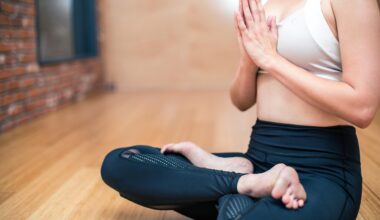
Choosing the correct types of exercises is fundamental when considering medication side effects. Low-impact activities promote cardiovascular health and can be easier to handle for those experiencing fatigue or instability. Swimming, for instance, is an excellent option as it provides buoyancy, reducing joint stress while encouraging mobility. Yoga and tai chi are equally good options focusing on flexibility and balance. These forms of exercise can alleviate tension and enhance overall physical and mental well-being. Finding enjoyable activities is crucial in maintaining motivation. Engaging in exercises done with friends or in group settings further increases enjoyment and adherence. Additionally, incorporating strength training into routines helps combat muscle atrophy associated with aging, promoting better functional independence. Prioritizing enjoyable forms of workouts leads to improved mental health and socialization among older participants. Making these practices a regular schedule can further create positive habits surrounding exercise. Furthermore, pairing these exercises with mindfulness techniques can enhance the overall positive impacts. Older adults should remain open to trying new activities that match their preferences as part of this journey towards healthier living while managing medications effectively.
Communication regarding any side effects experienced during exercise should remain open with healthcare professionals. Feedback about the physical responses observed can aid in medication management and empowering older adults to adjust their exercise routines. For instance, reporting consistent fatigue or dizziness can lead to adjustments in medication dosing or timing, which can improve exercise tolerance. Active engagement in self-assessment is as vital for managing medication side effects. Individuals may keep journals documenting their experiences, which can guide discussions with their healthcare providers. This diary can include times of exercise, difficulties encountered, and overall feelings of well-being. Recognizing patterns in side effects might lead to discovering personal approaches to combat them successfully. Experimenting with workout times, frequency, and durations can yield positive outcomes. Empowering older adults to acknowledge their bodies’ signals will surely lead to improved health outcomes. Confidence builds through experiences, making each individualized adjustment worthwhile. Active involvement in developing exercise programs will cultivate independence and self-efficacy in managing medication side effects. Emphasizing gradual progression and celebrating successes, no matter how small, can foster robust physical health.
Additional Resources and Support
Access to additional resources and support systems can help older adults navigate their exercise journey more efficiently. Local community centers often provide fitness programs developed for the aging population, specifically considering their medical needs and limitations. These centers frequently have certified trainers knowledgeable about the unique challenges faced by older adults. Online platforms also present a plethora of resources focusing on fitness while managing medication side effects. From instructional videos to discussion forums, connecting with others in similar situations can impart valuable insights. Health professionals, such as physical therapists, can offer individualized assessments to create tailored exercise programs matching specific needs. Many hospitals and clinics offer workshops focusing on safe exercise practices too. Taking advantage of these resources allows older adults to frame their exercise experiences positively rather than allowing medication side effects to dominate. Family involvement remains crucial, encouraging supports from loved ones or caregivers to aid adherence to programs. Building networks with peers who share similar experiences can greatly bolster motivation. A well-rounded support system serves as a powerful ally in achieving health and wellness goals throughout the aging process.
In conclusion, dealing with medication side effects during exercise for older adults necessitates a comprehensive approach. Combining awareness of medication impacts, supportive environments, and suitable exercise choices leads to positive outcomes and improved quality of life. Encouragement should come from every aspect; including professionals, family, and community supports strengthens the resolve of older adults facing these challenges. Most importantly, older adults should always prioritize listening to their bodies, adapting their routines when necessary. Celebrating small victories throughout this journey can significantly enhance motivation. Each above facet plays a significant role in fostering resilience among older adults, allowing them to overcome barriers caused by medication side effects. Proactively managing exercise routines lays a solid foundation for enduring health. Remember, it’s never too late to take steps toward a more active lifestyle. Engaging in physical activities enhances strength and mobility while empowering older adults with confidence in their abilities. Through ongoing support, education, and proper programming, facing challenges related to medication side effects becomes manageable and achievable. Maintain a focus on building sustainable habits that nurture growth and healthy aging experiences.
In conclusion, dealing with medication side effects during exercise for older adults necessitates a comprehensive approach. Combining awareness of medication impacts, supportive environments, and suitable exercise choices leads to positive outcomes and improved quality of life. Encouragement should come from every aspect; including professionals, family, and community supports strengthens the resolve of older adults facing these challenges. Most importantly, older adults should always prioritize listening to their bodies, adapting their routines when necessary. Celebrating small victories throughout this journey can significantly enhance motivation. Each above facet plays a significant role in fostering resilience among older adults, allowing them to overcome barriers caused by medication side effects. Proactively managing exercise routines lays a solid foundation for enduring health. Remember, it’s never too late to take steps toward a more active lifestyle. Engaging in physical activities enhances strength and mobility while empowering older adults with confidence in their abilities. Through ongoing support, education, and proper programming, facing challenges related to medication side effects becomes manageable and achievable. Maintain a focus on building sustainable habits that nurture growth and healthy aging experiences.