Common Injuries in Dance Fitness and How to Prevent Them
Dance fitness is an exhilarating way to stay physically active, combining fun and effective workouts with a wide variety of musical genres. Participants often engage in high-energy routines which can lead to injuries if proper precautions are not taken. Among the most common dance fitness injuries are sprains, strains, tendonitis, and stress fractures. These injuries typically result from improper techniques, lack of warm-up, inadequate cool-down, or insufficient conditioning. To prevent such injuries, dancers should incorporate a proper warm-up routine that includes dynamic stretches to prepare muscles for intensive activity. It is equally important to perform cool-down exercises post-dance to allow the body to gradually return to its resting state. Supplementing dance fitness with strength training and flexibility workouts also helps in enhancing overall physical resilience, making dancers less prone to injuries. Protecting joints and tendons is key, hence wearing supportive footwear plays a crucial role. Additionally, dancers should focus on maintaining a balanced diet to support muscle recovery and overall fitness. Nutritional intake directly influences a dancer’s performance and injury resistance.
One common injury among dance fitness enthusiasts is the ankle sprain, which occurs when the ankle twists or rolls, damaging ligaments. This injury is frequently sustained during jumps, turns, or uneven landings. To combat this, individuals should engage in ankle-strengthening exercises like calf raises or resistance band workouts. These targeted strength exercises not only bolster the ligaments but also enhance overall balance, minimizing the risk of future injuries. Moreover, practicing proper landing techniques by bending the knees and maintaining a centered weight distribution can significantly reduce the likelihood of ankle sprains. Dancers should also consider incorporating yoga or balance exercise into their routine, as this can improve proprioception and body awareness, further aiding in the prevention of sprains. Furthermore, if an ankle sprain occurs, applying the RICE method—Rest, Ice, Compression, Elevation—can expedite healing and ensure a safe return to dance fitness. Lastly, listening to your body is crucial; if pain persists or worsens, seeking professional medical advice is recommended to address underlying issues.
Tendonitis: Understanding the Risks
Tendonitis is another prevalent issue in dance fitness, often affecting dancers’ knees, hips, or shoulders, resulting from overuse. This condition arises when tendons become irritated or inflamed, typically due to repetitive movement. To help prevent tendonitis, dancers must prioritize cross-training and rest, allowing certain muscle groups to recover while still staying active. Including low-impact activities like swimming or cycling can build strength without overtaxing overworked tendons. Implementing modifications in dance routines to avoid repetitive stress can also prove beneficial. Regular stretching before and after dance sessions can help maintain flexibility and reduce tension on the tendons. If tendonitis symptoms appear, such as pain or tenderness around joints, modifying movements and seeking physical therapy can prevent conditions from worsening. Additionally, positioning the body correctly during various dance moves is vital; practicing under the guidance of experienced instructors can help dancers learn safe positioning techniques. Being proactive about injury awareness and management can lead to enduring enjoyment and performance in dance fitness.
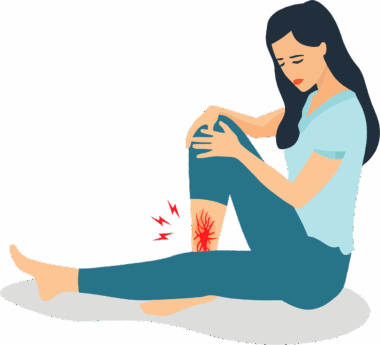
Stress fractures are another concerning injury in the dance fitness realm, primarily resulting from repetitive impact and not enough recovery time. These small cracks in the bone commonly occur in the foot or lower leg. Dancers typically ignore early signs of distress, leading to more severe injuries later. Therefore, it’s essential to monitor for symptoms such as localized pain and swelling. To prevent stress fractures, gradually increasing the intensity and duration of dance workouts is imperative. A balanced approach that includes proper rest days aids in the recovery of overworked joints. Additionally, nutrition plays a crucial role; ensuring adequate calcium and vitamin D intake helps maintain bone health. It’s also advisable to vary the types of dance practiced, as this can distribute stress across different muscle groups, reducing overload and risk of fractures. When incorporating new routines, dancers should ease into unfamiliar movements to reduce the potential for injury. Remember, rest is just as important as training in dance fitness, allowing muscles to recover and grow stronger.
Addressing Muscle Strains
Muscle strains are a frequent concern in dance fitness, often occurring when muscles are overstretched or excessively contracted. This type of injury commonly affects the hamstrings or quadriceps, especially during high-impact routines. Incorporating gradual warm-up sessions that specifically target these muscle groups is crucial for reducing the risk of strains. Additionally, learning proper technique and executing movements with correct form is vital; incorrect posture can lead to undue stress on muscles. Dancers should also consider enhancing core strength, as a strong core provides better stability and control, which is pivotal for executing many dance movements safely. It’s beneficial to work on flexibility alongside strength training to create a well-rounded fitness routine. Injured dancers often overlook the importance of rest; allowing muscles time to recover is crucial, and compressing or icing the affected area can alleviate pain. If pain persists, a consultation with a healthcare provider will ensure effective recovery. By understanding body mechanics and adapting workouts to individual limits, dancers can minimize the risks associated with muscle strains.
Injuries in dance fitness can often lead to long-term repercussions if not addressed appropriately. This is particularly true for dancers who strive to push through pain, believing it signals strength and dedication. Prioritizing safety is critical; dancers should engage with medical professionals when experiencing injury signs. Proactive injury prevention methods not only involve recognizing early symptoms but also fostering a cultural shift within dance fitness communities toward prioritizing mental wellness along with physical health. Embracing recovery as a critical aspect of fitness allows participants to gradually reintegrate into dance without risking further injury. Developing a supportive network within class environments fosters openness about injury concerns and encourages collective responsibility for injury prevention. Furthermore, dancers can collaborate with health care professionals, nutritionists, and trainers to establish comprehensive training strategies tailored to personal needs. Social media platforms can also be valuable for sharing insights on injury management and prevention in dance fitness, thus creating a wider conversation around the subject. Through continuous education, dancers can sustain their passion for fitness while effectively minimizing injury risks.
Conclusion: Nurturing Your Body
In conclusion, injury prevention in dance fitness must focus on awareness, education, and protective strategies to ensure the longevity of participants. Adopting a holistic approach toward training—incorporating strength, flexibility, and recovery—positively impacts dancers’ overall well-being while they pursue their passion. Establishing a proper warm-up routine, learning efficient movement mechanics, and prioritizing nutrition all contribute to enhancing dancers’ performance without the fear of injury. Additionally, essential recovery time allows the body to adapt, grow stronger, and prepare for continual activity. Emphasizing a supportive atmosphere within dance fitness communities also fosters an understanding attitude toward injury concerns, enabling participants to voice their needs without feeling stigmatized. Knowledge truly empowers dancers, equipping them with techniques to effectively navigate their fitness journeys while minimizing risks. The journey ahead in dance fitness is promising and enjoyable with the right approaches of self-care. Adopting these preventive measures ensures more enjoyable experiences, nurtures one’s body, and promotes fulfilling engagement in this artistic form of fitness for years to come.