
Postural Assessment Techniques Used in Pilates
Postural assessment in Pilates focuses on analyzing alignment to enhance the effectiveness of workouts. It plays a vital role in identifying muscular imbalances and postural deviations that can lead to chronic pain or injury. Instructors observe clients standing, sitting, and moving to assess their posture dynamically. By evaluating how clients hold their bodies under various circumstances, instructors can identify areas requiring improvement. They often utilize visual cues, key markers, and verbal feedback to guide assessment. A commonly used approach includes the plumb line method, where it’s determined if body segments align vertically. Effective training strategies involve tailoring sessions to address specific needs uncovered during assessments. Additionally, trainers might encourage clients to document their progress through various assessments over time. Customizing programs fosters better long-term results and reinforces clients’ accountability. Regular assessments help ensure that exercises align with individual physical conditions, promoting safe practice. To achieve the most out of Pilates, a comprehensive understanding of each individual’s posture is essential for successful outcomes.
Assessing shoulder alignment is crucial in Pilates for correcting postural issues. Many individuals experience shoulder dysfunction due to poor posture, leading to various complications. Trainers evaluate shoulder positioning by noting the height of the shoulders and their symmetry. Muscle imbalances often manifest as a result of daily activities, causing one shoulder to appear higher or more forward than the other. The shoulder blade position can also provide valuable insights into one’s posture and potential dysfunctions. Instructors guide clients through exercises targeting retraction and depression of the shoulder blades, improving overall posture. Encouraging clients to engage their upper back muscles during exercises enhances spinal alignment and supports shoulder health. Furthermore, Pilates utilizes the concept of core stability, integrating it into shoulder alignment improvements. Implementing exercises that focus on shoulder stabilization promotes better biomechanics and helps prevent injuries. Instructors often emphasize breathing techniques to assist clients in achieving proper alignment. These techniques help clients develop an awareness of their shoulders and upper body. Learners are encouraged to maintain their shoulder awareness during exercises for optimal results.
Pelvic alignment is another essential aspect of postural assessment. The pelvis serves as the foundation for the entire body and supports lumbar function and stability. Identifying pelvic tilts—anterior or posterior—can significantly impact overall body mechanics and straighten posture. Instructors often assess clients using the ASIS (anterior superior iliac spine) and PSIS (posterior superior iliac spine) alignment as key markers. Proper alignment indicates balanced muscle engagement which is crucial for effective movement. Pilates exercises target the pelvic floor, strengthening and stabilizing the area to maintain correct alignment throughout sessions. The neutral spine concept is fundamental in Pilates, ensuring that practitioners maintain proper positioning while performing exercises. Instructors employ breathing techniques to further facilitate pelvic stability and proper posture. Teaching clients to activate their core during exercises enhances pelvic control and lumbar support. Overall, ensuring correct pelvic alignment contributes to injury prevention and optimal performance. Regular assessments help to track progress and any changes to pelvic positioning over time, promoting accountability and results among clients.
Functional Movement Screening for Posture
Functional movement screening plays a significant role in comprehensive postural assessments within Pilates. By evaluating how clients move through specific functional patterns, instructors can gain deeper insights into their posture and overall fitness. Various movement tests, such as squats and lunges, provide crucial information about balance, flexibility, and strength. Assessing these fundamentals aids in spotting restrictive patterns, ensuring that resulting Pilates programs are well-balanced and tailored. Clients may undergo a comprehensive posture assessment at the beginning of their Pilates journey to create a personalized regimen focusing on individual needs. These initial assessments lead to more effective and injury-preventive approaches tailored to their weaknesses. Regular retesting allows trainers to monitor progress over time and adjust programs to reflect improvements and evolving physical conditions. Additionally, gathering client feedback throughout the process enhances their understanding and engagement while promoting self-awareness of postural habits. Overall, functional movement screening is invaluable for formulating individualized training and enhances the efficacy of Pilates sessions significantly.
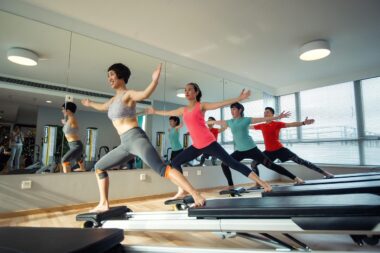
Integration of visual feedback during assessments can dramatically enhance clients’ self-awareness in posture. Instructors utilize mirrors as a tool during Pilates sessions, offering real-time visual cues regarding alignment and muscle engagement. Clients can observe their posture while performing exercises, allowing for immediate corrections and improvements. This interactive approach empowers them to develop a better understanding of their physical bodies and movement patterns. Encouraging clients to self-check through defined markers during sessions leads to improved postural control over time. Adding verbal cues reinforces their understanding of alignment and essential body mechanics during practice. Instructors guide clients to note discrepancies in their movements, fostering a dialogue about progressive adjustments. Effective communication between instructor and client is key to successful assessments, cultivating a positive and proactive learning environment. Incorporating visual feedback into practice not only aids in correcting posture but also builds confidence in clients, increasing their willingness to explore challenges. This dynamic focus encourages continuous learning and growth throughout their Pilates journey.
Monitoring client progress during Pilates sessions ensures the effectiveness of postural assessments. Instructors often use tracking forms and checklists to gauge improvements over time. Documenting session notes highlights key movements and adjustments made throughout training, providing valuable insights. Regularly scheduled assessment sessions create accountability as well as motivation for clients to stay committed to their wellness goals. Discussing progress with clients fosters a collaborative atmosphere and empowers them to take ownership of their fitness routines. Continuing education for instructors is also crucial in understanding evolving assessment techniques and trends in the Pilates community. By staying up-to-date, trainers can adapt their methods to benefit their clients effectively. Engaging in workshops and seminars promotes a shared knowledge base, enhancing each instructor’s ability to provide personalized programs. Moreover, implementing outcome measures and assessments allows for data collection that supports targeted program adjustments. Instructors should be flexible in adapting their approaches to align with clients’ needs and emerging trends in postural assessment. This ongoing evolution is fundamental for cultivating a successful Pilates practice that yields desired fitness results.
Conclusion: Enhancing Posture Through Continuous Assessment
In summary, postural assessment techniques in Pilates are crucial for improving overall body alignment and function. Evaluating and addressing muscular imbalances fosters an enhanced fitness experience that emphasizes injury prevention. Employing various methods—such as visual feedback, functional movement screening, and individualized plans—enables instructors to tailor programs to meet clients’ unique needs. Monitoring progress throughout each session creates a culture of accountability, promoting continuous improvement. Communication between instructors and clients plays a vital role in developing awareness and encouraging clients to take ownership of their posture journey. The integration of innovative techniques and tools ensures effective outcomes while fostering an engaging environment for personal growth. Continually educating instructors remains an essential aspect of enhancing Pilates practice, adapting methods to meet evolving client needs. Commitments to ongoing assessment solidify success in cultivating greater awareness and improved posture over time. Ultimately, Pilates serves not only to strengthen but also to educate its practitioners about their bodies and movements. Consequently, this empowers individuals in their journey towards achieving better postural alignment and a healthier lifestyle.