Non-Training Day Meal Planning for Optimal Recovery
When it comes to post-workout nutrition on non-training days, optimizing recovery is crucial. Recovery nutrition aids in muscle repair, provides energy, and prepares the body for future activities. It’s important to design your meals thoughtfully during these off days to ensure you maintain the gains achieved during training. Focus on incorporating nutrient-dense foods that are rich in protein, healthy fats, and complex carbohydrates. For protein, consider foods such as lean meats, eggs, dairy, or plant-based alternatives like beans and lentils. Healthy fats, including avocados, nuts, and olive oil, should also be a focal point. Complex carbohydrates like whole grains, quinoa, and sweet potatoes supply energy for recovery and support overall muscle function. Adequate hydration is equally important; replenish fluids lost during workouts to support recovery and digestion. Additionally, incorporating vitamins and minerals through fruits and vegetables helps combat fatigue and reduces inflammation. Make a plan for meals that include these components and consider timing your meals appropriately throughout the day. Structure your nutrition, and you’ll enhance your recovery on those crucial non-training days.
On non-training days, it’s essential to emphasize balanced meals that support recovery without the caloric surplus typically needed on training days. Begin your day with a nutrient-rich breakfast, integrating protein sources such as Greek yogurt, scrambled eggs, or cottage cheese. Pair these with fiber-rich fruits like berries or bananas to fuel your morning and enhance satiety. A hearty bowl of oatmeal topped with nuts and dried fruits can also be an excellent choice. For lunch, aim for a balanced plate consisting of lean protein, complex carbs, and healthy fats. Grilled chicken or tofu paired with quinoa and a side of mixed vegetables can meet this need perfectly. Be mindful of portion control; off days don’t require as many calories if you’re not training. In the afternoon, a snack can help keep energy levels stable. Consider protein bars, smoothies, or nut butter with whole-grain crackers. As the day progresses, keep dinner simple yet nutritious. Broiled salmon, brown rice, and steamed broccoli can provide a wholesome end to your day. Throughout it all, hydration remains key in aiding recovery and sustaining energy levels.
The Importance of Nutrient Timing
Nutrient timing can significantly impact recovery, even on non-training days. Prioritize your meal composition to enhance muscle repair and recovery. While engaging in intense exercise, your muscles are subjected to strain, leading to micro-tears. The body needs specific nutrients to adequately repair these damages, promoting muscle growth and recovery. After a workout, aim to consume meals rich in protein within a few hours to maximize recovery benefits. Incorporating healthy snacks throughout the day, like a protein shake or a handful of mixed nuts, can help bridge the gap until your next meal. If you’re following a structured eating routine, maintaining smaller meals can be beneficial. Spreading your meals evenly throughout the day ensures a steady influx of nutrients that assists recovery. Additionally, introduce anti-inflammatory foods such as fatty fish, turmeric, and leafy greens into your diet. These will help mitigate muscle soreness and expedite recovery. Keeping your digestive system efficient with fiber-rich foods will further enhance the body’s recovery response. By prioritizing nutrient timing, you’ll improve muscle recovery while prepping for your next workout session.
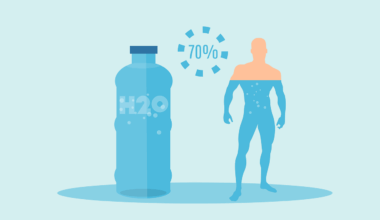
Hydration mustn’t be overlooked during recovery on non-training days. Though you may not be sweating profusely, your body still requires adequate fluid intake. Water plays a vital role in numerous bodily functions, and staying hydrated ensures optimal performance when you train again. Aim to consume water consistently throughout the day, not merely when you’re thirsty. Incorporating hydrating foods into your meals, like cucumbers and watermelon, can also support your hydration needs. Herbal teas and coconut water can provide additional hydration along with electrolytes, improving overall wellness. Monitoring your hydration levels can be achieved by observing the color of your urine; light yellow is typically a sign of proper hydration. Avoid excessive caffeine or sugary drinks, as these can contribute to dehydration. Instead, focus on natural beverages that offer hydration and additional nutrients. On days following intense workouts, consider supplementing with electrolyte drinks or smoothies packed with fruits and vegetables. Recovery nutrition is a comprehensive approach where satisfying your body’s hydration needs plays an important role in preparing it for future training success.
Strategic Meal Planning
Strategically planning your meals on non-training days ensures proper recovery and sustains energy levels. To maximize recovery, prepare meal components in advance. Meal prepping can save time and maintain nutritional balance. Spend some time during the weekend to cook proteins, grains, and chop vegetables for easy access throughout the week. This way, you avoid reaching for unhealthy, quick options. Consider building meals that can easily be combined, allowing for creativity while preventing boredom. A simple template might include a protein source, a starchy carbohydrate, and a vegetable side. For example, grilled chicken, brown rice, and steamed vegetables offer a robust meal option. You can modify flavors with different herbs and spices to keep things interesting. Incorporate snacks that facilitate recovery, such as protein shakes or homemade energy balls crafted from oats and nut butter. Flexibility is key in your planning, adapting meals to suit your schedule and hunger levels. As you adhere to this strategic approach, the emphasis remains on balanced intake supporting optimal muscle recovery and growth on those non-training days.
To further enhance recovery, consider the role of micronutrients in your diet. Vitamins and minerals are crucial components aiding in recovery, as they can reduce oxidative stress and support muscle repair. Leafy greens, nuts, and colorful fruits pack a wealth of antioxidants and nutrients that combat inflammation. Foods like spinach, kale, and blueberries provide essential vitamins, while magnesium found in nuts assists muscle relaxation, improving recovery time. Don’t forget the importance of Vitamin D, which supports bone health and reduces the risk of injury. For those lacking sun exposure, tempeh, fatty fish, and fortified products can be beneficial sources. When striving for effective post-workout recovery, creating a well-rounded meal plan means accounting for both macronutrients and micronutrients. It is advisable to reflect on your nutrition habits and ensure you’re not neglecting any vitamins or minerals in your meals. A varied diet heavy in colorful fruits and vegetables helps ensure you get all necessary nutrients to support your recovery efficiently. Take the time to explore and experiment with foods that please your palate while keeping your meals nutritionally rich.
Combining Recovery with Rest Days
On non-training days, it’s important to pair recovery protocols with proper rest. Rest days are not synonymous with inactivity; instead, they are crucial for muscle repair and overall wellness. For optimal results, combine tailored nutrition with sufficient sleep and gentle physical activities, such as stretching or yoga. The goal is to allow muscles to recuperate fully while sustaining some amount of movement to maintain range of motion. Regular sleep, ideally ranging between 7 to 9 hours per night, fosters recovery by regulating hormones and maintaining energy levels. You may also benefit from incorporating stress management techniques into your routine. Elevated stress levels can hinder muscle recovery and energy. Mindfulness practices, light walks, and breathing exercises can promote relaxation. Nutritious meals should remain a priority to complement this restful routine, focusing on proteins for muscle repair and carbohydrates for sustained energy. Ultimately, the link between nutrition, rest, and recovery plays a vital role. By treating non-training days with the same care and focus as you do your workout days, you’re investing in your fitness and overall health.
In conclusion, the significance of post-workout nutrition on non-training days cannot be overstated. Tailoring your meals around recovery strategies focuses on optimizing muscle repair and overall fitness gains. Each element, from your choice of macronutrients to your micronutrient intake, plays a vital role. Take time to plan meals that deliver a balance of proteins, carbs, and fats, while also incorporating vitamins and minerals that bolster recovery. Hydration is always an integral part of this process, ensuring you replenish fluids lost during training and everyday activities. As you curate your nutritional strategy, consider meal options that align with your preferences and needs, making recovery enjoyable rather than a chore. Remember, effective recovery nutrition isn’t just about what you’re eating but also when you’re consuming it. By timing your meals wisely throughout the day, you can foster a more efficient recovery process. Prioritizing rest and sleep will enhance the effects of your nutritional choices. Hence, a holistic approach that encompasses meal planning and self-care will synergize to ensure optimum recovery on non-training days. Pay attention to these factors, and your body will reciprocate with improved performance and results.