
Customized Core Conditioning Plans for Individual Posture Needs
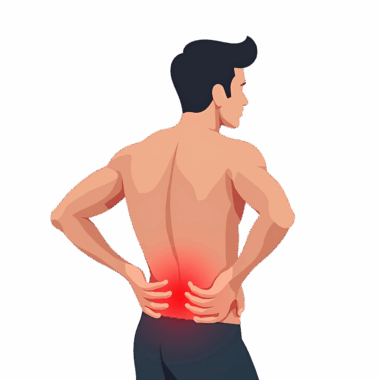
Core conditioning is vital for achieving good posture, which impacts overall physical well-being. An effective plan begins with understanding individual needs, strengths, and weaknesses. Customized programs allow for exercises that cater specifically to unique postural challenges. These plans are essential for everyone, from office workers to athletes. Indicators of poor posture can often lead to discomfort and long-term physical issues. Addressing these through tailored core strengthening can provide relief and promote overall body alignment. Each exercise included should focus on stabilizing the body while enhancing flexibility. Moreover, consistency is crucial for effectiveness in achieving goals. One must engage in these conditioning exercises multiple times per week for optimal results. A well-rounded routine will typically address muscles in the abdomen, back, and pelvic region. This helps in developing a strong foundation. Individuals might benefit from incorporating various formats into their workouts, such as yoga, Pilates, or specific strength training regimes. Learning proper technique is vital to prevent injury. Transitioning to more advanced exercises should be based on proficiency and comfort, ensuring a gradual progression.
One important aspect of custom core conditioning is the assessment phase, where practitioners evaluate postural alignment and muscle imbalances. This assessment serves to identify specific areas of weakness and strength, allowing for targeted exercise selections tailored perfectly to each individual. Various testing methods can include visual posture evaluations or functional movement screenings. Such assessments help in creating a baseline, allowing for measurable progress tracking throughout the program. Furthermore, incorporating elements like flexibility tests may reveal tight muscle groups that hinder proper posture. A comprehensive approach to core conditioning needs to include stretching and mobility work alongside strengthening exercises. Incorporating dynamic movements can also be beneficial, as they simulate real-life mechanics, providing valuable functional strength. As individuals progress, revisit and reassess to ensure the program remains effective and relevant to changing needs. Adjustments should occur to align with any new goals or improvements seen during the regimen. Implementation of techniques such as biofeedback may further enhance awareness and posture correction. Real-time feedback within a workout setting can help in refining techniques to maximize benefits. This focused attention encourages individuals to remain connected with their bodies throughout the conditioning process.
The Importance of Core Engagement
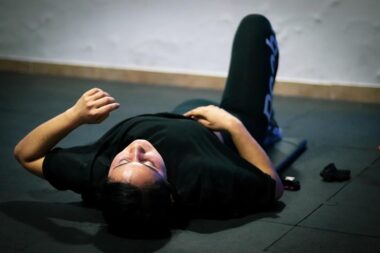
Core engagement plays a critical role in stabilizing the body during movement. A well-conditioned core acts as a power center for the body, supporting good posture and facilitating effective movement patterns. Engaging the core prepares the body for various physical activities, reducing the risk of injury, especially for those with compromised posture. Strengthening the core helps to maintain alignment, ensuring the spine is supported, which is particularly important during dynamic activities or resistance training. Furthermore, a strong core contributes to improved balance, coordination, and agility. Enhancing these attributes benefits overall athletic performance and daily activities alike. By including exercises such as planks, bridges, and rotational movements, individuals can work on core stability and strength. These exercises must be performed with the correct technique to ensure maximum efficiency. Core workouts should gradually increase in intensity, integrating instability challenges as strength improves. This progressive training stimulates adaptive responses necessary for postural improvement. Individuals should also prioritize functional movements to link core strength with functional stability. Employing tools like stability balls, balance boards, or resistance bands can add variety and further challenge, enhancing engagement during workouts.
Incorporating proper breathing techniques into core strengthening exercises is pivotal for optimizing results. Breathing correctly allows for more effective muscle engagement, enhancing overall functional capacity. Many individuals neglect breath control, which can limit their performance and progress. Utilizing techniques such as diaphragmatic breathing promotes oxygen intake while helping to stabilize the core. This synergy between breath and core engagement maximizes energy efficiencies during workouts. Educating individuals about the connection between breath, posture, and core strength encourages them to adopt these practices consciously. Incorporate breathing exercises within the core conditioning plans, creating new habits for each session. Furthermore, focusing on breath control can alleviate tension within the body, particularly when transitioning between exercises. Motivation can stem from excellent breathing techniques, pushing individuals to reach their targets with improved focus. Mindful breathing also provides a mental reset during workouts, enhancing overall experience and performance. Core conditioning plans can incorporate various breathing maneuvers, targeting different muscle groups and recruitment patterns. This holistic approach to core work ensures that individuals exceed simply building strength, reinforcing the importance of mindful practice in their regimen.
Incorporating Functional Training
Functional training focuses on exercises that replicate daily movements, enhancing strength through real-world application. When incorporated into core conditioning plans, it allows individuals to build a strong core that supports their everyday activities and athletic endeavors. These exercises often engage multiple muscle groups and promote optimal movement patterns essential for overall physical health. Functional exercises for core conditioning can include squats, lunges, and deadlifts— all integrating core engagement while improving stability and balance. Involvement in functional movements bridges the gap between isolated workouts and practical applications outside the gym. By improving postural alignment through functional core training, people can also boost their quality of life. Individuals can instantly feel the benefits during routine tasks, reducing fatigue and discomfort. Adding balance-based functional exercises can enhance proprioception, vital for injury prevention. Engaging with resistance bands or medicine balls can further challenge these functional workouts while keeping them diverse and exciting. Each session should strive for variety, applying creative progressions to prevent plateaus and maintain motivation. Regularly rotating the exercises keeps the routines fresh and exciting, promoting adherence and nurturing the desire to achieve personal goals.
The future of core conditioning involves the integration of technology and individual preferences. As fitness technology continues to evolve, personalized workouts can become increasingly sophisticated. Wearable fitness trackers and apps allow for tailored solutions and immediate feedback on performance metrics. Coaches and trainers can leverage this data to make real-time adjustments to conditioning plans based on individual progress, ensuring that workouts remain relevant and beneficial. Virtual training options are also gaining popularity, making expert guidance accessible to people anywhere. These platforms may offer customized programming based on individual postural assessments, ensuring that users can access effective routines from the comfort of home. Continued education on posture assessment and correction techniques can enhance overall workout quality. This adherence to a long-term perspective fosters sustainable habits, allowing for a robust understanding of personal core strength and postural health. As more individuals commit to their core conditioning, ongoing support through community interactions and online forums may provide additional motivation. Encouraging collaboration and communication among users reduces feelings of isolation in their fitness journeys, creating a strong support network that fosters lasting change and personal growth.
Conclusion: The Path Forward
Custom core conditioning plans tailored to individual needs play a vital role in enhancing posture and overall physical health. The journey toward improved posture requires dedication, consistency, and personalized approaches that address unique challenges. By focusing on core strengthening, individuals not only improve their posture, but they also enhance their physical performance and prevent long-term injuries. Integrating assessments, functional training, breathing techniques, and technology fosters an environment conducive to effective results. Establishing a strong foundation in core stability is critical for many populations, from fitness enthusiasts to rehabilitative needs. The future of core conditioning lies in personalized solutions that adapt to individual preferences and progress levels, paving the way for improved outcomes. Motivation and education are key components of long-term success, encouraging individuals to remain engaged and committed to their plans. As the fitness industry continues to innovate, we can expect an increase in the availability of resources, programs, and support that help nurture better core health. Ultimately, prioritizing a strong core leads to improved posture and greater overall health benefits.
This last piece focuses on how sustained effort contributes to a seamless integration of core strength into real life, creating resilient and empowered individuals.