
Supplements for Vegetarians Who Exercise Regularly
For vegetarians who exercise regularly, ensuring adequate nutrient intake can be challenging. Supplements can bridge gaps in your diet, providing essential vitamins and minerals that support physical activity. Here are several important supplements to consider. First, protein powders can be beneficial, particularly those derived from peas, brown rice, or hemp. They aid in muscle recovery and overall repair after intense workouts. Creatine is another supplement worth exploring; it helps enhance physical performance by boosting energy levels during short bursts of exercise. Fish oil is an excellent source of Omega-3 fatty acids, supporting heart health and reducing inflammation, even if you are not consuming fish. For vitamin B12, critical for energy metabolism, consider a high-quality vegan supplement. Vitamin D is equally essential, particularly for those not regularly exposed to sunlight, aiding in bone health. Furthermore, supplements that contain iron are vital to prevent fatigue, particularly among vegetarians. Finally, consider using a multivitamin to cover any additional nutritional bases that might be lacking. Consult with a healthcare provider to tailor the right supplement plan for your needs.
When it comes to vegetables and legumes, it’s important to pair foods smartly. For instance, combining lentils with rice can provide complete protein, yet some nutrients may still require supplementation. B vitamins play a crucial role in energy production, ensuring that you feel energized after workouts. Supplements can assist in meeting the demands of an active lifestyle, especially if you are following a strict vegetarian diet. Iron is often deficient in vegetarian diets, leading to fatigue and decreased performance. By using an iron supplement, especially in conjunction with vitamin C for optimal absorption, you can enhance your energy levels. Calcium is crucial for maintaining bone density and can be found in vegetarian supplements, particularly if daily intake from food sources is low. A particular emphasis also should be placed on magnesium, important for muscle function. Many active vegetarians may overlook this mineral, and a supplement can help prevent cramping and support recovery. Make sure to check with health professionals before and during any supplementation regimen to ensure balance and safety for individual health requirements.
Importance of Omega-3 Fatty Acids
Omega-3 fatty acids are essential for everyone, but vegetarians may find it particularly hard to ingest enough. While flaxseeds and walnuts offer Alpha-linolenic acid (ALA), they lack eicosapentaenoic acid (EPA) and docosahexaenoic acid (DHA), which are found in fish. For this reason, it’s highly beneficial to incorporate algae-based supplements into your routine. These vegan-friendly capsules provide both DHA and EPA, promoting cell signal functioning and overall heart health. As an athlete, the anti-inflammatory properties of Omega-3 make it invaluable for recovery and reducing muscle soreness. If supplemented correctly, Omega-3 can lead to improved cardiovascular efficiency, essential for overall performance. Additionally, research suggests that Omega-3 intake may enhance cognitive functions, which can have ancillary benefits on mental stamina while exercising. By including these supplements, you can help ensure that you’re giving your body the necessary nutrients to sustain high performance levels in endurance and strength training. With consistent supplementation, vegetarians can more easily meet their body’s nutritional demands for enhanced athletic performance.
Protein intake is important for various body functions, including muscle repair and immune function. As a vegetarian, there are multiple plant-based protein sources available, yet some may decide to supplement to support their fitness goals effectively. Protein powders, like pea protein, offer a great alternative, highly digestible, and suitable even for those who are lactose intolerant. Additionally, for those who are into weight lifting, a protein supplement may be important in aiding muscle recovery and gaining mass post-workout. With exercise, the body has higher protein needs; thus, regularly including protein sources in your diet or through supplementation can yield significant results in strength and recovery. When purchasing a protein supplement, check for added vitamins and minerals to provide even more comprehensive nutrition. This can further enhance recovery after workouts. Unwanted additives should be avoided, focusing on clean and quality ingredients. Always perform due diligence on brands to ensure reliability and quality assurance. With a consistent intake of protein, whether through food or supplements, athletes can maintain optimal muscle mass and enhance their training outcomes.
The Role of Vitamins in Athletic Performance
Vitamins, specifically B vitamins, play a pivotal role in supporting energy metabolism in vegetarians who engage in regular physical activity. These vitamins assist your body in converting dietary energy into ATP, which fuels your workouts. A deficiency in B12, especially prevalent in vegetarian diets, can lead to fatigue, impacting performance. As mentioned earlier, it is recommended to take a well-formulated B12 supplement. Likewise, vitamin D’s role in muscle function and bone health cannot be overstated, particularly if exposure to sunlight is limited. Vitamin C, on the other hand, aids in the recovery of muscles and supports the immune system during intense exercises. Vegetarians may not receive sufficient vitamin C when avoiding fruits and vegetables. Essential vitamins can be obtained from supplements to ensure optimal athletic function in the long run. Always be aware that too much supplementation can lead to imbalances, so it is critical to assess your dietary intake. Aside from multivitamins, targeted supplements may be considered as adjuvants to support your specific training regimen, enhancing your energy levels during workouts.
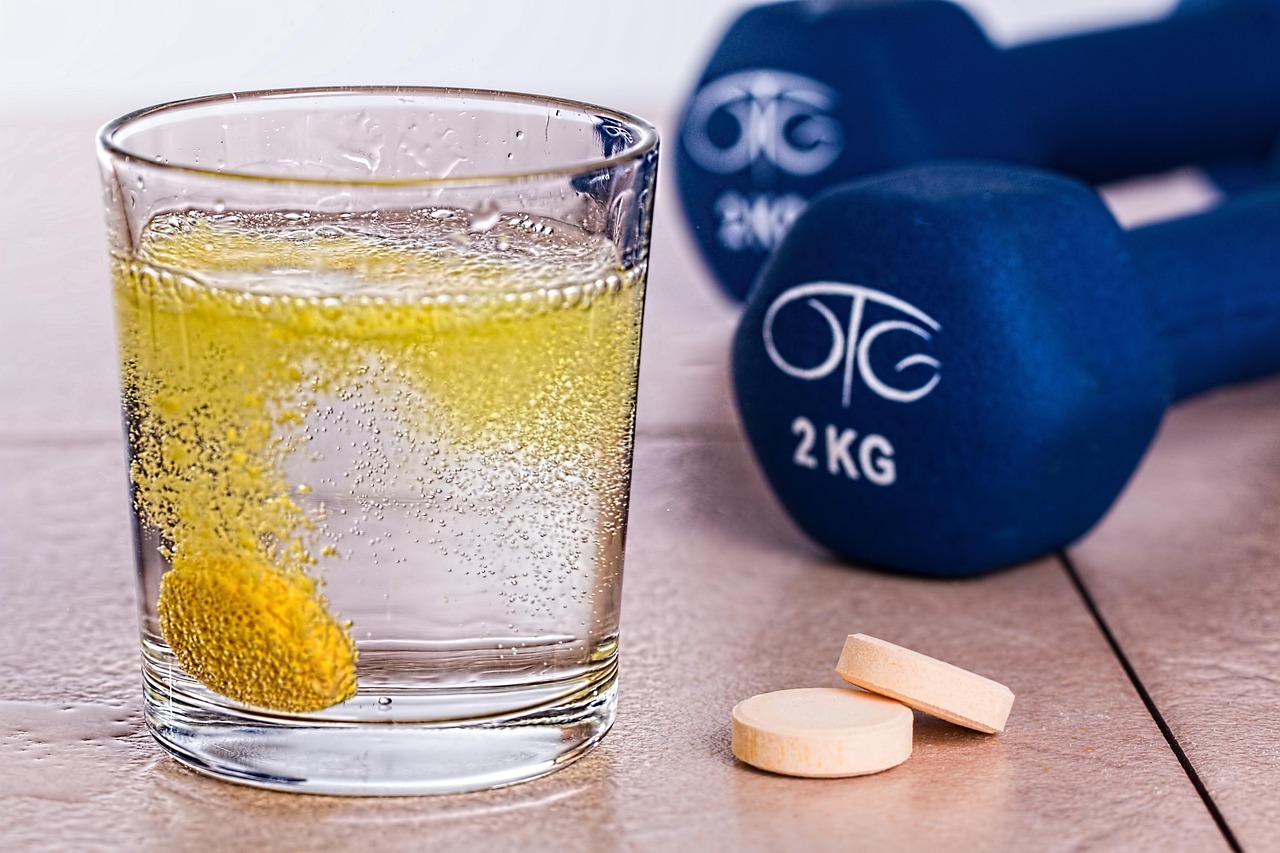
Staying hydrated is another essential aspect of any fitness routine. Many athletes overlook the importance of hydration, impacting performance, especially for vegetarians who may not consume adequate water-rich foods. While water is crucial, consider using electrolyte supplements if engaging in intense or prolonged activities. These supplements can replenish vital minerals lost through sweat, such as sodium, potassium, and magnesium. Low sodium levels can lead to muscle cramps while exercising, and taking an electrolyte supplement can help curb that risk. Many products are available that cater to vegetarians, often in the form of powders or tablets, making them easy to incorporate into daily routines. It’s essential to select a product with natural ingredients and one that avoids additives that may harm overall health. Furthermore, maintaining a proper hydration approach can optimize performance and prevent fatigue. Before undertaking new supplementation, always consult a healthcare provider to tailor recommendations specific to your workout and personal needs. Achieving the right balance of hydration and nutrition will pave the way for better recovery and consistent performance in your exercise routine.
Consultation and Expert Guidance
Ultimately, navigating the world of supplements requires attention to detail and an individualized approach. Every athlete has unique needs based on their fitness goals, dietary preferences, and lifestyle choices. If you are vegan or vegetarian, consider seeking out a healthcare professional or registered dietitian with experience in sports nutrition. They can provide tailored recommendations and ensure that the supplementation you choose is aligned with your specific health objectives. Often these professionals can perform blood tests to identify any specific deficiencies you may be experiencing, directing you toward the most meaningful supplements. Always be cautious about self-supplementing as excessive amounts can have dire health consequences. Educate yourself about how different nutrients interact, enhancing or diminishing absorption rates. Regular follow-up appointments can help monitor progress over time. Supporting your body with the right supplements can lead to improved nutrition, ensuring that physical efforts do not go unnoticed. Identifying gaps in your dietary intake is crucial for optimizing health, performance, and well-being, especially for vegetarian athletes.
In conclusion, ensuring you take the necessary supplements as a vegetarian who exercises regularly is vital for optimizing performance. Supplements can provide the essential nutrients that may be lacking due to dietary restrictions. Consider including protein powders, Omega-3 fats from algae, various vitamins from reputable sources, and possibly minerals like iron and calcium. Consulting with a registered dietitian can help you to create a supplementation plan tailored to your specific needs, preferences, and activity levels. By doing so, you can enhance your energy levels, support muscle recovery, and maintain a robust immune system. Additionally, always ensure you keep an eye on hydration, as proper intake directly impacts physical performance. With the right combination of diet and supplements, vegetarians can enjoy an active, healthy lifestyle without feeling disadvantaged in their fitness endeavors. Evaluate and adjust your supplementation plan regularly to ensure that it meets your evolving needs, particularly as your activity levels change or your dietary patterns shift. Finally, remember that a balanced approach to nutrition and supplementation will maximize your effectiveness in achieving your health and fitness goals.