
Tips for Maintaining Hydration During Intense Workouts to Prevent Injury
Proper hydration is essential during intense workouts to maintain peak performance and avoid injuries. When engaging in vigorous exercises, your body loses fluids through sweat. If these fluids aren’t replaced, you can experience dehydration, which may negatively affect your strength, endurance, and overall recovery. It’s crucial to start hydrating well before a workout, ideally 2 to 3 hours prior. Consuming water or electrolyte-rich drinks beforehand sets a solid foundation. Additionally, during your workout, take regular breaks to sip on water. This will help regulate your body temperature and keep your muscles functioning effectively. Athletes are advised to drink approximately 7 to 10 ounces of water every 10 to 20 minutes during intense activities. You may also consider adding beverages enriched with electrolytes for activities lasting over an hour. In recovery phases after workouts, rehydrating is equally critical. Aim for about 16 to 24 ounces of fluid for every pound lost during exercise. Tracking your weight pre and post-workout can inform your hydration needs. Implementing solid hydration practices can significantly enhance performance and contribute to injury prevention.
Understanding your body’s hydration needs involves recognizing signs of dehydration. Common symptoms include excessive thirst, dizziness, dry mouth, and decreased urine output. Being aware of these indicators allows you to act promptly. Moreover, the temperature and intensity of your workouts significantly affect hydration requirements. Hot or humid conditions increase perspiration rates, prompting a higher fluid intake. Athletes exercising in these conditions should pay extra attention to their hydration strategy. A useful method is the ‘pee test’, checking the color of your urine. Light-colored urine typically means proper hydration, while dark urine can indicate dehydration. This simple yet effective strategy can help guide your fluid intake. Incorporating foods containing high water content into your diet, such as fruits and vegetables, can also contribute to hydration. Watermelon, oranges, and cucumbers are excellent options here. They not only hydrate but also provide essential vitamins and minerals. Tailoring your hydration plan to your workout schedule helps in ensuring you remain well-hydrated throughout your routine. This dedication leads to improved overall well-being and robust physical performance, drastically lowering the risk of injuries.
Choosing the Right Beverages
While water is the best primary hydration source, choosing the right beverages is essential for optimal performance during workouts. Sports drinks can replenish lost electrolytes effectively but should be consumed judiciously. When opting for sports drinks, look for those that contain a balance of sodium, potassium, and carbohydrates. These components are vital in maintaining fluid balance, particularly during extended workouts where fluid loss is considerable. Aim for drinks that avoid excessive sugar content, as they can lead to energy crashes post-workout. In addition to sports drinks, coconut water serves as a natural alternative, providing electrolytes with fewer calories. For those who prefer flavored beverages, infused water with fruits like lemon, lime, or berries can help enhance the taste while maintaining hydration. Understanding your individual preferences is key, as enjoyable hydration methods encourage consistent intake. Also, consider your own taste preferences when choosing hydration strategies. Experimenting with different beverages during your training can help find what works best. Ultimately, maintaining adequate hydration through a strategic beverage selection is a simple yet significant step toward enhancing performance while preventing injuries effectively.
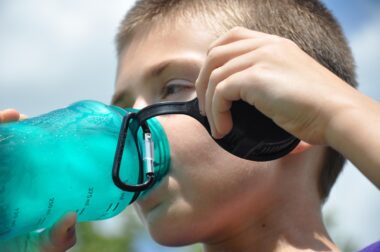
During workouts, timing and frequency of hydration cannot be overstated. Consistency is key in order to keep your body functioning at its best. An effective strategy involves setting a timer to remind yourself to drink fluids at regular intervals. This habit can help prevent the risk of forgetting to hydrate during intense training. Many athletes practice drinking small amounts regularly rather than consuming larger quantities at once. This approach allows the body to absorb and utilize fluids more efficiently. Additionally, consider incorporating hydration breaks into your workout routine. Utilizing these breaks gives your body the chance to recover, cool down, and replenish lost fluids adequately. Thus, not only do you maintain hydration, but you also enhance overall performance. Also, consider carrying a water bottle or hydration pack to have fluids readily available. Keeping your hydration strategy visible serves as a motivational reminder. Staying proactive about hydration during workouts can significantly reduce fatigue and risk of injury, leading you toward your fitness goals and objectives. Prioritizing hydration is just as essential as training intensity and consistency.
Post-Workout Hydration
Replenishing fluids right after workouts is vital for recovery, as the body continues to lose water even post-exercise. During the recovery phase, the focus shifts to restoring the body’s hydration levels. Consuming fluids after exercise contributes to muscle recovery, reduces soreness, and supports overall healing. It’s recommended to drink at least 16 to 24 ounces of fluid for every pound lost during exercise within the two hours following your workout session. You can use your pre and post-exercise weight as a guideline. Additionally, incorporating protein and carbohydrates along with hydration can improve recovery further. Protein shakes or smoothies mixed with water can be an effective combination. Combining hydration with nutrient-rich foods stimulates muscle repair while replenishing lost fluids. Foods like bananas, which are rich in potassium, also assist in electrolyte balance. Listening to your body’s cues is essential during recovery; if fatigue or lethargy continues, reevaluating your hydration might be necessary. Implementing proper hydration practices immediately after workouts is a crucial component of an effective recovery strategy, ensuring your body continuously operates at peak performance levels.
Incorporating hydration strategies isn’t just beneficial for athletes; it’s essential for anyone engaging in physical activity. Regardless of the intensity of the workout, ensuring proper hydration can enhance overall health and performance. Understanding sports science concepts surrounding hydration can empower individuals to tailor their hydration practices according to their needs. Remember, hydration needs differ widely based on age, fitness level, and environmental factors. Creating a personalized hydration plan helps in adapting to varied conditions effectively. It also promotes awareness of individual needs during physical activities. Pay attention to signs of dehydration not only during performance but also in daily routines. Hydrating adequately throughout the day complements workout efforts, leading to enhanced energy levels and reduced recovery times. Prevention is key, so making hydration a habitual practice can help stave off potential injury risks. Furthermore, educating peers about hydration importance can help foster a healthier community around you. Thus, everyone participates in maintaining an environment where hydration is emphasized. Overall, prioritizing hydration during and after activities significantly enhances performance, recovery, and injury prevention.
Final Considerations and Tips
Finally, developing a sustainable hydration strategy involves trial and error. Each individual will have unique hydration requirements and preferences. Thus, experimenting with different liquids and frequencies can yield personalized solutions for optimal hydration. Starting with understanding body responses will guide you on the right path. Consider keeping a hydration diary or using apps that track your fluid intake to understand patterns surrounding hydration habits. This recorded data can also point to hydration gaps to address in your routine. Don’t overlook hydration considerations during colder months, as fluid loss through sweat still occurs in different temperatures. Furthermore, encourage family and friends to adopt similar habits, as it promotes a supportive environment focused on healthy choices. Setting reminders and encouraging cues can serve individuals well in maintaining hydration strategies long term. A bit of planning beforehand goes a long way toward ensuring adequate hydration, ultimately leading to improved workout performance and satisfaction. Your journey toward injury prevention and enhanced fitness is within reach, requiring only those dedicated steps to maintain proper hydration consistently.