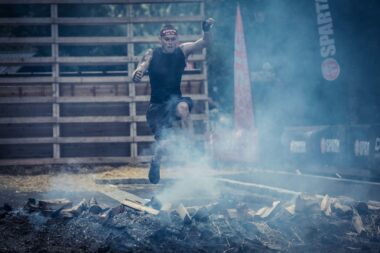

Benefits of Cross-Training Alongside Obstacle Course Sessions
When participating in obstacle course training, one of the most beneficial methods to enhance performance is cross-training. This technique refers to engaging in various physical activities that complement your main training regimen. By diversifying your workout routine, you can improve overall physical fitness and reduce the risk of injuries. Cross-training focuses on different muscle groups, preventing overuse injuries while maximizing overall strength. In addition, engaging in different types of physical activities can keep workouts fresh and interesting, reducing the likelihood of mental fatigue. Specifically, strength and flexibility training can significantly aid in navigating obstacles more effectively. Incorporating activities like yoga or Pilates, for instance, can boost core strength and flexibility, paving the way for a more efficient performance during obstacle races. Additionally, cardiovascular conditioning is also crucial. Activities such as swimming and cycling enhance endurance without adding excessive stress on the joints. Therefore, integrating varied forms of fitness into your regimen is instrumental in achieving well-rounded athleticism and improved performance on an obstacle course.
Furthermore, cross-training offers an excellent opportunity to build mental resilience. As obstacle courses can be psychologically demanding due to their challenges, engaging in other physical activities can help develop the mental toughness required to push through difficult sections. Activities like martial arts or team sports cultivate competitive spirit and determination, vital qualities for overcoming obstacles. Moreover, the skills obtained from cross-training can be easily translated into obstacle racing. For instance, someone who practices climbing may find it easier to manage wall climbs and similar hurdles. Additionally, unless practiced regularly, it can be easy to plateau in performance when solely focusing on one type of training. Cross-training acts as a catalyst for continual improvement, sparking new levels of confidence as participants witness their progress in different arenas. It cultivates a mindset of adaptability, fostering the ability to approach obstacles with a strategically agile outlook. Moreover, you can develop important coordination and balance skills through diverse workouts. These skills translate directly to obstacle courses by facilitating better movement through complex terrains.
The Role of Strength and Agility Training
A focused approach on strength and agility training is paramount for successful navigation through obstacle courses. Strength training, particularly, emphasizes building muscle power that is crucial for lifting one’s body weight over obstacles, swinging across bars, or executing dynamic movements. Additionally, agility training ensures that participants can swiftly change direction and react adeptly to the various challenges posed by a course. Engaging in activities like plyometrics boosts explosiveness, leading to improved sprint speeds and powering through various obstacles effectively. Utilizing kettlebells, resistance bands, and free weights during training sessions can further enhance muscular strength. Users can modulate intensity levels to align with their fitness goals, which creates a targeted approach. A strong foundation not only improves agility but increases overall athletic performance across diverse settings. Furthermore, interval training can enhance cardiovascular health, vital for maintaining endurance during rigorous competitions. Regardless of the participant’s current fitness level, a balanced approach incorporating strength and agility within a broader cross-training regimen holds significant value in helping individuals tackle any obstacle course more effectively.
Nutrition also plays a crucial role in maximizing the benefits of cross-training alongside obstacle course sessions. The body requires quality fuel to sustain high levels of performance, especially during diverse training. Consuming foods rich in lean protein enables quicker muscle recovery following intense strength and agility workouts. In addition, proper hydration must not be overlooked; water plays a vital role in nutrient absorption and optimal bodily function. Electrolyte-rich drinks can also be helpful during prolonged training sessions, maintaining energy levels and aiding in performance. Additionally, a balanced intake of carbohydrates provides the necessary energy substrate for endurance activities, ensuring peak performance during obstacle challenges. Mindfully planning meals around training sessions assists both in recovery and energy levels, leading to enhanced performance. Adequate nutrition is vital for both immediate energy and long-term durability. By promoting a diet that incorporates a mix of macronutrients and micronutrients, individuals will notice improved stamina, faster recovery rates, and enhanced overall capacities during obstacle training. A good nutritional strategy complements the body’s hard work and turbocharges progress.
Injury Prevention and Recovery Strategies
In injury prevention, integrating cross-training along with obstacle course sessions not only reduces the likelihood of injuries but enhances the body’s ability to recover. Focussing solely on one type of rigorous training can lead to burnout and overuse injuries, particularly for high-intensity obstacle courses. Contrasting different workouts diversifies strength and movement patterns, helping to protect vital joints and prevent repetitive strain injuries. It is equally important to dedicate time to recovery practices such as stretching and foam rolling post-workout. These activities aid in alleviating soreness and tension accumulated during intense training. Additionally, scheduling rest days is essential for your body’s recovery cycle, allowing muscle repair and growth. Engaging in low-intensity activities such as walking or swimming can further bolster recovery days without adding excessive strain. Furthermore, monitoring any discomfort during workouts is essential, as it helps to identify potential issues early on. Regularly seeking professional guidance from trainers or physiotherapy can then enhance your training approach, helping participants learn proper techniques that avoid injuries and maintain progress.
As you examine the holistic view of fitness, the synergy created through cross-training and obstacle course sessions accentuates its effectiveness. Establishing tailored routines that incorporate a balance of strength, endurance, mental resilience, and recovery ensures comprehensive development. Furthermore, participating in various activities can lead to community bonding, wherein participants share their experiences and learn from one another. This social aspect not only fosters camaraderie but also builds accountability, thus enhancing the overall training journey. Group activities within cross-training frameworks can be particularly motivating, inspiring individuals to accomplish shared challenges while learning from others’ strengths. Consequently, this also aids in developing confidence, reinforcing the notion that a community striving together achieves more. Moreover, this collective engagement often aids in setting personal goals that resonate within the group. Also, working with coaching staff or peers brings fresh perspectives to training plans and highlights areas for improvements. So, the integration of different training types not only amplifies physical abilities but enriches the mental and social dimensions of fitness training.
Conclusion: Embrace a Comprehensive Approach
In summary, embracing a comprehensive approach that integrates cross-training alongside obstacle course sessions yields significant benefits. This multifaceted training model enhances overall fitness, boosts performance, and prioritizes injury prevention. The measures described emphasize the importance of strength, agility, and endurance, combined with proper nutrition and recovery techniques for optimum results. Importantly, fostering mental toughness and community through shared exercises enriches the journey, making it enjoyable while improving physically. As individuals prepare for obstacle courses, incorporating various workouts promotes continual improvement and propels participants to new levels of achievement. Such an approach allows them to traverse any challenge with confidence and skill. Committing to this diversified regime ultimately results in a more resilient, balanced athlete who can engage in obstacle courses more effectively. The road may be challenging, but the rewards are well worth the effort. Accept the challenge of embracing cross-training in your fitness routine, and witness the transformation unfold. Dive into the exhilarating world of obstacle racing stronger, smarter, and more adaptive, ready to embrace whatever obstacles lie ahead.