
Men’s Fitness: Gym Workouts for Improving Posture
Posture is a critical aspect of overall fitness and health that often goes overlooked. In today’s world, many men spend long hours sitting at desks, leading to poor posture and a variety of related issues. To combat this, incorporating specific gym workouts focused on improving posture is essential. These workouts target the muscles that support the spine and shoulders. By strengthening these areas, you help reduce discomfort, enhance balance, and improve overall performance in physical activities. Additionally, better posture can elevate self-confidence and contribute positively to your mental state. It is also important to address muscle imbalances that may further affect posture. You can achieve dramatic improvements over time by following a structured exercise plan emphasizing strength, flexibility, and core stability. Focus on integrating compound movements into your routine, as they engage multiple muscle groups and foster overall stability. Remain consistent with your workouts, and over time, you will see marked improvements in your posture and physical appearance. Consider consulting a fitness professional to create a tailored workout plan that emphasizes these key areas of focus.
Key Exercises for Better Posture
When pursuing improved posture, certain exercises stand out as particularly beneficial. A well-rounded routine should include the following key exercises designed to enhance strength, flexibility, and awareness:
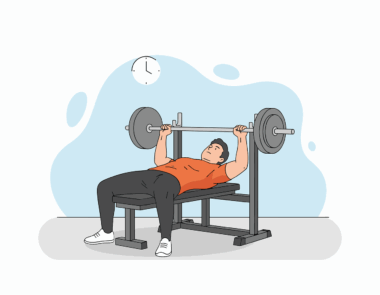
- Deadlifts: This compound movement strengthens the lower back, glutes, and hamstrings, promoting spinal alignment.
- Rows: Both barbell and dumbbell rows engage the upper back and shoulders, correcting forward shoulders.
- Plank Variations: Strengthening the core is vital; planks help stabilize and support your spine.
- Chest Openers: Stretching the chest counteracts tightness from sitting, promoting upper body flexibility.
Incorporating these exercises into your gym routine can lead to significant strides in postural improvement. Remember to focus on form and control while performing each movement. Quality over quantity is crucial, especially when building strength to prevent injuries. Consistent effort and returning to these fundamental movements will help achieve your posture goals over time, creating a lasting impact on your fitness journey.
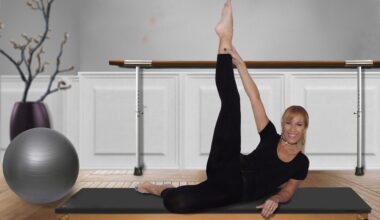
To maximize the benefits of your workouts, performing a proper warm-up and cool-down is crucial. Warming up adequately prepares your body by increasing blood flow to the muscles, priming them for activity. A dynamic warm-up consisting of movements like arm circles and torso twists enhances mobility and activates the muscles involved in your workout. After completing your exercises, cooling down helps to reduce muscle soreness and aids recovery. Incorporate stretching into your cool-down routine, particularly focusing on areas that require extra attention, such as the hips, shoulders, and thoracic spine. Gentle static stretches can promote flexibility, encouraging proper alignment and posture. While engaging in strength training, avoid neglecting flexibility work; striking a balance between both aspects can improve overall results. Postural challenges arise when tight muscles overpower weak ones, leading to misalignment. Utilizing foam rollers and mobility exercises, such as yoga or Pilates, can further enhance flexibility and strength. Add these to your fitness regimen to facilitate long-term changes and improvements in posture, ultimately leading to better physical performance and more comfortable daily living.
Maintaining Consistency is Key
Consistency plays a significant role in achieving improved posture through gym workouts. Incorporating the necessary exercises designed to foster better posture should become a regular aspect of your fitness routine. Aim for at least three to four sessions focused on these posture-enhancing workouts each week. This frequency ensures that your muscles are continually challenged and engaged throughout your fitness journey. When setting goals, make them specific and measurable, such as completing a certain number of sets or reps for each exercise. Tracking your progress allows you to stay motivated and committed while assessing your advancement over time. Falling into the routine trap often leads to stagnation; therefore, regularly varying your workouts is essential. This keeps your body adapting and reduces the risk of injury. In addition to exercise, paying attention to daily habits is vital in maintaining good posture throughout the day. Evaluate your sitting habits at work or while driving and make the necessary adjustments to your environment so that you can improve resistance to slumping or leaning. Stay dedicated to your fitness plan, and over time, you’ll witness remarkable progression towards optimal posture.
Nutrition also plays an essential role in overall fitness, including posture improvement. A balanced diet supports muscle recovery, bone health, and contributes to overall physical performance. Ensure that you obtain adequate amounts of proteins, healthy fats, vitamins, and minerals to fuel your workouts and facilitate recovery. Pay special attention to calcium and vitamin D intake, both vital for maintaining strong bones. Foods like leafy greens, dairy, nuts, and fish should be staples in your daily diet. Hydration cannot be overlooked, as it greatly affects strength and endurance. Aim to drink sufficient water throughout the day, especially before, during, and after your workouts. Staying hydrated helps prevent muscle cramps and maintains joint health while ensuring optimal performance. Monitor your body’s reactions to different foods and adjust your meals accordingly. Keeping a food journal can help track your nutrition patterns and ensure you remain on the path of healthy eating. By marrying proper nutrition with your gym workouts, you pave the way for long-lasting improvements in both your fitness and posture.
The Importance of Recovery
Equally important as workouts is the recovery period following intense training sessions. Rest is crucial for muscle repair, growth, and your body’s ability to adapt to new physical demands. Scheduling rest days into your workout regime will provide the necessary time for recovery, ultimately enhancing the effectiveness of your posture exercises. During this time, engage in light activities such as gentle yoga or walking, promoting blood flow without overexerting your muscles. Consider incorporating non-strenuous mobility work to encourage flexibility and relieve tightness in specific areas. Sleep is also another vital factor in recovery; aim for 7-9 hours per night. Quality sleep fosters muscle repair and regeneration, significantly contributing to overall physical health. Pay attention to your body’s signals; if you experience soreness or fatigue, allow for additional rest or modify your training intensity. Listen to your body to prevent injuries while keeping your journey toward improved posture on track. Striking a balance between workouts, rest, and sleep sets you up for success, further ensuring that you stay on course toward achieving the fitness and posture you desire.
Tracking your progress throughout your fitness journey is vital in achieving better posture and overall physical health. Documenting workouts reveals the effectiveness of your routine and highlights areas for adjustments. Set up a system for monitoring progress, whether through a fitness app, a journal, or wearable technology. Regular assessments will allow you to recognize improvements or areas needing focus. Additionally, consider scheduling periodic evaluations with a fitness professional to receive personalized feedback. They can help assess changes in strength, flexibility, and posture alignment. Celebrating small victories along the way keeps motivation high and reinforces your commitment to improving your fitness. Alongside physical tracking, maintaining a positive mindset is crucial. Embrace setbacks as part of the journey, prioritizing perseverance and adaptability. Create connections with other fitness enthusiasts for added motivation and support. Community interaction can help bolster accountability and provide valuable insights from others who face similar challenges. Keeping a positive outlook allows you to create an environment conducive to learning and growth. Ultimately, fostering patience and commitment throughout your fitness and posture improvement journey will lead to success over time.