
Integrating Interval Walking into Senior Fitness Routines
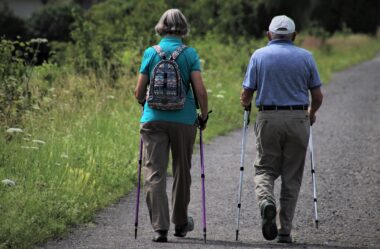
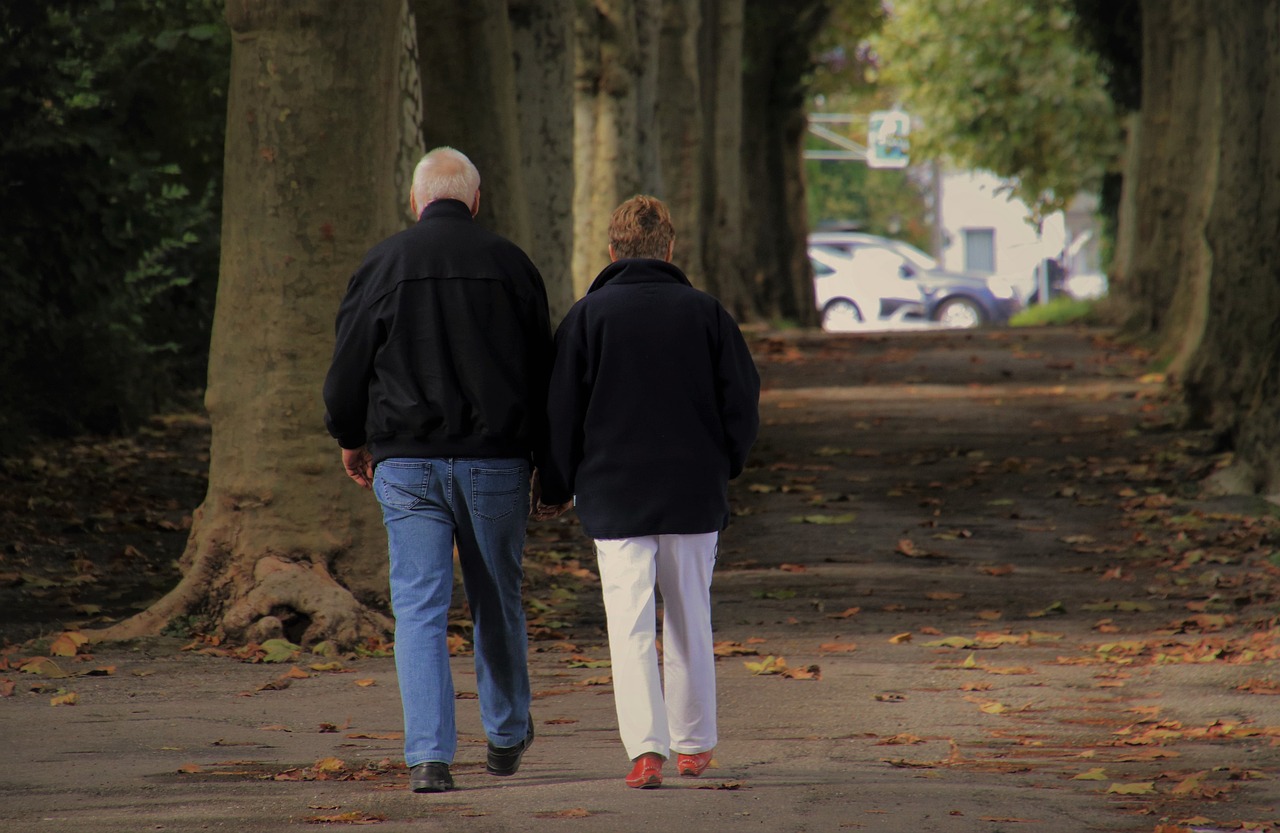
As seniors engage in physical fitness, walking serves as a cornerstone exercise. Interval walking, which alternates between different paces, presents an effective way to enhance fitness. This approach allows seniors to experience improvements in cardiovascular endurance and strength. By altering walking speeds, seniors can manage their effort levels according to personal fitness goals. Additionally, this engaging technique keeps exercise more interesting, reducing monotony during workout sessions. To effectively integrate interval walking, seniors can start by identifying their comfort zones and gradually introducing varied walking speeds. This can involve alternating between walking at a regular pace and a faster pace. Proper warm-up and cool-down routines are also essential to prevent injuries. Keeping a consistent schedule is crucial for maintaining motivation and progress. Safety should always be prioritized, especially for those with health concerns. Always consult with a healthcare provider before initiating any new program. Interval walking not only promotes physical fitness but also encourages social interaction. By walking with friends or participating in group sessions, seniors can enjoy the social benefits of fitness while improving their health.
Another key aspect of interval walking in senior fitness is personalization. It is essential for seniors to listen to their bodies and adapt the intervals according to their fitness levels. For many, engaging in shorter intervals followed by longer rest periods works effectively. For instance, walking for one minute at a brisk pace followed by two minutes at a comfortable pace can provide a balanced approach. Using a timed device, such as a watch or fitness tracker, can help facilitate this process. Moreover, selecting an appropriate walking location is vital; seniors should choose safe, flat surfaces that are free from obstacles. Parks or tracks with mild inclines can offer additional variations without overwhelming physical exertion. Incorporating music can also enhance the enjoyment of interval walking. Listeners can select upbeat tunes that motivate them during faster intervals. At the same time, calm music might be beneficial during recovery phases. Seniors also benefit from connecting with peers during these walks, whether by joining walking groups or inviting friends. Such interactions foster a supportive community dedicated to improving health and enjoying shared experiences.
Health Considerations
Prior to beginning interval walking routines, seniors should consider health factors that could influence their ability to participate. It is crucial to address any pre-existing health conditions. For instance, individuals with joint problems or heart conditions should consult a healthcare professional before starting. A tailored interval program can be developed based on their issues, ensuring both safety and effectiveness. It’s essential to monitor how the body responds to varied intensities, paying attention to any unusual symptoms like shortness of breath or dizziness. A well-structured walking program should also include hydration and nutrition management. Staying hydrated aids performance, particularly during warm weather walks. Incorporating light snacks post-exercise, such as bananas or energy bars, can help restore energy levels effectively. This approach not only supports physical health but also enhances overall well-being. Furthermore, engaging in flexibility and strength training exercises can complement interval walking. A balanced fitness routine addresses various aspects of health, promoting general mobility and decreasing injury risks. The core objective remains to maintain physical activity and independence throughout the golden years.
Setting realistic goals is also pertinent when integrating interval walking into fitness routines for seniors. Establishing small, achievable milestones can motivate individuals to maintain their walking programs. To track progress, seniors can document their walking sessions in a journal or through fitness apps. This not only provides accountability but also illustrates improvements over time. Recognizing and celebrating achievements, no matter how small, can boost overall morale and encourage persistence. Seniors are encouraged to adjust their goals based on their improvement rates and personal aspirations. Progression can include increasing walking duration or the intensity of the intervals. Eventually, seniors might aim for long-distance walking events specifically designed for their demographic. This endeavor could be advantageous, promoting both individual motivation and community spirit. Creating a walking buddy system can also foster commitment among participants. Such systems help create networks of support that enrich the walking experience. As individuals share their journeys and challenges, they grow stronger together, building camaraderie and friendships. Ultimately, the sustained commitment to walking enhances health while nurturing social connections, which can significantly improve life quality.
Incorporating Technology
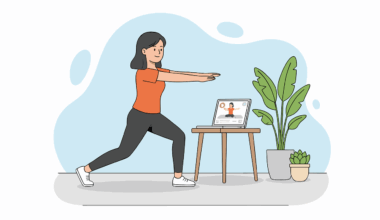
In today’s digital age, incorporating technology into senior fitness routines can facilitate a more engaging experience. Wearable devices such as pedometers or fitness trackers can monitor walking sessions and provide feedback on distance, steps, and calories burned. These devices empower seniors by allowing them to visualize their progress and set specific goals. Many applications now provide customized walking programs, allowing seniors to connect with others and share their achievements. Virtual fitness communities can motivate individuals by fostering camaraderie and friendly competition among participants. Moreover, online video tutorials also offer guidance on implementing interval walking techniques. Accessing structured workouts via the internet allows seniors to plan routines conveniently from home. This way, adjustments to workout plans can easily occur according to individual preferences. Furthermore, online resources help in discovering fun walking routes in various neighborhoods and parks, keeping them engaged. Educational content focusing on the benefits of walking can instill a greater appreciation for the practice. Ultimately, technology serves as a powerful ally in enhancing senior engagement in physical fitness while making the experience enjoyable and effective.
Email reminders and notifications can also play crucial roles in maintaining structured walking habits among seniors. For instance, setting consistent walking times can help build routines into daily activities. Friendly alerts serve as gentle nudges that encourage individuals to stay committed to their walking schedules. These reminders can be set for initial times and then adjusted as comfort and confidence levels increase. Keeping track of walking data through mobile applications can be an effective way to visualize accomplishments. Sharing these accomplishments with family members or friends can foster a support system. Family participation in these walking routines can promote shared goals and produced enjoyable outings. Evolving towards outdoor adventures, exploring new walking trails could add excitement to the routine. Joining local walking groups or clubs can enhance the social component further while providing additional motivation through shared experiences. With the right mindset, seniors can confidently embrace interval walking as a significant aspect of their overall fitness routine. Ultimately, the key lies in consistency, enjoyment, and community support in maintaining their fitness journey for the long term.
Conclusion
Integrating interval walking into senior fitness routines presents numerous advantages. It boosts physical health, enhances social connections, and promotes emotional well-being among older adults. As every senior’s fitness level varies, understanding how to personalize walking routines is critical. Emphasizing safety, gradual progression, and effective monitoring can empower seniors to achieve sustainable outcomes. The supportive involvement of technology, community connections, and friendly encouragement enhances their fitness journey. Interval walking can transform routine exercise into an enjoyable and dynamic experience tailored for seniors. Thus, incorporating interval training promotes lifelong fitness and well-being, which positively impacts their quality of life. Encouraging seniors to commence their interval walking journey can pave the way for greater independence and vitality. By focusing on balance and moderation, seniors can embrace the opportunities that walking presents. Integrating this practice into daily life will serve as a cornerstone of maintaining overall health. Through socially engaging environments, constant improvement in fitness, and the incorporation of modern tools, seniors will thrive in their fitness endeavors, enhancing longevity and joy.
The integration of interval walking in senior fitness embodies a holistic approach, promoting physical, mental, and social well-being. By selecting a personal pace, seniors discover a supportive and adaptable path towards improved health. As individuals find joy in their walking routines, they are empowered to continue pursuing their fitness goals through accountability and connection to their communities. Ultimately, combining interval walking with other fitness activities allows for well-rounded fitness experiences that address seniors’ unique needs. Regular assessments and shared accomplishments transform personal journeys into collective successes, fostering resilience and camaraderie among participants. As the journey unfolds, seniors will continually discover new motivations, challenges, and potential, evolving their approach to interval walking as part of a fulfilling lifestyle. The lessons learned through perseverance, support, and growth lay the groundwork for a vibrant, active, and healthy life.