
Pilates and Stress Reduction for the Elderly
Pilates is a gentle form of exercise that can play a significant role in stress reduction for the elderly. This low-impact workout focuses on building strength, flexibility, and body awareness. Many older adults face daily stressors that can affect their emotional and physical wellbeing. Engaging in Pilates can help mitigate these stress levels and foster relaxation. The controlled movements emphasize breathing techniques which not only enhance physical health but also promote a sense of mental clarity. Research indicates that consistent Pilates practice leads to improved mood and decreased anxiety in older adults. Additionally, the supportive atmosphere of Pilates classes can enhance social connections among participants, reducing feelings of isolation. With many routines easily adaptable to individual abilities, Pilates can be accessible for everyone, including those with limited mobility. It’s essential for instructors to tailor their classes to accommodate various needs. Ultimately, incorporating Pilates into a wellness routine can serve as an effective strategy for managing stress. The cumulative effects of improved posture, strength, and relaxation can collectively contribute to better mental health outcomes for seniors, leading to a more vibrant lifestyle.
The breathing techniques taught in Pilates can significantly aid stress reduction among seniors. By focusing on deep, intentional breaths, the body can activate the parasympathetic nervous system, promoting a state of calmness. This practice encourages individuals to become more aware of their breath, which can be grounding amidst a busy or chaotic life. Studies have shown that deep-breathing exercises can lower cortisol levels, a hormone associated with stress. Elderly individuals often harbor tension and anxiety due to various life changes, such as retirement or the loss of loved ones. Introducing Pilates into their routine helps create a sanctuary where they can focus on themselves. Classes typically offer a friendly environment conducive to relaxation, allowing them to feel safe and supported. Moreover, the mental focus required in Pilates can divert attention away from stressors and negative thoughts. Engaging in mindfulness through movement serves to decrease symptoms of depression as well. As they become more adept at the exercises, the increases in strength and stability further bolster their confidence, combating feelings of helplessness that can accompany aging. In essence, Pilates not only works on the body but also nurtures the mind.
The Benefits of Pilates for Mental Health
Engaging in Pilates offers numerous benefits that extend beyond physical health, significantly impacting mental well-being. This form of exercise helps to enhance body awareness and control, leading to a feeling of empowerment among seniors. Empowerment is crucial as aging can often leave individuals feeling vulnerable or less in control of their lives. Improved physical fitness can translate to better self-esteem, reducing feelings of stress that may arise from physical limitations or discomfort. Furthermore, the social aspect of participating in group classes allows seniors to build community connections. These interactions can greatly reduce feelings of loneliness and isolation, which are common in older adults. Group classes are enjoyable and can foster friendships that provide emotional support. Additionally, learning breathing patterns and meditation techniques enhances focus and concentration, which diminishes the weight of stressors. Over time, this consistent practice can help instill a sense of calm and resilience that enhances overall quality of life. Instructors should emphasize inclusivity and personal attention, thus enriching the experience. With its holistic approach, Pilates serves as a multi-faceted tool for improving both mental and physical health in the elderly.
The adaptation of Pilates exercises is essential for ensuring that elderly participants can safely engage in practice. The beauty of Pilates lies in its versatility, allowing modifications to various movements to suit individual capabilities. For those with physical restrictions, simpler postures can reduce the risk of injury while still providing benefits. Specialized props, like resistance bands or small balls, can offer support and enhance comfort during classes. Such adaptations make it possible for older adults to experience the fulfilling aspects of exercise without overstressing their bodies. The ability to personalize workouts according to individual fitness levels underscores the inclusive nature of Pilates. When seniors feel physically capable, their self-efficacy improves, which can be an important factor in stress reduction. Additionally, instructors can foster a supportive atmosphere that encourages open communication. Participants should feel comfortable expressing their needs and limitations without fear of judgment. This supportive environment minimizes stress levels further as it provides a secure space for practice. Overall, Pilates is a flexible exercise option allowing older adults to engage in physical activity, thereby positively influencing their mental health and stress levels.
Creating a Relaxing Environment for Practice
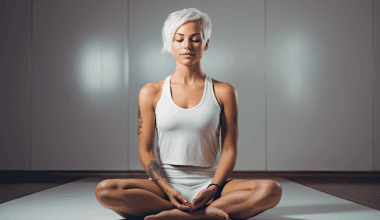
Establishing a calming atmosphere is vital to the effectiveness of Pilates sessions for seniors. The ambiance directly affects their ability to concentrate and engage in mindfulness, which are essential for stress reduction. A tranquil environment, with soft lighting and serene music, can help participants feel relaxed and welcome. The space should be free of distractions, enabling seniors to focus entirely on their movements and breathing. By emphasizing the importance of relaxation, instructors can guide seniors in developing an internal focus, allowing them to tune out external stressors. To enhance relaxation further, offering soothing elements such as essential oils or gentle aromatherapy can create a sensory experience that promotes calmness. Yoga mats should be comfortable and provide sufficient cushioning to support joints during practice. Consistent reminders to breathe and relax during exercises help reinforce the tranquil environment. Regular Pilates classes that prioritize these aspects can foster peace, allowing older adults to feel rejuvenated and ready to face daily challenges. Creating such spaces not only contributes to stress reduction but also enhances the overall enjoyment of exercise, making it a cherished part of their routine.
Long-term participation in Pilates can yield cumulative benefits for elderly individuals, emphasizing its importance in stress management. The practice encourages a structured routine, which can also provide stability and predictability in their lives. For many older adults, having a regular schedule helps in reducing anxiety related to uncertainty and change. Through the repetition of movements and breathing techniques, the body becomes familiar with the exercises that promote relaxation over time. This familiarity instills a sense of comfort and normalcy in their daily lives, which can be incredibly reassuring. Furthermore, as physical improvements become evident, participants may experience enhanced mental clarity and reduced levels of stress and anxiety. The gradual transformation leads to increased motivation, pushing seniors to continue participating in their Pilates routines. These incremental changes not only boost confidence but also foster a greater appreciation for personal health and wellness. Enhanced strength, flexibility, and balance achieved through Pilates further cultivates independence among seniors, reducing the need for assistance in daily activities. Ultimately, the enduring effects of Pilates positively impact not only mental health but overall quality of life.
Conclusion: The Importance of Pilates in Aging
Pilates stands out as an effective tool for promoting stress reduction in elderly individuals, significantly enhancing their emotional and physical wellbeing. The combination of gentle movement, deep-breathing exercises, and mindfulness creates an ideal environment for managing stress. As seniors incorporate Pilates into their lives, they unlock a variety of benefits: improved physical health, better mental clarity, and enhanced social connections. Engaging in Pilates also helps cultivate a supportive network among participants, fostering friendships that alleviate feelings of loneliness. Instructors play an essential role in adapting classes to suit the unique needs of each individual, ensuring a safe and secure practice. The long-term impacts of consistent Pilates practice can help seniors navigate the challenges of aging with confidence and dignity. Emphasizing an inclusive approach can lead to a stronger reliance on support systems and a decrease in anxiety levels. Overall, Pilates contributes to a more vibrant and fulfilling life for elderly individuals. The commitment to this holistic practice can be a transformative journey that encompasses not only physical fitness but emotional health as well, thereby enriching the aging experience.
This is another paragraph with exactly 190 words…