Core Strengthening Program: Home Workouts to Tone Your Abs
Engaging in a core strengthening program from the comfort of your home has never been easier. Toning your abs is not only about achieving aesthetic goals; it’s also vital for your overall health. A strong core supports your spine, improves posture, and enhances athletic performance. By focusing on specific muscle groups, particularly the rectus abdominis, obliques, and transversus abdominis, you can develop functional strength. This program consists of targeted workouts that can be performed anywhere in your home, using minimal equipment. Consistency is key, so dedicating just a few minutes daily will lead to visible results. Be sure to warm up properly with stretches to avoid injury, and listen to your body. If a movement feels overly strenuous, modify it to match your fitness level. Also, consider incorporating a balanced diet to maximize the benefits of your workouts. Always remember, hydration is crucial. The following tips and routines tailored specifically for core strength will help you tackle this challenge with confidence and enthusiasm. Prepare to embark on an incredible journey towards achieving those coveted toned abs and strengthening your core effectively.
As you begin your core strengthening journey, it is essential to set realistic goals. Start small and gauge your body’s response to the exercises. Consistency is essential, and each workout should include a combination of flexibility, strength, and stability training. Focus on exercises that engage multiple muscle groups and involve the entire core. Popular exercises include planks, crunches, and leg raises. You can follow structured routines which might vary in intensity. Utilize resources like an online community or fitness apps to guide your progress and keep you motivated. Consider documenting your workouts to track improvements over time, and celebrate small victories. Forming a workout schedule can make it easier to stay committed and establish a routine. Don’t be afraid to experiment with different workout styles and find what excites you the most. The more enjoyable the routine, the more likely it is that you’ll stick with it. Remember to incorporate rest days into your workout week; these are essential for muscle recovery and growth. With persistence and dedication, you will observe significant changes in your strength and overall fitness.
Essential Core Workouts for Beginners
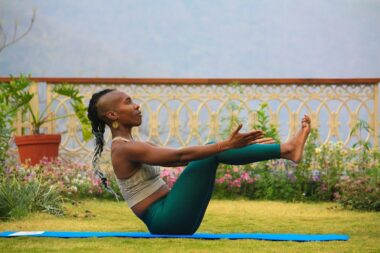
Incorporating essential core workouts for beginners can lay a solid foundation for your fitness journey. It’s crucial to start with modified versions of basic exercises to ensure proper form and prevent injury. Core exercises engage not only your abs but also your back, hips, and pelvic area, forming a connected system. Start with exercises such as the plank—hold for 20-30 seconds, gradually increasing the duration. Follow with 10-15 repetitions of modified crunches, targeting the upper abs effectively. Side planks and Russian twists help engage your obliques. Always keep breathing steady throughout each movement, as it helps maintain focus and stability. The bridge exercise effectively targets the lower back while simultaneously strengthening the glutes. As you become comfortable with these movements, gradually increase the difficulty by incorporating resistance or changing angles. Consider adding a stability ball to enhance your workouts; it challenges balance and engages deeper core muscles. Maintain a positive approach, and don’t hesitate to ask for advice if unsure about techniques. Your journey to core strength can be fulfilling, and structured workouts can make all the difference.
As part of your core strengthening program, incorporating advanced variations can challenge your body further. Once you’re comfortable with basic exercises, progressively integrate variations that increase difficulty. For instance, try performing plank jacks—start in a plank position and jump your feet outward then back together. Consider advancing to one-arm planks for added instability. This not only works your core but also increases your shoulder stability. Bicycle crunches are another excellent alternative; they engage multiple muscles simultaneously while enhancing coordination. Explore dynamic movements such as mountain climbers to boost the heart rate and intensity. Incorporate high-intensity interval training (HIIT) for a comprehensive routine that builds endurance and strength. These methods challenge your fitness level while continuing to tone your abs. Don’t forget about rest days; they are essential to aid recovery and prevent burnout. Program a structured week plan with increments to avoid plateauing. This not only allows your core muscles to rebuild stronger but also keeps the journey interesting. With adaptive strategies, you will keep yourself engaged and motivated throughout your fitness journey.
Integrating Flexibility and Balance Training
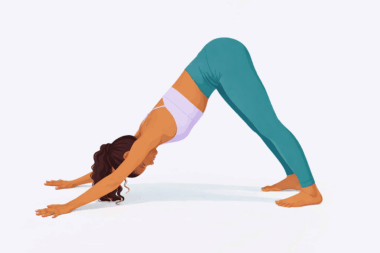
In addition to strength, integrating flexibility and balance training is vital for comprehensive core development. Practicing yoga or pilates incorporates both elements into your core routine, enhancing overall body awareness. Such practices develop body stability, improve posture, and promote relaxation. Begin with basic stretches targeting the abdominals, lower back, and hip flexors; these areas can become tight with numerous repetitions. Develop a habit of ending your workouts with stretches to elicit flexibility improvements alongside strength gains. Consider modifying traditional moves like the downward dog to incorporate deeper core engagement, effectively challenging your balance. As you progress, explore specific poses that require stability, such as the tree pose or warrior III. This dual approach not only supplements your strength training but also aids in injury prevention by improving joint mobility and flexibility. Aim to integrate a dedicated flexibility session once or twice a week seriously; it can dramatically affect the effectiveness of your core workouts. Balance training not only enhances strength but also supports daily movements, making tasks easier and more graceful. Consistent practice can yield vast benefits, transforming how you approach your workouts.
The significance of nutrition cannot be overstated when engaging in a core strengthening program. Nutrition is a key contributor to both muscle recovery and enhancement. Eating a well-balanced diet rich in proteins, healthy fats, and complex carbohydrates fuels your workouts. Prioritize nutrient-dense foods, including lean meats, fish, beans, whole grains, fruits, and vegetables. Protein plays a central role in muscle repair; aim for 20-30 grams post-workout to kick-start recovery. Keep proper hydration levels, especially during intense workouts. Decrease consumption of processed foods and sugar-laden snacks, as they can hinder your progress. Planning and prepping meals in advance can help maintain focus on nutrition. Consider engaging with a registered dietitian if unsure about dietary needs; personalized advice will enhance your fitness journey. It takes commitment and consistency to harmonize nutrition with your workout goals. Educate yourself on the importance of macronutrients and the role they play in muscle growth. An educated approach to nutrition combined with your core program will provide the best results, making you feel lighter and more energetic, thereby facilitating your workouts.
Preparing for Long-term Success
Preparing for long-term success in your core strengthening program involves setting benchmarks and remaining adaptable. Structure your workouts according to your evolving goals, and don’t hesitate to adjust those goals. Regularly reassess your core strength progress and modify your routine based on challenges you may face. Maintain an open dialogue about your fitness journey with fellow enthusiasts; engaging communities can provide additional motivation and inspiration. Consider testing to measure progress before and after a dedicated period; tangible results are rewarding, helping keep you on track. Also, prioritize your mental health alongside physical training, as motivation extends beyond physicality. Finding enjoyment within each workout equally fosters long-term commitment. Knowledge acquisition about various training techniques enriches your workouts, empowering you to embrace new challenges continually. Discomfort and fatigue are indicators of growth, so embrace the journey. Help yourself by remaining patient—the most effective progress is gradual, ensuring your body adapts sustainably. Celebrate milestones frequently, encouraging you to continue pursuing your fitness ambitions. The core strengthening program is a profound opportunity and positively impacts your wellbeing, ultimately leading to lifelong fitness habits.