
The Science Behind Mind-Body Awareness in Fitness
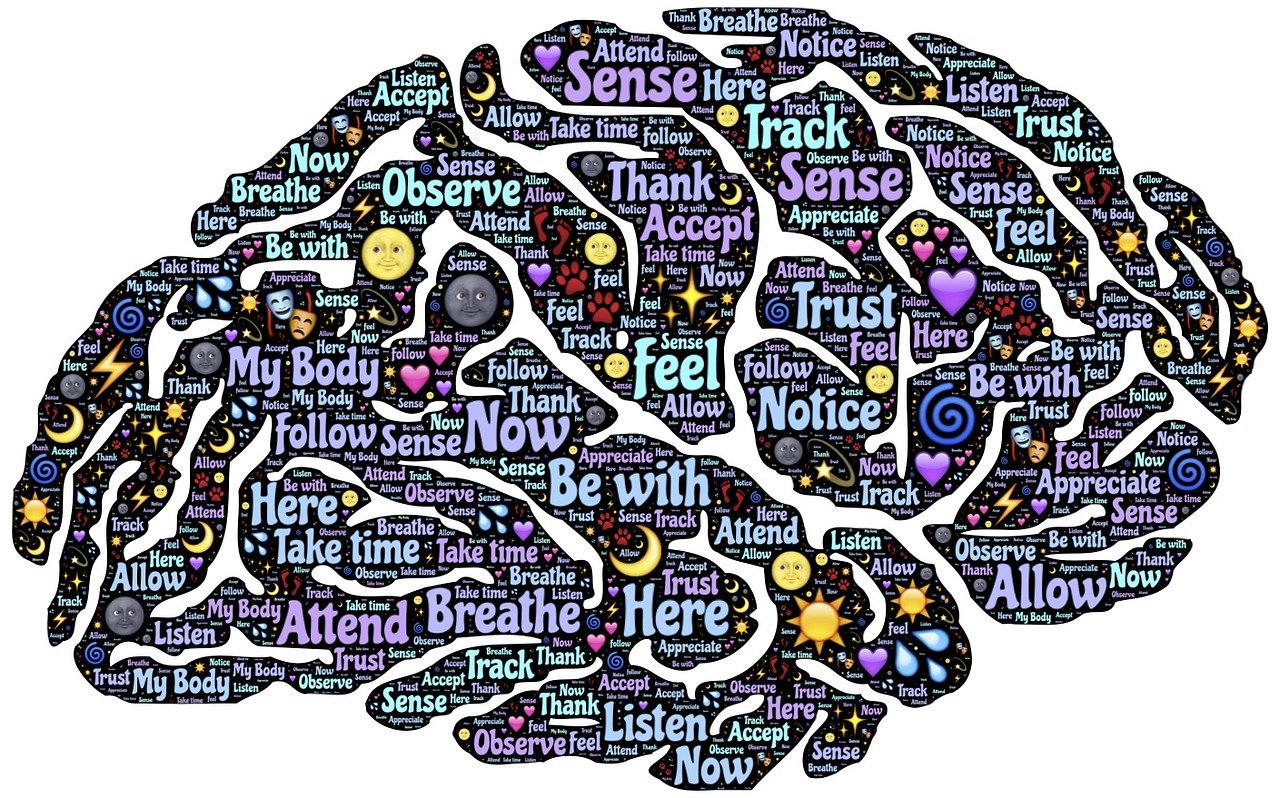
The concept of mind-body awareness in fitness has gained significant traction in recent years. This approach emphasizes the connection between mental states and physical performance. Practitioners often report improved focus, form, and overall workout efficacy when they tune into their bodies. Essentially, mind-body awareness can be understood as a conscious effort to engage both mental and physical faculties during exercise. This connection can significantly enhance the quality of workouts by promoting mindfulness. Techniques often used include controlled breathing, visualization, and attentiveness to bodily sensations. The goal is to develop a deeper understanding of your body’s needs and responses. For instance, when performing an exercise, being aware of your movement can help in correcting form and preventing injuries. Research suggests that individuals who practice mindfulness tend to have better performance outcomes and overall fitness results. Furthermore, this increased awareness may lead to a more rewarding and enjoyable fitness journey. Readers are encouraged to explore this multifaceted approach to enrich their fitness experiences. The emphasis is not solely on physical strength but also on mental resilience.
As part of the functional fitness approach, understanding the mind-body connection can lead to more holistic training. This philosophy provides insights on how emotions influence workout execution and recovery. Traditional exercise regimes often prioritize physical metrics—strength and endurance, for example. However, integrating emotional intelligence into fitness routines can create a more balanced perspective. Such an approach acknowledges the psychological barriers that may hinder physical performance. For instance, stress or anxiety can limit one’s ability to perform optimally. By being mindful of these mental states, individuals can better prepare themselves for workouts. Techniques such as meditation or yoga can enhance awareness and reduce mental blocks. Furthermore, they can inspire a sense of calm and focus leading up to physical exertion. Creating a fitness routine that incorporates these elements may not only boost performance but also improve mental health. Improved emotional health can translate into consistency in workouts, enhancing fitness levels over time. Overall, recognizing the link between mind and body can cultivate a more rewarding fitness experience. This balanced perspective promotes long-term success and well-being.
The Benefits of Mind-Body Practices
The benefits of mind-body practices in fitness extend beyond enhanced physical performance. Engaging in activities like yoga and Pilates promotes flexibility, balance, and strength. These practices encourage a heightened sense of self-awareness, ultimately leading to improved body control. Participants frequently notice an increase in stamina and a decrease in chronic pain or discomfort. The mental health benefits are equally compelling; individuals practicing mind-body techniques often report reduced stress levels. Many find that these activities provide a necessary respite from daily pressures. The ability to focus on the present moment helps in alleviating anxiety and tension. Additionally, the community aspect of these practices can foster social connections, enhancing motivation and enjoyment. When individuals engage in classes alongside like-minded peers, it generates a sense of belonging. This shared commitment can promote adherence to fitness routines. Moreover, mind-body integration may lead to higher levels of satisfaction in physical activities. Individuals often express increased gratitude and appreciation for their bodies’ capabilities. This holistic approach fosters resilience, ultimately encouraging individuals to push beyond perceived limits and achieve their fitness goals.
Nutrition plays an equally vital role in optimizing mind-body awareness. A well-balanced diet can significantly affect energy levels, mental clarity, and emotional stability. Consuming whole, nutrient-dense foods nourishes the body and helps individuals feel physically stronger and more vibrant. Hydration also impacts performance and cognitive function; therefore, staying hydrated should be a priority. Mindful eating practices align perfectly with the concepts of mindfulness in fitness. By paying attention while eating, individuals can develop a greater appreciation for their food choices. This focus can lead to healthier eating habits, which in turn enhance overall well-being. Moreover, maintaining steady blood sugar levels is crucial for sustained energy during workouts. Including proteins and healthy fats can provide long-lasting fuel for body and mind, allowing optimal performance. Overall, prioritizing nutrition and hydration complements physical training, promoting a synergistic relationship between mind and body. Nutrition is not just fuel but also a vital component of overall fitness success. Conscious food choices contribute to a more empowered and enriching fitness journey, proving essential for individuals aiming to achieve their goals.
Strategies for Enhancing Mind-Body Connection
Enhancing the mind-body connection can be achieved through various strategies tailored to individual preferences. One effective method is through, engaging in practices that promote mindfulness, such as meditation or deep breathing exercises. These practices help center the mind and improve focus during workouts. Setting both short and long-term fitness goals can create a roadmap for success. Keeping a journal can also foster awareness by allowing individuals to track their physical and emotional progress. Another beneficial strategy includes incorporating diverse physical activities; exploring different disciplines can elevate the mind-body connection further. For example, trying tai chi, martial arts, or dance can inspire new movements and mental engagement. Listening to music during workouts also activates emotional responses, enhancing the connection between the mind and body. Furthermore, connecting with nature during outdoor workouts can amplify this experience by providing a sensory-rich environment. Engaging in community fitness activities promotes social bonds and cultivates a supportive atmosphere. By embracing these strategies, individuals can deepen their connection and ultimately achieve greater fitness progress and enjoyment.
As athletes and fitness enthusiasts consider these strategies, it’s important to remember that personal preferences will vary. What resonates with one person may not have the same effect on another. Therefore, it is crucial to experiment with different techniques to discover what truly enhances the mind-body connection for each individual. Sustaining a mindset rooted in curiosity and exploration can enrich the fitness journey. Moreover, seeking guidance from trained professionals can provide valuable insights and personalized strategies. Many fitness trainers focus on mind-body principles, offering tailored approaches to help clients achieve their goals. Engaging with a community—whether through group classes or online forums—can foster motivation, support, and further learning. Continued education on the mind-body connection through workshops or literature can also enhance knowledge and practices. Exploring diverse perspectives and experiences broadens one’s understanding of fitness. Additionally, participating in retreats or immersive experiences focused on mind-body practices can deepen the connection. Whether through local studios or wellness events, these experiences can be transformative, rekindling passion for fitness as a holistic endeavor.
Conclusion: Mind-Body Integration in Fitness
In conclusion, mind-body integration plays a pivotal role in enhancing fitness experiences. By embracing awareness of both mental and physical processes, individuals can improve their overall performance and fulfillment. Elevating this connection fosters not only physical strength but also mental resilience and emotional well-being. The journey is both personal and dynamic, offering myriad possibilities for exploration, growth, and achievement. As more individuals discover the importance of mind-body awareness, the landscape of fitness continues to evolve. Incorporating mindfulness into training regimens paves the way for a broader and more meaningful approach to health. Ultimately, achieving balance among body, mind, and spirit facilitates an enriched fitness journey that is not merely about physical prowess. Instead, it embraces holistic well-being, encouraging sustainable habits and lifelong enjoyment. Mind-body connection empowers individuals to embrace challenges and celebrate successes. The practical application of these principles encourages everyone to pursue a deeper understanding of their potential. Those striving for an enhanced fitness experience will find great benefit in nurturing the mind-body connection as a core element of their journey.
The exploration of mind-body awareness in fitness is ultimately about unlocking one’s fullest potential. By gaining insights into personal needs and limitations, individuals can approach exercise with intention and purpose. Maintaining a curious and open mindset extends opportunities for improvement and growth. The journey of integrating mind-body practices is an ongoing one. Regular engagement in this approach can uncover various layers of connection and insight. Over time, practitioners often find themselves more intuitively connected to their bodies. This intuitive understanding can lead to spontaneous and spontaneous and guided improvements. As individuals venture down this path, they often develop a lasting commitment to their well-being. The key is embracing the changes and adaptations that arise from this practice. Individuals who cultivate a strong psychological connection can overcome barriers and achieve greater fitness achievements. Articulating the intersection of emotional and physical processes makes the fitness experience richer and more comprehensive. This narrative illustrates the importance of collaboration between mind and body. Committing to this integrative approach transforms fitness into a fulfilling pursuit that resonates deeply on multiple levels.