
Hydration and Nutrition Regulations for Young Athletes
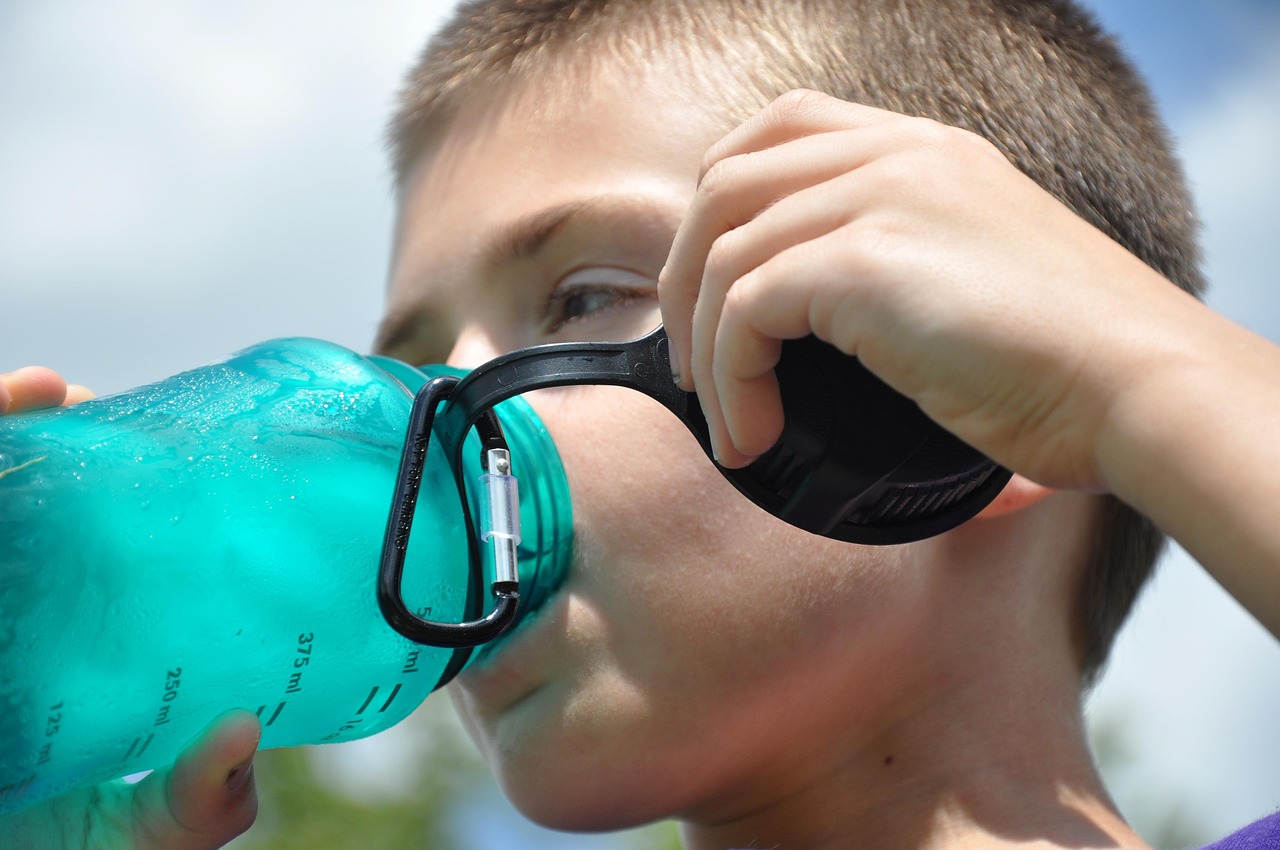
Hydration is crucial for young athletes participating in various sports. Young bodies are more susceptible to dehydration, which can severely affect performance and overall health. The American Academy of Pediatrics strongly recommends that young athletes maintain proper hydration levels before, during, and after training sessions or competitions. Parents and coaches should encourage children to drink water regularly, regardless of whether they feel thirsty. It’s essential for young athletes to understand the difference between hydration needs during intense activity versus regular playtime. For water-rich fruits like watermelon and cucumbers, including these in snacks is beneficial. Coaches should keep an eye on weather conditions, as warm weather increases dehydration risks. In addition, implementing hydration breaks during practices can ensure adequate fluid intake. Athletes should be taught how to recognize dehydration signs, such as fatigue and dizziness. Moreover, setting a good example by modeling proper hydration habits helps reinforce these behaviors. Furthermore, utilizing hydration tracking apps could aid in monitoring personal water consumption. Education about the benefits of hydration can empower young athletes to take charge of their health.
Proper nutrition is equally important for young athletes competing in sports. Athletes require sufficient energy to perform at their best, with balanced macronutrients playing a vital role. The optimal nutrient intake includes carbohydrates, proteins, and fats, along with essential vitamins and minerals. Carbohydrates are the primary energy source and should constitute most of an athlete’s diet. Whole grains, fruits, and vegetables provide the necessary fuel for performance. Proteins support muscle growth and repair, thus incorporating lean meats, fish, dairy, and plant-based options is essential. Healthy fats contribute to energy levels and overall health, mainly sourced from nuts, seeds, and avocados. Ideally, young athletes should eat a variety of foods from all food groups to achieve balance. Meal timing can also impact performance; athletes should eat a combination of carbohydrates and proteins before and after workouts to maximize recovery. Engaging athletes in meal planning may promote better nutritional choices. Furthermore, it is essential to monitor portion sizes to ensure they align with energy expenditure. Education about food labels and understanding nutritional values will empower young athletes to make informed food choices.
The Role of Supplements in Youth Athletics
While a well-rounded diet should provide adequate nutrition, some young athletes consider using supplements to enhance performance. However, it’s crucial to understand that supplements should never replace whole foods. The primary concern regarding supplements is safety; some may contain banned substances or harmful ingredients that could jeopardize an athlete’s health and career. Educating athletes about the potential risks and benefits before using supplements is essential. Consultation with a healthcare professional or a nutritionist can provide tailored advice on whether specific supplements are necessary. Vitamins and minerals can, in some cases, support an athlete’s energy levels and overall health. Nonetheless, supplements such as protein powders should be introduced with caution and monitored closely. For younger athletes, it’s always best to prioritize food-based sources of nutrition. Natural foods tend to provide a balanced array of nutrients beneficial for energy levels. Additionally, many sport organizations impose age restrictions on specific supplements, preventing young athletes from using them. A healthy nutrition strategy should be the focus, promoting sustainability and long-term health. Ultimately, informed decision-making leads to optimal performance and safety.
Young athletes face unique challenges when it comes to food choices and hydration. Peer pressure and social influences can lead to poor dietary habits. To combat these challenges, families should create a supportive environment at home that emphasizes healthy nutritional choices. Parents can assist in meal prepping and provide guidance on proper caloric intake. Encouraging children to participate in shopping and cooking can cultivate their interest in nutrition. Teaching young athletes how to read food labels and understand what they consume is essential for developing healthy habits. Moreover, providing nutritious options at home increases the likelihood of positive choices outside of it. Parents should also educate their children on the importance of hydration and nutrition through discussions about how food affects athletic performance. Team-building activities involving nutrition education can create a culture around health both on and off the field. Additionally, ensuring that those who prepare sports snacks are informed about healthy options is vital. Engaging local dietitians for workshops or seminars can foster a better understanding of nutrition among both athletes and parents. This education can significantly enhance performance and overall well-being.
The Impact of Gender on Nutrition
Gender differences also play a significant role in how young athletes approach hydration and nutrition. Boys and girls can have varying nutritional needs due to differences in body composition and metabolism. For instance, girls require adequate iron intake to offset menstrual losses, which is critical for active female athletes. Consequently, they should focus on iron-rich foods like red meat, leafy greens, and legumes. Additionally, overall caloric needs may differ; girls may require fewer calories than boys during adolescence, but this can vary based on activity levels. Coaches and parents should create individualized dietary plans that consider these differences to ensure every athlete meets their unique needs. Boys, on the other hand, generally have higher protein requirements for muscle development. It’s crucial to provide them with enough protein-rich foods and support their growth and energy needs. Implementing gender-specific nutrition education focused on athletic performance may benefit both female and male athletes. It will encourage the exploration of dietary patterns that optimize performance, enhance recovery, and promote long-term health. Through comprehensive education, young athletes will be better prepared for the demands of their respective sports.
Monitoring an athlete’s hydration and nutritional strategies is important for optimizing youth athletic performance. Regular check-ins to assess body weight and energy levels can help coaches and parents determine if an athlete is meeting their hydration and nutrition requirements. Establishing communication among coaches, parents, and athletes fosters a team approach, ensuring everyone collaborates toward shared health goals. Setting up regular nutrition workshops or hydration seminars can empower athletes with applicable knowledge. These workshops can cover various topics, including meal planning, proper hydration strategies, and understanding nutritional myths. Monitoring techniques should include encouraging regular use of hydration logs and meal trackers, helping to identify areas for improvement. Integrating these practices creates accountability and encourages young athletes to take ownership of their health. Coaches can also implement informal assessments by checking younger athletes’ physical performance during practices. If performance declines, this could indicate a need for nutritional intervention. Additionally, celebrating successful adherence to hydration and nutrition goals will motivate athletes to maintain healthy habits. Ultimately, a multi-faceted approach ensures young athletes recognize the importance of hydration and nutrition in their sports.
Concluding Remarks on Athletic Nutrition
In conclusion, hydration and nutrition regulations play a vital role in the health and performance of young athletes. It’s essential to promote a culture that values these aspects as central to any sports practice. Educators and coaches should unite efforts to develop comprehensive programs emphasizing the necessity of proper nutrition and hydration strategies. Communication between parents and coaches will further enable individuals to create tailored plans benefiting each athlete. Engaging young athletes in their journey to health will empower them to make informed decisions. Furthermore, educating them about sports nutrition can instill lifelong healthy habits. As the landscape of youth athletics continues to evolve, recognizing the importance of comprehensive dietary strategies remains imperative. Sporting organizations must introduce clearer guidelines that address any questions related to hydration and nutrition for young athletes. Encouraging healthy relationships with food, coupled with adequate hydration, leads to happier and healthier athletes. By focusing on both education and communication, the focus on performance can transcend into overall well-being. In doing so, we prepare young athletes not just for sports but for life.
In closing, it’s essential to reflect on the improvements we can make for our young athletes. Coaches, parents, and educational institutions need to prioritize hydration and nutrition education within athletic training programs. Ongoing workshops, forums, and access to nutritionists can help equip young athletes with the tools they need to succeed. Emphasizing the importance of making nutritious choices when dining away from home is crucial. Together, we can foster an environment that champion’s health and performance among youth athletes. By ensuring hydration and nutrition guidelines are prioritized, we will be taking significant steps toward enhancing the future of youth athletics.