
Patellar Tendonitis: Rehabilitation Exercises and Tips
Patellar tendonitis, commonly known as jumper’s knee, is a prevalent injury among athletes and active individuals. This condition typically arises from repetitive stress on the knee joint, resulting in pain and inflammation. Rehabilitation exercises are an essential component of recovery, focusing on both strengthening and stretching. Early diagnosis can significantly improve the outcome, making it easier to mitigate symptoms through a structured rehab approach. It is vital for individuals to engage in the right exercises and maintain a proper rehabilitation timeline. To begin with, apply ice to reduce inflammation and engage in gentle range of motion exercises. Over time, progressing to strengthening exercises will help restore function. Performing eccentric exercises, like decline squats and step-ups, can effectively target the patellar tendon. Additionally, consistent stretching of the quadriceps, hamstrings, and calves enhances flexibility, promoting a healthier knee joint. Seek guidance from a rehabilitation specialist to create a tailored workout plan. Remember that patience and consistency are critical in the recovery process. Properly executing exercises while watching your body’s reactions ensures a sufficient and safe return to activity.
Essential Exercises for Patellar Tendonitis
Engaging in specific exercises for patellar tendonitis is crucial for recovery and strengthening. Start your rehabilitation with isometric quadriceps exercises against a wall to support the knee without movement. Gradually progress to straight-leg raises and quadriceps sets. Another beneficial exercise is the eccentric decline squat, performed on a sloped surface, effectively targeting the tendon. The key is to focus on controlled movements and avoid abrupt motions that may exacerbate the injury. Incorporating step-ups using a stable surface can also help strengthen the knee and improve balance. Implementing stretches like the hamstring stretch, calf stretch, and quadriceps stretch contributes to overall flexibility, reducing strain on the tendon. Consistency is key; aim to work through these rehabilitation exercises at least three times per week for optimal results. Additionally, don’t forget to warm up before your routine and cool down afterward. Ice therapy post-exercise can alleviate any inflammation. Always listen to your body during these exercises; it’s vital to avoid pushing through pain. By following a comprehensive approach to rehabilitation, individuals can effectively recover from patellar tendonitis.
While rehabilitation exercises are core to recovery, it’s equally important to address lifestyle factors contributing to patellar tendonitis. Proper footwear plays a crucial role in how forces are absorbed during activities. Invest in shoes that offer excellent arch support and cushioning to prevent excess strain on the knee. If your training involves high-impact activities, consider cross-training options that place less strain on the knee joint. Swimming and cycling can be great alternatives during recovery periods. Additionally, monitor your training intensity; avoid abrupt increases in workout volume or intensity to prevent overload on the tendons. Incorporating regular flexibility and strength training in your overall workout routine is critical for injury prevention. Maintaining a healthy weight can also decrease stress on knee joints. Eating a balanced diet rich in anti-inflammatory foods may aid in reducing symptoms. Incorporate plenty of fruits, vegetables, lean protein, and whole grains into your meals. Adequate hydration is essential too; drink enough water to keep joints lubricated and functioning optimally. Adopting these healthy lifestyle habits can significantly improve recovery rates and overall knee health.
When to Seek Professional Help
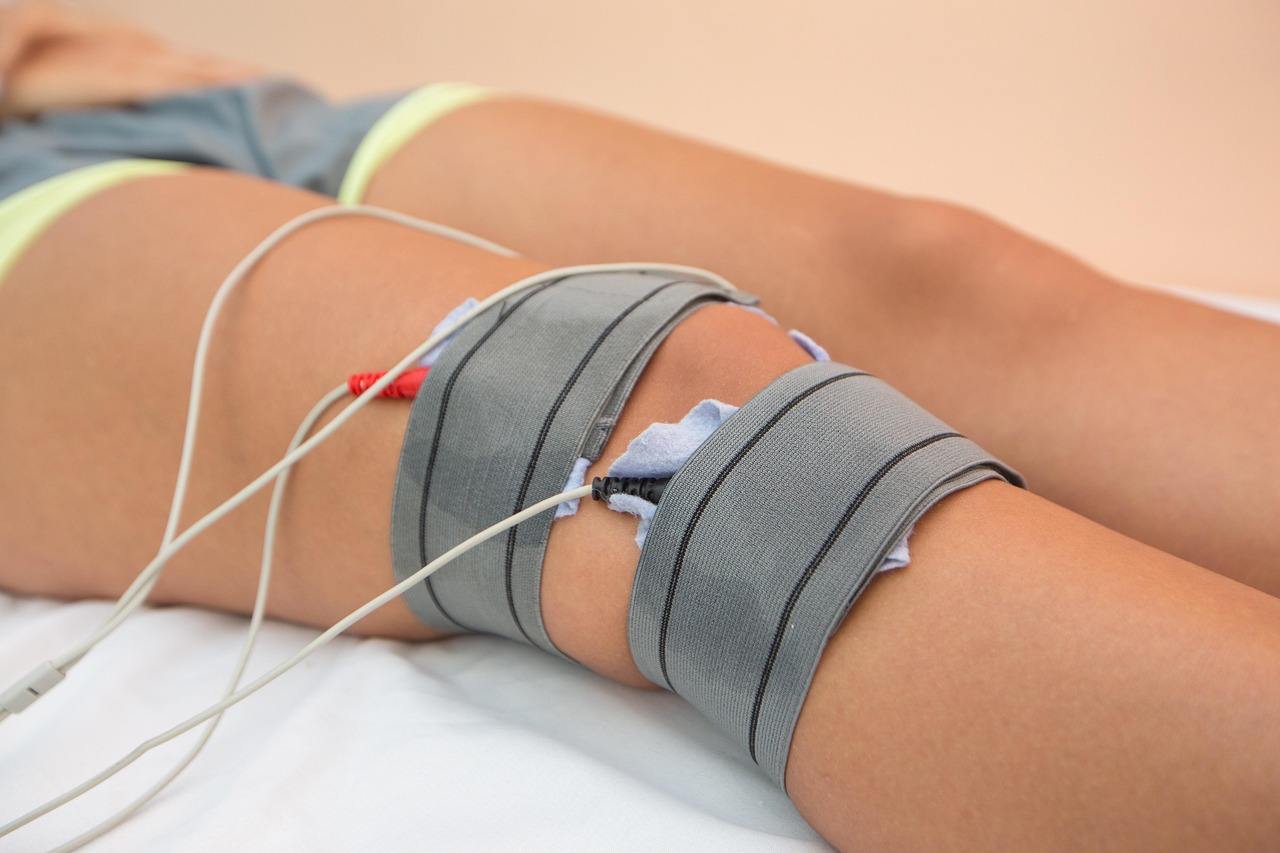
Individuals experiencing persistent knee pain must recognize when to seek professional help. While performing exercises at home is beneficial, there’s a limit to self-treatment. If the pain worsens or significant swelling occurs, consult a healthcare provider for a thorough assessment. Early intervention can prevent further complications and expedite recovery. A physiotherapist or sports medicine specialist can create a tailored recovery plan that suits individual needs. These professionals often utilize advanced treatment modalities, such as ultrasound therapy or electrical stimulation, which can improve recovery rates. Depending on severity, sometimes a brace or taping may be recommended to provide added support during rehabilitation. They might also educate patients about biomechanics, ensuring proper movement patterns during exercises. Furthermore, participating in supervised rehabilitation sessions often provides motivation and accountability, enhancing patients’ commitment to therapy. It is essential for individuals to remain proactive about their knee health and actively communicate any concerns with their healthcare professional. Overall, understanding when to seek assistance is a vital part of the injury prevention and recovery process.
Aside from physical exercises, psychological factors can also influence recovery from patellar tendonitis. Maintaining a positive mindset and prioritizing mental well-being is equally important for rehabilitation. As with any injury, mental challenges can arise, causing frustration and demotivation. Consider incorporating mindfulness techniques, such as meditation or yoga, into your routine to help manage stress levels. These practices can build resilience and improve focus throughout the recovery journey. Joining support groups for individuals with similar injuries can provide encouragement and shared experiences. Recognizing that setbacks may occur during the process is essential; having coping mechanisms in place can enhance overall mental health. Use goal-setting techniques to establish realistic and achievable milestones during rehabilitation. Celebrate small victories, as they can significantly boost morale. Engaging in relaxation techniques, such as deep breathing or visualization, helps to calm the mind and reduces anxiety associated with recovery. Having a comprehensive approach to rehabilitation, addressing physical and mental aspects, can foster a more successful recovery from patellar tendonitis.
Incorporating Technology in Recovery
Modern technology creates opportunities to enhance recovery from knee injuries like patellar tendonitis. Utilizing apps specifically designed for rehabilitation can aid individuals in tracking progress and remaining accountable. Features in these apps may include exercise demonstrations, reminders, and personalized workout plans tailored to your needs. Another excellent tool is wearable technology, such as fitness trackers or smartwatches, which monitors activity levels and activity patterns. These devices can help gauge improvement in mobility and strength throughout the rehabilitation process. Online physiotherapy consultation services also provide accessible options for professional guidance, especially for those unable to attend in-person appointments. Consider implementing online fitness communities that offer support and motivation for those recovering from knee injuries. These communities often share tips, exercise videos, and personal stories, fostering encouragement. Additionally, virtual reality and biofeedback techniques emerging in physical therapy may pave the way for innovative rehabilitative methods. Staying informed about modern technologies relating to recovery can promote better outcomes and adherence to rehabilitation protocols. Embracing these advancements can significantly enhance recovery efficiency while facilitating a more enjoyable journey.
Focusing on long-term management of patellar tendonitis is critical to prevent future occurrences. Moving forward, maintaining a balanced approach towards exercise is essential to ensure knee health. It’s beneficial to incorporate cross-training techniques that target different muscle groups, promoting an overall balanced body. Furthermore, implementing a maintenance routine that includes strength training, flexibility exercises, and aerobic conditioning will help sustain joint health. Be mindful of rest periods and allow sufficient recovery time between workouts. Regular check-ups can help tailor ongoing rehabilitation needs and identify any emerging issues early. It’s important to create a sustainable exercise regimen that accommodates your fitness level and progressive workloads, promoting gradual enhancement without risking further injury. As you develop this regimen, continue learning about body mechanics and ensuring proper form while exercising to minimize injury risk. Celebrating accomplishments while working through challenges fosters a positive mindset, contributing to long-term success. Ultimately, overcoming patellar tendonitis requires a multifaceted approach, ensuring heightened awareness and self-care practices that lead to a healthier, more resilient knee for an active lifestyle in the future.
By following a comprehensive program incorporating rehabilitation exercises, lifestyle adjustments, psychological support, and technological advancements, individuals can recover effectively from patellar tendonitis. Staying committed to the rehabilitation process and prioritizing all aspects of health is key to ensuring a complete recovery. Consulting with healthcare professionals, dedicating time to practice self-care, maintaining positivity, and setting achievable milestones contributes to a smooth recovery. It’s also beneficial to share experiences with others going through the same rehabilitation journey. Understanding that recovery may take time is vital; patience and adherence to prescribed exercises will pay off. Practicing these strategies not only aids in healing but also fortifies the body to prevent future injuries. Making gradual adjustments and remaining informed about body mechanics can significantly add to injury prevention. Remember that every journey has its ups and downs, and listening to your body is crucial. Should signs of pain or discomfort arise, don’t hesitate to consult professionals for guidance. Approaching recovery holistically lays the groundwork for a healthier lifestyle, enabling individuals to return to their favorite activities with confidence.