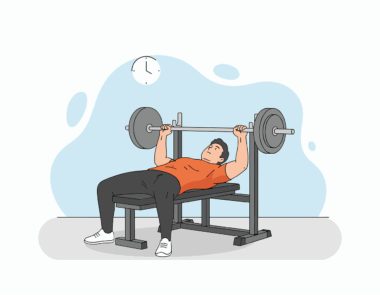
Do You Need to Work Out Every Day? Myth vs Reality
When discussing fitness, one of the most prevalent myths is the belief that working out daily is essential for success. Many individuals assume that to achieve their fitness goals, they must dedicate every day to rigorous training. However, this perception can often lead to burnout and even injuries. In reality, fitness should be approached with balance. The body requires time to recover and repair muscles after intense workouts. Overtraining can hinder progress and diminish overall performance. Instead of focusing solely on daily workouts, consider how varying your routine and scheduling rest days can actually enhance your fitness journey. Incorporating a diverse range of activities, such as strength training, cardio, and flexibility exercises, can provide benefits while also allowing your body to recover. Remember, consistency is key, but that doesn’t always mean exercising every day. Understanding your body’s signals and needs will lead to a more sustainable fitness regimen. Emphasizing quality over quantity can contribute more effectively to long-term success in achieving and maintaining physical fitness, both physically and mentally. So, is daily exercise necessary? The answer lies in finding what works best for you.
One reason the myth of daily workouts persists is the influence of social media and fitness culture. Platforms showcase individuals boasting about their daily grind, creating unrealistic expectations. However, not everyone has the same lifestyle or recovery capabilities. Variation is crucial for sustained motivation and physical outcomes. Instead of pressuring yourself to train every day, consider understanding your unique needs and limits. Focus on creating an exercise regimen that works for you personally. High-intensity workouts may be necessary for some but not for everyone. Educating yourself on effective training frequency is more beneficial. A well-rounded plan incorporating strength, endurance, and rest leads to optimal results. Also, incorporating enjoyable activities can help maintain interest in your fitness routine. Take time to experiment with different modalities and workouts. The psychological impact of finding joy in exercising cannot be overstated. Moreover, remember that mental health is as important as physical health in fitness. Allowing yourself rest and relaxation promotes overall well-being. Therefore, rather than adhering to the myth of working out every day, empower yourself with knowledge on effective fitness practices tailored to your personal fitness journey.
The Importance of Rest Days
One significant aspect that often gets overlooked in fitness discussions is the importance of rest days. Rest is not just an absence of training; rather, it is a crucial component for muscle recovery and growth. When we exercise, we create small tears in our muscle fibers. These fibers need time to repair so they can grow back stronger. Overexerting yourself by working out daily can lead to fatigue and decreased motivation. Additionally, rest days provide an essential opportunity to avoid injuries resulting from overuse. In fact, many successful athletes advocate for incorporating days of lighter activity or complete rest into their schedules. Listening to your body can also help determine when it’s time to rest and recuperate. Active recovery exercises, such as stretching, yoga, or low-intensity activities, can also be beneficial. Emphasizing recovery enhances mental focus and physical capabilities, allowing for more productive workouts on training days. Ultimately, committing to a balanced training schedule that includes adequate rest will not only improve performance but also promote longevity in your fitness journey. Learn to embrace rest as part of your overall fitness strategy.
Another pertinent consideration is the overall lifestyle factors influencing fitness regimens. Diet, hydration, sleep, and stress management play critical roles in physical success. If your nutrition is lacking or you’re not getting adequate sleep, working out every day can be counterproductive. Addressing these lifestyle factors can have a far more positive impact on your fitness goals than simply increasing workout frequency. Nutrient-rich foods help fuel your workouts and assist with recovery, while proper hydration keeps your body functioning at its best. Furthermore, quality sleep is crucial for cellular repair and mental clarity. Stress management techniques, such as mindfulness or meditation, can complement your fitness journey by reducing anxiety and ultimately improving performance. Balancing all these components is essential. Instead of prioritizing daily workouts, consider how to create a lifestyle that supports your overall fitness goals. This holistic approach not only enhances physical performance but also allows for a more enjoyable and sustainable fitness journey. Remember, fitness is not just about exercising; it encompasses various lifestyle practices that contribute to overall well-being.
Listening to Your Body
When it comes to establishing a fitness routine that works for you, the most significant factor is learning to listen to your body. Everyone’s fitness journey is unique, and one person’s perfect regimen may not work for another. Pay attention to how your body reacts to different workouts. Some individuals may thrive on daily challenges, while others may find it counterproductive. Recognizing your body’s signals is essential; fatigue, soreness, and mental burnout are all indicators that it might be time for a break. Implementing a lighter workout day or even a complete rest day can lead to improved performance on tougher training days. Tune into your body and adjust your routine as needed. Flexibility within your fitness plan helps you stay motivated and aligned with your goals. Also, allow yourself the grace to modify programming based on how you feel physically and mentally. Avoid forcing yourself into a rigid schedule, as this can impact motivation negatively. Embracing a fitness approach that respects your body’s unique needs fosters better outcomes and allows for a healthier relationship with exercise.
Moreover, setting realistic and achievable fitness goals is essential to sustain long-term engagement. Instead of obsessing over completing daily workouts, focus on clear milestones that can encompass various aspects of physical health. Short-term goals might include increasing workout intensity or improving specific performance metrics. These goals cultivate a sense of accomplishment and progress. Tracking achievements will motivate you further along your fitness journey. Gradual adaptation is often more effective than immediate changes that could put your body at risk. Understanding that fitness is a marathon, not a sprint, can shift your perspective and influence your habits positively. Additionally, community engagement can also play a significant role in maintaining motivation. Surrounding yourself with like-minded individuals or joining group classes can keep the spirit alive. Lastly, remind yourself that consistency is more valuable than perfection. Progress may involve ups and downs; thus, learning to adapt to change will enhance resilience. Assess what a balanced regimen looks like for you while ensuring that fitness becomes an enjoyable part of your lifestyle.
Conclusion: Prioritize Quality
In conclusion, the belief that daily workouts are vital for achieving fitness goals is a myth that needs debunking. Instead of comparing yourself to others or adhering to societal pressures, embrace a personalized fitness journey that resonates with your body and lifestyle. The effectiveness of a fitness regimen relies on multiple factors: balanced training, adequate rest, and proper recovery practices. Rather than adhering to unrealistic daily training regimens, leverage the time you spend exercising to focus on quality rather than quantity. Implementing effective rest strategies, listening to your body, and fostering a holistic approach will ultimately benefit your overall health in the long run. By setting achievable goals and celebrating the small victories, you will foster a positive relationship with physical activity. Your fitness journey should empower and energize rather than create stress. Consistency should be meaningful rather than a rigid daily obligation. In short, redefine your understanding of fitness by allowing flexibility in your routine and prioritizing well-being over conformity. Remember, fitness is personal, and embracing that personal journey will lead to ultimately rewarding outcomes.
While many believe that dedication means hitting the gym every day, success stems from understanding one’s unique journey. Fitness should not be a source of pressure but rather a pathway to discovering your own limits and strengths. Evaluating how different movements affect your body will help you establish an effective routine. Work on building a lifestyle habit that includes various activities, routines, or practices that resonate with you personally. Complement strength training with rest days, so your body has the time it needs to recover. Remember, recovery empowers gains by allowing muscles to adapt, grow, and strengthen. Workouts focusing on diverse methods, integrations of recovery practices, and remaining attuned to personal needs create a substantial positive impact. Consider engaging with the community through group classes to stay inspired and motivated. Foster connections that encourage progress and accountability. Ultimately, working out is a personal experience — establish a routine that best serves you and pushes you towards your goals. Striking that balance between effort and recovery is key to fostering long-term success in fitness, which ultimately results in achieving desired outcomes along your journey toward well-being.