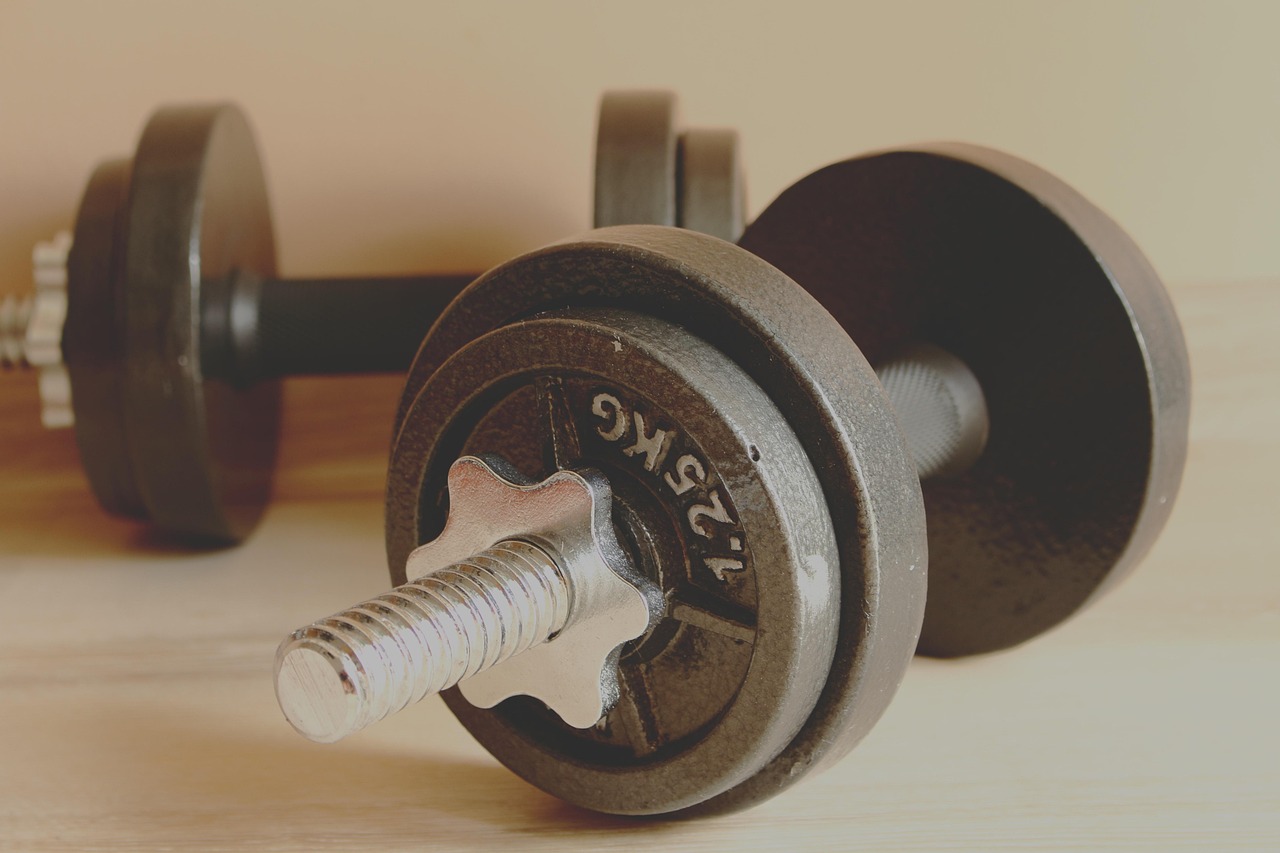

Weightlifting Techniques for Beginners: Building a Strong Foundation
Weightlifting is an excellent way to build strength and improve overall fitness, but it is essential to start with proper techniques, particularly for beginners. Mastering basic lifting techniques can prevent injuries and create a solid foundation for future progress. Key movements like the squat, deadlift, and bench press are fundamental exercises that can be performed safely. For beginners, focusing on form and technique rather than the amount of weight is crucial. This approach ensures that muscles are developed correctly and reduces the risk of injury. Before starting any weightlifting program, it is advised to consult with a trainer who can provide guidance tailored to individual needs. Techniques such as warm-ups and stretching are beneficial to prepare the body for lifting. Additionally, using proper equipment, such as weightlifting shoes and belts, can enhance stability and support during workouts. Furthermore, beginners should remember to listen to their bodies. If they experience any pain or discomfort during exercises, they should stop immediately and reassess their technique. With consistent practice, beginners will soon feel confident in their movement patterns, leading to more significant gains over time.
Understanding the Importance of Technique
Understanding the importance of executing proper lifting techniques cannot be overstated. When beginners learn weightlifting, they often overlook the significance of maintaining correct posture and alignment. Correct technique not only maximizes the effectiveness of each lift but also safeguards the body from potential injuries. With improper techniques, such as rounding the back during the deadlift, one can risk severe injuries that can sideline progress for extended periods. Emphasizing good form helps beginners develop muscle memory necessary for executing lifts as they progress. Utilizing lighter weights initially enables beginners to concentrate on their form without the added stress of heavy loads. Furthermore, watching instructional videos or engaging in guided sessions with a qualified coach can further refine techniques. Ensure that one focuses on each phase of the lift, from the setup through the lift to the return to the starting position. This attentiveness ensures that every workout is constructive, gradually progressing towards proficiency in weightlifting. By developing proper techniques early on, beginners create a pathway for future weightlifting success in both performance and injury prevention, cultivating lifelong fitness habits that can be beneficial.
As beginners become more comfortable with weightlifting techniques, it is essential to introduce them to various lifting styles suitable for different age groups. Each demographic may have unique requirements and physical limitations. For instance, younger individuals often have more flexibility and muscle recovery. However, they still require guidance to develop the correct form. In contrast, older adults might need more emphasis on stability and balance. Thus, identifying the appropriate lifting method corresponding to an individual’s age can ensure safe training. Furthermore, beginners should be encouraged to explore diverse types of weightlifting, such as Olympic lifting or powerlifting, depending on their interests and fitness goals. Participation in age-appropriate training can foster a sense of community and motivation. There are also age-specific weightlifting programs available that consider the strengths and weaknesses inherent at various life stages. For successful outcomes, beginners should also incorporate recovery days into their training routines. Recovery allows both physical and mental recuperation through rest or lighter activities such as yoga or stretching, bolstering future lifting sessions.
Nutrition’s Role in Weightlifting
Nutrition plays a pivotal role in enhancing weightlifting performance. Properly fueling the body with the right nutrients ensures energy levels stay high during workouts while promoting muscle repair and growth. For those beginning their weightlifting journey, consuming a balanced diet rich in protein, carbohydrates, and healthy fats is crucial. Proteins aid in repairing torn muscle fibers and aiding recovery post-workout. A good rule of thumb suggests consuming around 0.8 grams of protein per kilogram of body weight daily. Simple yet effective meals for beginners could include eggs, chicken, and legumes. Carbohydrates are also vital, as they provide sustained energy for lifting sessions. Whole grains, fruits, and vegetables should be staples in any diet for optimal performance. Additionally, healthy fats, found in foods like avocados and nuts, support overall health and enhance muscle recovery. It’s also essential for beginners to stay well-hydrated before, during, and after workouts. Water plays a critical role in energy levels and muscle function. Maintaining a nutrition journal can help beginners track their intake and identify areas needing improvement, optimizing their lifting experience in this journey.
Rest and recovery must be integral components of a weightlifting program for beginners. Understanding how muscles grow is essential; they need adequate time to repair and recover after intense workout sessions. Rest days are just as important as active training days; they contribute to overall muscle growth and performance. Normally, beginners should aim to have at least one full rest day each week. The benefits of proper recovery include improved strength, reduced risk of injuries, and enhanced muscle performance. Educating oneself about active recovery practices, such as light exercises and stretching, can also facilitate muscle healing. Overtraining, a condition that can stem from inadequate recovery, worsens both performance and motivation levels. To maintain progress and enthusiasm for weightlifting, beginners must listen to their bodies and adjust their routines accordingly. Utilizing techniques like foam rolling or gentle yoga can aid recovery and improve flexibility. Tracking training loads and recovery days can assist beginners in establishing balance throughout their journey. Establishing a healthy relationship with rest helps build longevity in weightlifting, promoting lifelong fitness habits.
Setting Goals in Weightlifting
Setting realistic and achievable goals is pivotal for weightlifting beginners. Goals provide motivation and direction, guiding individuals on their lifting journeys. A beginner should set SMART (Specific, Measurable, Achievable, Relevant, and Time-bound) goals to ensure clarity and focus. For instance, aiming to lift a specific weight in a particular timeframe can provide a tangible target. Celebrating minor milestones, like improving form or increasing weights lifted, can boost confidence and motivation. Furthermore, it is essential for beginners to remember that progress is not always linear. Days may come when lifts feel challenging, but consistency is key to long-term success. Tracking progress can also highlight improvements in strength that beginners may overlook. This practice can include keeping a journal of weights lifted and drills practiced. Additionally, seeking support from trainers or experienced lifters can offer fresh perspectives and encouragement. Beginners can form a community by joining group classes or online forums to share experiences and tips. This supportive environment can enhance learning, making the weightlifting journey not only productive but also enjoyable, fostering a love for fitness that extends beyond the gym.
To further enhance the understanding of weightlifting techniques, beginners should consider the importance of flexibility and mobility training. These areas complement strength training, significantly impacting performance. Regular flexibility exercises enhance the range of motion, making it easier to perform lifts with proper form. Integrative practices like yoga or dynamic stretching serve to improve both flexibility and mental focus. This holistic approach promotes not only physical capabilities but also mindfulness, essential for managing weightlifting challenges. Warm-up routines that incorporate mobility movements should precede lifting sessions; this practice prepares the muscles for work and minimizes injury risks. Beginners can include targeted stretches for common areas used in weightlifting, such as the hips, hamstrings, and shoulders. Additionally, incorporating cooldown routines after workouts allows muscles to relax, restoring flexibility and promoting better recovery. Ultimately, an established flexibility routine supports overall fitness goals while creating a well-rounded approach to lifting. By prioritizing flexibility alongside strength training, beginners set themselves up for greater success, ensuring their techniques remain sound through their fitness journeys. This dedication to flexibility contributes to more prolonged growth in their weightlifting endeavors, maximizing training effectiveness.
In conclusion, building a strong foundation in weightlifting techniques is vital for beginners of all ages. Emphasizing proper form, exploring different lifting methods, and understanding nutrition can positively influence one’s experience with weightlifting. Plus, integrating rest and flexibility can lead to sustainable fitness practices. Setting achievable goals empowers progress while fostering motivation throughout their fitness journey. Lastly, continuous learning from trainers and fellow lifters in supportive environments can reinforce good habits and create a sense of community. Overall, the journey into weightlifting should aim towards personal improvement and wellness, transcending beyond the weights lifted. Those engaged in weightlifting can improve their physical abilities, mental resilience, and self-confidence through practice. As they grow in strength and knowledge, lifelong benefits will follow. Therefore, investing time and effort into learning essential weightlifting techniques is a wise choice for anyone excited to embark on their fitness adventure. As beginners progress, they will create a lasting impact on their health and well-being. Transforming their bodies through lifting contributes to a successful life, incorporating healthy habits that last well into the future.