
Rebuilding Strength: Post-Injury Weightlifting Rehab Exercises
Incorporating rehabilitation exercises into your weightlifting routine is essential after an injury. The key lies in understanding the necessary techniques and exercises that facilitate recovery and restore strength. Rehabilitation is not just about addressing the injury; it also focuses on rebuilding confidence and natural movement patterns. The use of gradual loading techniques helps in promoting muscle restoration without risking re-injury. It’s vital to intimately understand your body’s current limitations. Working closely with a qualified physical therapist ensures the exercises selected are both safe and effective. Within this process, aim to identify the root cause of the injury, possibly focusing on muscular imbalances or lack of flexibility. Choose controlled environments, starting with lightweight exercises to allow your body to adapt progressively. Alongside physical recovery, mental resilience should also be nurtured. Using visualization techniques can promote a positive mindset conducive to healing. Remember, patience is crucial. These rehab exercises require time, gradual progression, and constant assessment to monitor your recovery effectively, adapting the workouts according to your evolving capabilities. Proper nutrition, hydration, and rest play crucial roles in supporting your rehabilitation journey toward rebuilding overall strength in weightlifting.
Starting with the basics is fundamental when reintroducing weightlifting post-injury. Incorporating exercises like resistance bands can significantly aid in re-establishing strength without excessive strain. This technique allows users to perform movements that mimic traditional weightlifting with controlled resistance. It’s effective because bands provide variable tension throughout the range of motion. Begin with exercises targeting major muscle groups, such as squats and bench presses, using resistance bands for added support. Ensure correct posture and technique as you perform these exercises, as form directly influences recovery. Begin with light resistance and progressively increase as confidence and strength build. Under the guidance of a certified instructor, explore functional movements that reinforce coordination and stability. Additionally, consider incorporating isometric holds into your routine. This technique involves holding a position under tension, which promotes strength without movement, making it beneficial during your recovery phase. Engage in these exercises several times a week to establish a solid foundation before transitioning back to traditional weightlifting routines. Flexibility and mobility work should complement these rehabilitation exercises, ensuring your body maintains a full range of motion as you progress in your recovery journey.
Core Strengthening Techniques
Core strength is critical in any weightlifting rehab program. Engaging in specialized core strengthening exercises can significantly aid in recovery while reinforcing stability during lifts. A strong core supports every movement, improving balance and control, which is essential post-injury. Exercises such as planks, dead bugs, and bird dogs are excellent choices for rebuilding core stability. These movements focus on engaging multiple muscle groups, helping to foster overall strength and functionality. Start with basic variations, progressing to more challenging versions as strength develops. In addition, incorporate stability challenges, such as using a Swiss ball or wobble board to enhance proprioception and balance, vital after an injury. Consistency is key; practice these core workouts regularly to see substantial improvements in your weightlifting abilities. Moreover, remember to maintain proper breathing techniques while engaging the core during exercises. This not only supports muscle engagement but also prevents unnecessary strain on the spine. As strength improves, you may also integrate rotational movements to enhance muscle coordination. Ultimately, these foundational core exercises will provide significant benefits, supporting your weightlifting capabilities for sustained success after recovery.
One effective strategy in rehabilitation is the implementation of unilateral exercises, targeting one side of your body at a time. This approach encourages the development of strength and balance while still protecting the injured site. Exercises such as single-arm dumbbell presses, one-leg squats, and single-leg deadlifts can be advantageous in rebuilding strength. Unilateral movements challenge stability and engage core muscles, necessitating greater control and coordination. Start with moderate weights and ensure proper form before progressing, allowing your body to adapt to these new demands safely. Additionally, integrating resistance machines can facilitate controlled movement patterns during rehabilitation. Machines provide support and guide your movements while minimizing risk. Evaluate which machines cater to your recovery needs and focus on light to moderate resistance throughout your recovery journey. Regularly switching the exercise variations can help prevent plateaus and maintain engagement in your rehab process. Remember, personalization of your rehab program is essential. Consult with a fitness professional to tailor the exercises and their intensity to match your recovery requirements. Assess progress frequently, modifying the program based on your body’s feedback and adapting your workouts accordingly.
Using Mobility Exercises
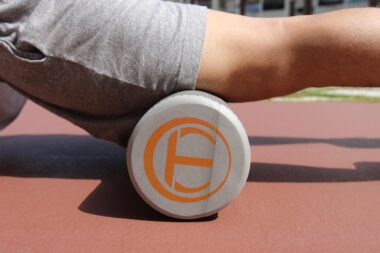
Mobility exercises play a crucial role in weightlifting rehabilitation, particularly post-injury. Enhancing mobility through dynamic stretches and joint mobilization can lead to improved performance and reduced risk of future injuries. Incorporating movements targeting the shoulders, hips, and ankles promotes better range of motion essential for lifting. Simple exercises like arm circles, hip openers, and ankle dorsiflexion stretches create fluidity in movement patterns, preparing your body for more intense weightlifting. Prioritize incorporating these mobility routines into your pre-lift warm-up sessions. Dynamic stretching should replace static stretching before workouts, promoting active engagement of muscles. Perform mobility routines for at least fifteen minutes to ensure adequate preparation and to awaken the muscles. Incorporate foam rolling and self-myofascial release into your routine as well; these techniques alleviate tightness and improve blood circulation to the targeted areas. A comprehensive recovery protocol includes consistent mobility work alongside strengthening exercises. Maintain a flexible mindset during this recovery phase, celebrating small gains in mobility and comfort levels. Consistent engagement can foster greater adaptability and resilience during your weightlifting journey, ultimately setting a strong foundation for future challenges as you progress through rehabilitation.
Nutrition also plays an equally important role in weightlifting rehabilitation. Crafting a balanced and nutritious diet can significantly affect recovery time and overall strength building. Prioritize protein-rich foods, as they support muscle repair and recovery after rigorous workouts. Incorporate lean meats, legumes, and dairy products into your daily meals to provide adequate protein intake. Additionally, complex carbohydrates such as whole grains and fruits are critical as they fuel workouts and enhance energy levels. Ensure adequate hydration as well to maintain performance and support recovery processes. A dehydrated body can experience sluggishness, fatigue, and delayed healing. Remember to consume omega-3 fatty acids, rich in anti-inflammatory properties, to further aid your rehabilitation process. Foods such as fish, walnuts, and flaxseeds can contribute essential nutrients. Apart from the choice of food, meal frequency matters too; consider eating smaller, more frequent meals throughout the day to support sustained energy levels. Lastly, don’t hesitate to consult with a nutritionist to devise the most suitable dietary plan tailored to your specific recovery needs. Integrating these dietary considerations alongside your rehabilitation exercises can enhance your performance and promote a faster return to full weightlifting capabilities.
Rest and Recovery
Rest and recovery are often overlooked aspects of effective rehabilitation in weightlifting. Relying solely on exercises can lead to burnout, increasing the likelihood of further injuries. Scheduling adequate recovery time is essential for muscle repair and overall progress. Make it a priority to include rest days in your training schedule, providing opportunities for the body to recuperate. Quality sleep is critical, as it fosters optimal muscle recovery, repair, and strengthens the immune system. Aim for 7-9 hours of sleep per night to improve performance outcomes. Additionally, practicing active recovery methods can facilitate the healing process. Gentle activities such as walking, yoga, or swimming can promote circulation and flexibility without placing excessive stresses on recovering muscles. Consider integrating low-intensity cardio workouts on rest days, allowing joints and muscles to remain engaged and stimulated. Utilize recovery aids like compression garments or cold therapy techniques to reduce inflammation and expedite the healing process. The combination of rest days, proper sleep, active recovery, and additional recovery techniques will significantly bolster your rehabilitation. By prioritizing rest, you will create a sustainable pathway to resumed weightlifting and improved strength over time.
Ultimately, embarking on a weightlifting rehabilitation journey requires a multifaceted approach. Addressing both physical and psychological components is significant in achieving optimal recovery outcomes. Building strength post-injury involves recognizing individualized needs and formulating tailored routines. Enlist the help of physical therapists, trainers, and nutritionists to create programs that align with your unique recovery journey. Assess your emotional well-being as part of this process, as mental barriers can impede progress. Build your support network with peers who share similar goals, fostering motivation and encouragement throughout your rehabilitation phase. Set realistic and measurable goals while tracking your progress to remain accountable for your advancements. Alongside this positive reinforcement, be patient with yourself during the recovery journey—acknowledge that setbacks may occur, but they are part of the learning process. Embrace this period as an opportunity to learn more about your body and continuously refine your approach. Remember, rehabilitation is an ongoing journey, and staying proactive is key to enhancing performance and resilience long-term. As you rebuild strength, focus on cultivating balance, flexibility, and mobility. This comprehensive perspective will ensure a successful transition back into the weightlifting realm.