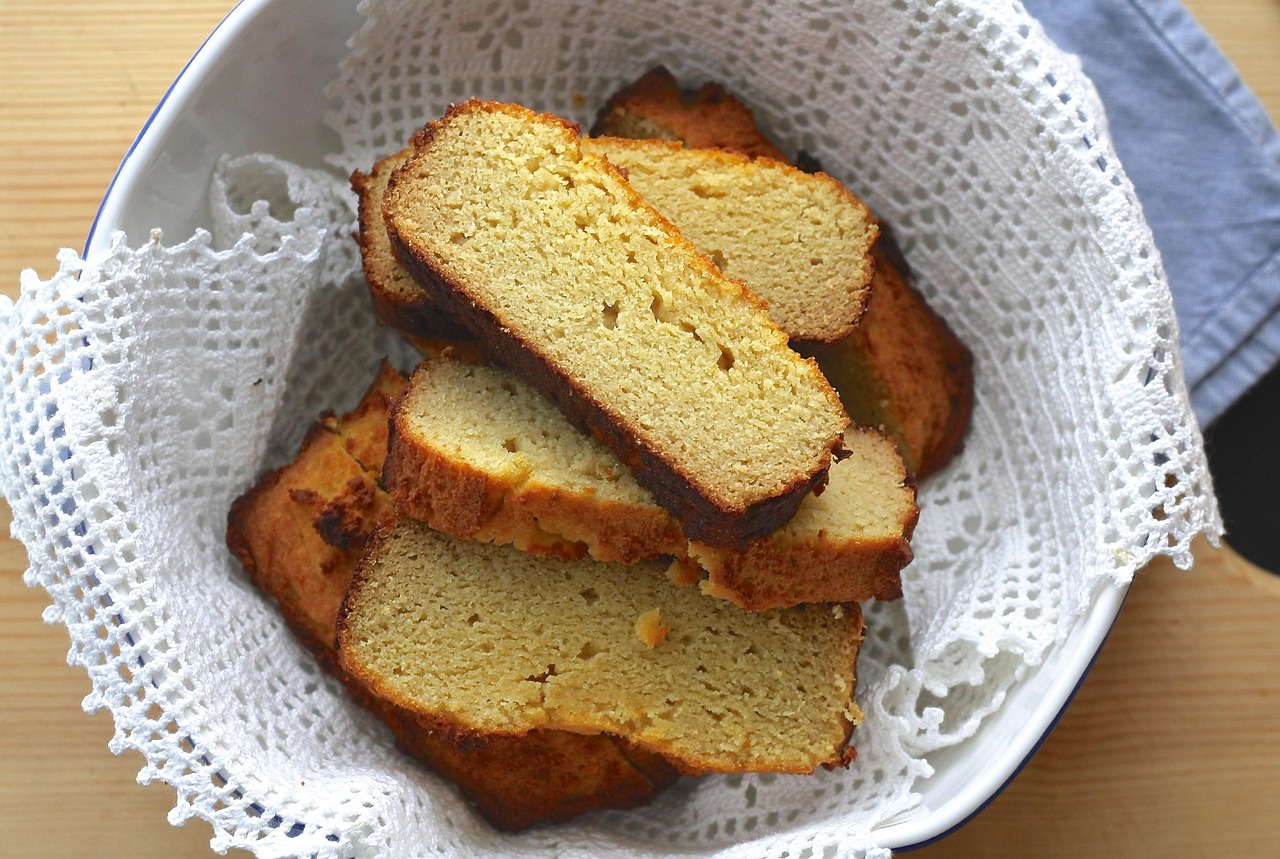

Gluten-Free and Nutritious Dinner Recipes for All Ages
Cooking healthy meals is essential for overall well-being, and creating gluten-free dinner recipes ensures everyone can enjoy nutritious options. Utilizing whole foods and incorporating a variety of vegetables can create delicious meals suitable for all ages. One great dish to prepare is a quinoa salad with roasted vegetables, which not only provides protein but is also gluten-free and rich in vitamins. Combine cooked quinoa, zucchini, bell peppers, and onions, adding a drizzle of olive oil and lemon juice for flavor. Another fantastic option is zucchini noodles topped with marinara sauce and turkey meatballs, offering a low-carb meal that kids will love. You can also prepare grilled chicken with a side of steamed broccoli and a sweet potato for a balanced and filling dinner. Additionally, stuffed bell peppers can be made gluten-free by using brown rice or quinoa mixed with black beans and spices for flavor. This colorful dish is nutritious and can be varied with different fillings based on personal preferences. Incorporate herbs and spices to enhance flavors and make your meals truly enjoyable while ensuring they are healthy and gluten-free.
Kid-Friendly Gluten-Free Recipes
Making gluten-free meals appealing to younger family members can sometimes be a challenge, but it can be achieved. Consider creating gluten-free chicken tenders by coating chicken pieces in almond flour and baking them until golden and crispy. Serve these with homemade sweet potato fries and a side of ranch dressing made from Greek yogurt for dipping. Another fun recipe is gluten-free pizza night, where everyone can customize their own cauliflower crust pizza. This involves mixing cauliflower rice with cheese and eggs to form the crust, then baking before adding tomato sauce and toppings. It’s an interactive way for children to get involved in meal preparation as well. Tacos can also be made gluten-free using corn tortillas filled with seasoned meat, lettuce, cheese, and fresh salsa. This is particularly great for family get-togethers where choices are plentiful. Finally, you can try making a tasty vegetable stir-fry served over brown rice. Kids often enjoy colorful dishes, and this meal is packed with nutrients and flavor. Keeping the meals bright and engaging while ensuring they are healthy can foster a love for gluten-free cooking.
For a warm, hearty dinner, consider preparing a gluten-free chili that is not only nutritious but also easy to make. Combine black beans, kidney beans, corn, diced tomatoes, and ground turkey in a large pot. Season with chili powder, cumin, and garlic for a robust flavor. Let it simmer for about an hour, allowing all flavors to meld together. This dish is filled with protein and fibers, making it satisfying for all ages. Serve it with avocado slices and gluten-free cornbread for a comforting meal. Another excellent option is an eggplant lasagna that substitutes traditional pasta with layered eggplant slices. Create a filling with ricotta cheese and spinach, then layer with marinara sauce. Bake until bubbly for a rich and decadent dish. Meals prepared this way are not only gluten-free but also heart-healthy. Furthermore, preparing hearty soups can be a fantastic family activity. Roasted carrot and ginger or creamy tomato soup can be made gluten-free using natural ingredients. The warmth of these soups, especially during colder months, can be cherished by all. Experimenting with flavors can create deeper connections to healthy eating routines.
Efficient Meal Planning for Gluten-Free Dinners
Meal planning is a practical way to ensure that you have gluten-free meals ready throughout the week. Set aside time to create a weekly menu that includes diverse nutritious dinner ideas. Planning lunches and breakfasts can also save time and encourage healthy eating all around. Start by selecting staple ingredients that can be used in multiple recipes. For example, brown rice, quinoa, and gluten-free pasta can serve as great bases for various meals across the week. Create batches of roasted vegetables and protein, which can be used in different dishes, such as stir-fries, salads, and wraps. Having these prepped can cut down on cooking time significantly on busy nights. Don’t forget to involve the family in the process; encouraging everyone to partake in meal preparation can teach dietary choices and cooking skills. Keep a stash of healthy snacks readily prepared to support hunger in between meals. Utilizing organization tools, like labelled containers, can make accessing ingredients simpler. Therefore, meal planning not only saves time in the kitchen but also helps in maintaining a gluten-free lifestyle for you and your family.
Another nutritious and gluten-free dinner recipe is a baked salmon dish, rich in omega-3 fatty acids and perfect for all fitness levels. Season salmon fillets with a mixture of olive oil, lemon zest, and fresh herbs, then bake until flaky. Serve with asparagus tossed lightly in garlic or a side of quinoa salad. This meal is flavorful and promotes heart health, making it great for family dinners. For those looking for meatless recipes, a creamy mushroom risotto can be made gluten-free by using arborio rice and vegetable broth. Stirring frequently until creamy creates comfort food that’s both indulgent and nourishing. You can also opt for gluten-free curry options, such as chickpea curry with coconut milk. Pair with rice for a complete meal. Additionally, making simple stir-fried vegetables with tofu can enhance overall nutrient intake while keeping the dish gluten-free. Family styles of serving to allow everyone to help themselves can make dinners more communal. The aim with these meals is to create not just sustenance but also connections through food, ensuring everyone looks forward to dinnertime and enjoys healthy eating.
Incorporating Seasonal Ingredients
Shopping seasonally can often lead to discoveries of fresh and nutritious ingredients perfect for gluten-free recipes. When planning dinners, consider using fruits and vegetables that are in season for the best flavor and nutritional content. Seasonal produce can inspire innovative and delightful dishes that entice every palate. In winter, root vegetables like sweet potatoes and beets can be featured in colorful salads or roasted with herbs. Spring brings fresh greens such as spinach and asparagus, which can enhance any meal offered as salads or lightly sautéed sides. Summer dishes may include vibrant tomatoes, peppers, and zucchini in hearty casseroles or grilled dinners. Autumn favors hearty squashes like butternut or pumpkin, creating soups that offer flavor and comfort during chilly evenings. Always aim to include a wide array of colors on your plate—this not only makes for a visually appealing meal but also ensures you gain diverse nutrients. Make a habit of visiting local farmers’ markets to explore fresh and local offerings. By incorporating seasonal ingredients, you can keep meals interesting and nutritious, promoting healthy habits for all family members.
Finally, dessert can also remain a delicious and gluten-free delight! Consider preparing a fruit-based dessert like a mixed berry crisp with oats. Use almond flour mixed with gluten-free oats for the topping, baked until it’s golden. Not only is it simple to create, but it’s also wholesome. Coupling the crisp with a side of yogurt or whipped coconut cream elevates the dessert experience. Another sweet option is gluten-free brownies made from black beans or chickpeas, offering a fudgy taste while containing protein. This dessert introduces the concept of sneaking in nutrients while still satisfying sweet tooth cravings. Fruit popsicles with blended fruits can also be a refreshing treat during warmer months, great for kids and adults alike. Additionally, consider creating a gluten-free cookie assortment using nut flours, making them chewy and delectable. The key with desserts is moderation, and choosing recipes that offer healthier alternatives can make for guilt-free indulgence. By integrating these recipes, family values of health can be woven through meals, enhancing both well-being and satisfaction during dessert time.
With these gluten-free dinner options and recipes, you can foster healthier eating habits for your entire family. The beauty of cooking gluten-free is discovering diverse ingredients that work together seamlessly while offering loads of nutrients. Creating a well-planned menu ensures everyone can indulge without sacrificing taste! Incorporate a variety of textures and colors to appeal to appetites at any age. Finally, ensure to have fun with it; cooking shows and cookbooks can offer additional inspiration to keep meals fresh! Also, involving the family in cooking not only educates them about healthy eating but also encourages them to express creativity through food. Share these recipes with friends and family to create strong community bonds regarding gluten-free living. Emphasizing health through meal planning, experimenting with flavors, and including wholesome ingredients results in filling, enjoyable dinners! Remember that making these small adjustments in your cooking not only enhances individual diets but can also create impactful health benefits for years to come. With every recipe, a touch of love goes a long way, making all the difference at the dinner table.