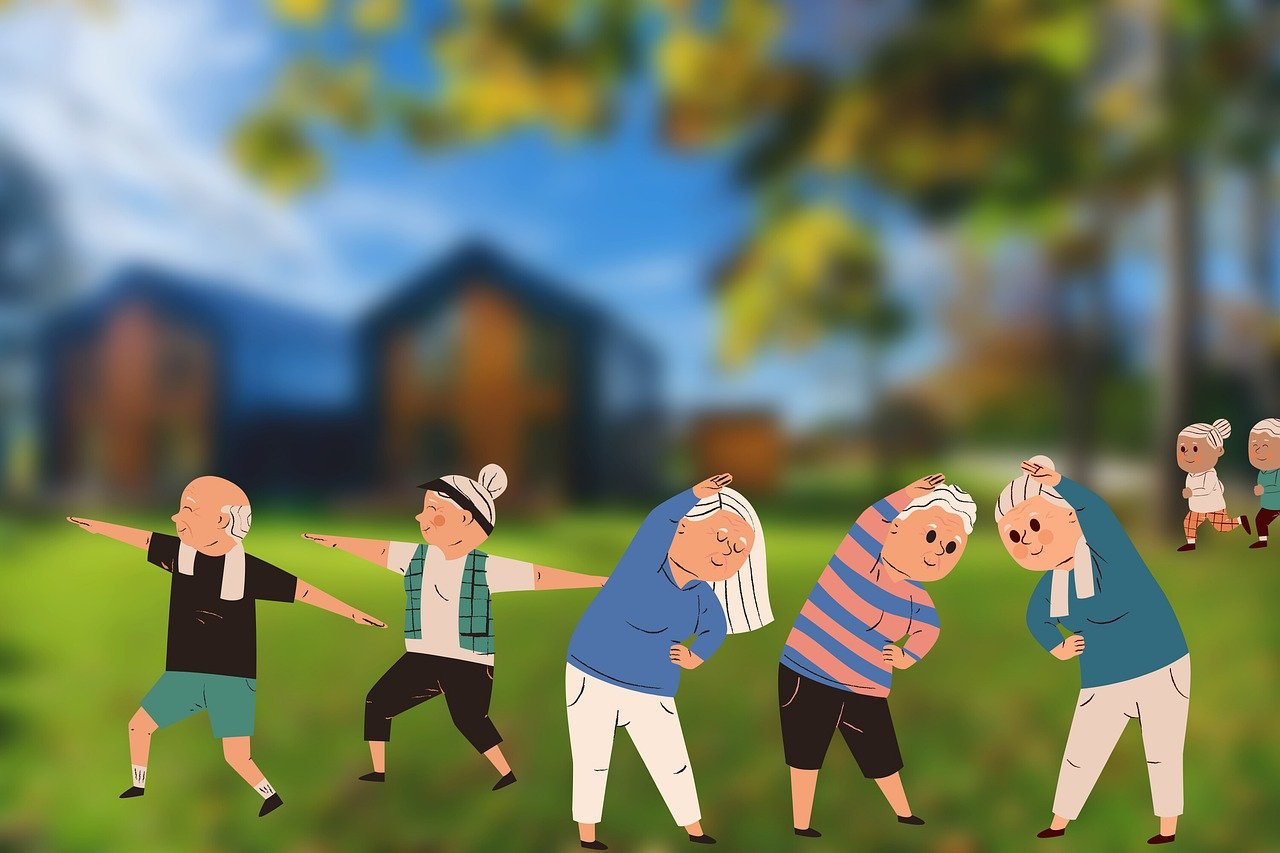

Evaluating Resources Needed for Senior Fitness Program Success
To ensure the success of fitness programs for seniors, adequate funding and resources are crucial. These components guarantee that programs can run effectively, catering to the specific needs of older adults. Identifying the necessary resources typically starts with understanding the community’s demographics, preferences, and health requirements. By forecasting these needs, program planners can allocate their budgets appropriately to support various activities such as aerobics, yoga, and strength training. Additionally, securing funding can involve applying to government grants, local businesses, and non-profit organizations committed to promoting health within the senior community. Moreover, engaging with local health care facilities can provide valuable partnerships that enhance a program’s credibility and reach. For instance, collaboration with hospitals may lead to referrals and additional resources. Programs should consistently analyze existing infrastructures, such as available gyms or recreational facilities, to determine their adequacy for senior activities. Resources like trained instructors, tailored equipment, and accessible venues are vital. The goal is to foster an inviting and supportive environment to encourage participation among older adults.
In addition to funding, identifying the specific needs and preferences of seniors is essential when evaluating fitness program resources. Gathering input directly from potential participants can significantly enhance the program’s design. Surveys, focus groups, and community outreach events can help collect valuable feedback regarding preferred activities, class times, and potential barriers to participation. Understanding these factors allows program developers to customize fitness offerings aligning with the interests of older adults, ultimately leading to higher engagement levels. Moreover, addressing accessibility is crucial. The venues chosen for fitness programs must be easily navigable, equipped with necessary accommodations for mobility devices, and offer safe spaces for physical activity. Furthermore, transportation options should be evaluated, as reliable transport can make a significant difference in attendance rates. Partnerships with local transportation services can improve access for seniors who may face challenges reaching fitness venues. Various resources can also guide program organizers in understanding best practices for promoting physical activity among seniors. Engaging health professionals in the planning stages can help create evidence-based strategies and safety procedures. By prioritizing the community’s needs, fitness programs can become more successful and impactful.
Utilizing Local Funding Opportunities
Exploring local funding opportunities can provide valuable support for fitness programs targeting seniors. Many municipalities have access to government grants specifically designed to enhance community health and wellness. These funds can help cover expenses related to instructor salaries, equipment purchases, and the accessibility of facilities. Engaging with local health departments and advocacy organizations can lead to collaborative funding applications, increasing the chances of success. In addition, community fundraising events or initiatives can be particularly effective. They not only raise money but also foster community spirit and support for senior fitness programming. Local business sponsorships can play a pivotal role in funding as well. Businesses can contribute both financially and in-kind, providing equipment discounts or promotional support. Additionally, seeking partnerships with universities and colleges can yield innovative funding solutions. Many educational institutions engage in community service projects that include offering scholarships for senior fitness classes or providing student interns for program support. Thus, leveraging existing local resources through collaborative relationships can result in stronger, well-resourced fitness programs tailored for older adults, ensuring their successful implementation and sustainability.
Selecting and training qualified instructors represents a crucial resource central to the success of senior fitness programs. Instructors should possess experience and knowledge concerning aging populations, ensuring they can cater effectively to participants’ varying fitness levels and health conditions. Programs may consider requiring certifications in senior fitness, first aid, and CPR to maintain a high standard of health and safety. Ongoing professional development should also be emphasized; providing instructors with access to workshops and continuing education opportunities can help keep them informed on best practices and emerging trends in senior fitness. Additionally, programs should prioritize instructor-to-participant ratios to guarantee personalized attention, which is critical for seniors who may require additional support. Creating a mentorship system where experienced instructors guide newcomers can improve overall program quality while fostering a sense of community among staff. Moreover, recognizing and rewarding instructors for their contributions can increase job satisfaction and retention rates, ensuring experienced personnel remains with the program. A continuous focus on instructor quality helps promote engaging classes while encouraging seniors to pursue a lifelong commitment to fitness and wellness in their later years.
Promoting Community Engagement and Inclusivity
Promoting community engagement and inclusivity is vital for the success of senior fitness programs. Fostering a strong sense of community creates an inviting atmosphere that encourages participation. Programs can facilitate workshops or social gatherings designed to build relationships among participants, promoting social cohesion. Additionally, incorporating a variety of activities that appeal to diverse interests and fitness levels increases overall engagement. Regularly evaluating program offerings and adjusting based on participants’ feedback can help ensure that everyone feels included and valued. Promoting partnerships with organizations that focus on serving underrepresented or marginalized groups can enhance inclusivity within senior fitness programs. For instance, outreach initiatives targeting minorities or individuals with disabilities can draw more participants. Providing options to accommodate diverse needs, such as language interpretation or physical alterations, ensures that all seniors can participate. Incorporating family involvement in fitness events or engagement opportunities can also help build interest. When families see the benefits of increased physical activity for their elders, they may become advocates for continued participation. Ultimately, by prioritizing community engagement and inclusivity, senior fitness programs can create lasting impacts on health and wellness.
Moreover, marketing strategies tailored for seniors are essential to successfully promote fitness programs. Understanding how to effectively communicate with older adults will ensure that the right messages reach the intended audience, creating awareness and increasing participation. Strategies may include distributing information through local senior centers, placing ads in community newspapers, and leveraging social media platforms that seniors frequent, such as Facebook. Collaborating with local healthcare providers can also lead to effective marketing efforts; they can promote fitness programs during routine check-ups, demonstrating to seniors the importance of staying physically active. Effective marketing should include messaging that emphasizes the benefits of fitness tailored specifically for seniors. Potential participants should hear about how these programs can improve mobility, reduce chronic pain, enhance mental health, and foster social connections. Additionally, showcasing success stories can inspire potential participants and demonstrate positive outcomes from active engagement. Creating engaging flyers or brochures that feature testimonials from current attendees can be particularly helpful in illustrating the transformative effects of fitness programs. In this way, when older adults receive encouraging and relatable messages about fitness opportunities, they may be more motivated to get involved.
Evaluating Success and Areas for Improvement
Finally, evaluating the success of fitness programs for seniors is crucial to identify areas for improvement. Regular assessment provides insights into participant satisfaction, program attendance, and overall effectiveness in achieving desired health outcomes. Programs should implement both quantitative and qualitative evaluation methods, such as surveys and interviews with participants, to gauge their experiences and satisfaction levels. Tracking attendance figures and retention rates can also give an indicator of a program’s success in maintaining engagement over time. Additionally, setting specific benchmarks for health outcomes, such as improved mobility or weight management, can help measure a program’s impact. Gathering feedback from instructors and support staff is equally important, as they can provide valuable insight into participants’ behaviors and preferences. Furthermore, conducting evaluations not only identifies strengths but also highlights weaknesses that may require attention. This could involve adjusting class schedules, equipment used, or instructor training to improve participant experiences. Ultimately, a commitment to continuous evaluation and improvement ensures that senior fitness programs remain relevant, sustainable, and effective in meeting the diverse health needs of older adults.
In summary, securing adequate funding and resources plays a vital role in establishing successful fitness programs for seniors. Understanding community needs ensures that programs are tailored to meet specific demographic requirements while contributing to overall health and wellness. Identifying local funding opportunities, such as grants and fundraising initiatives, can provide essential financial support. Additionally, selecting qualified instructors and promoting community engagement fosters a welcoming atmosphere where seniors feel empowered to participate. Effective marketing strategies will enhance awareness and visibility, ensuring that fitness programs reach the intended audience. Finally, continuous evaluation of programs allows for necessary improvements to be made based on real-time participant feedback. Focusing on all these aspects can lead to the creation of robust, impactful fitness programs that truly enhance the quality of life for older adults, contributing to their physical, emotional, and social well-being. With thoughtful planning and execution, communities can work together to build inclusive environments that encourage lifelong movement and healthy living among seniors. Through collaboration, resources, and dedication, these fitness programs can thrive, ultimately benefiting the entire community while improving the lives of individual seniors.